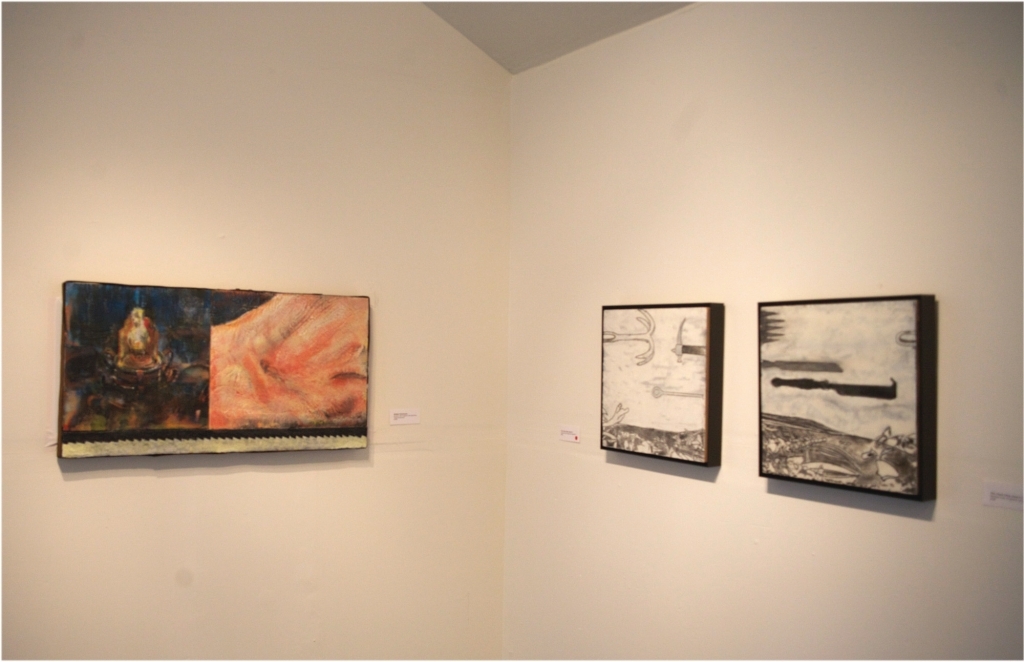
August 22 – September 14 2014
Mahon Hall, 114 Rainbow Rd, Salt Spring Island
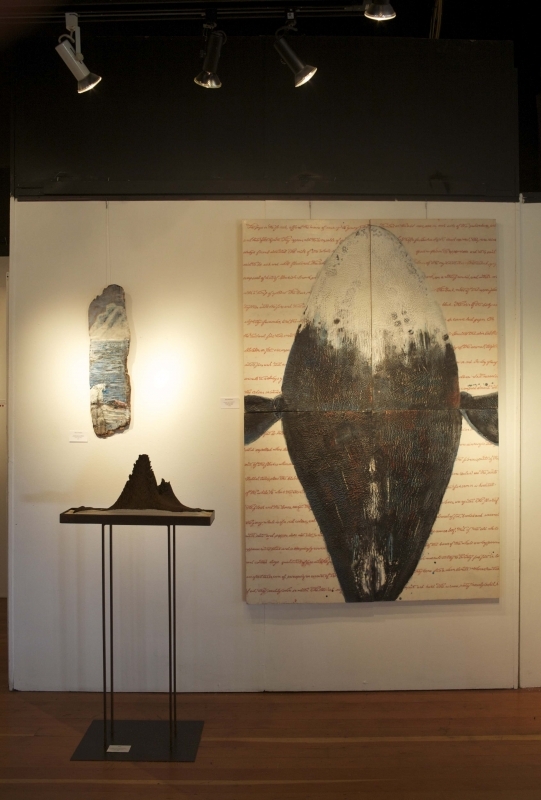
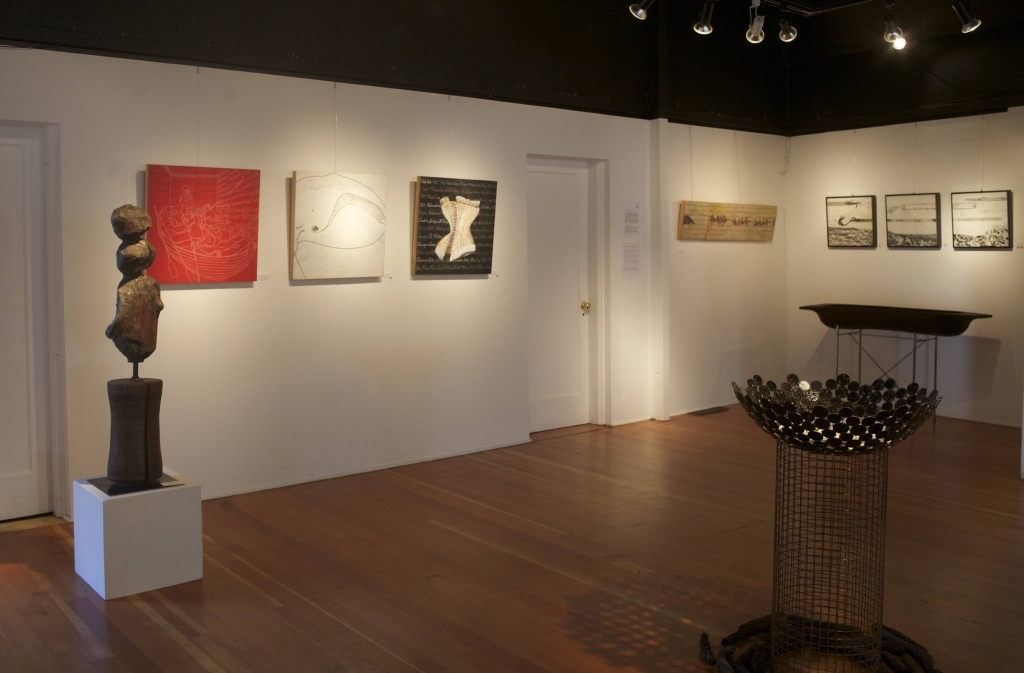
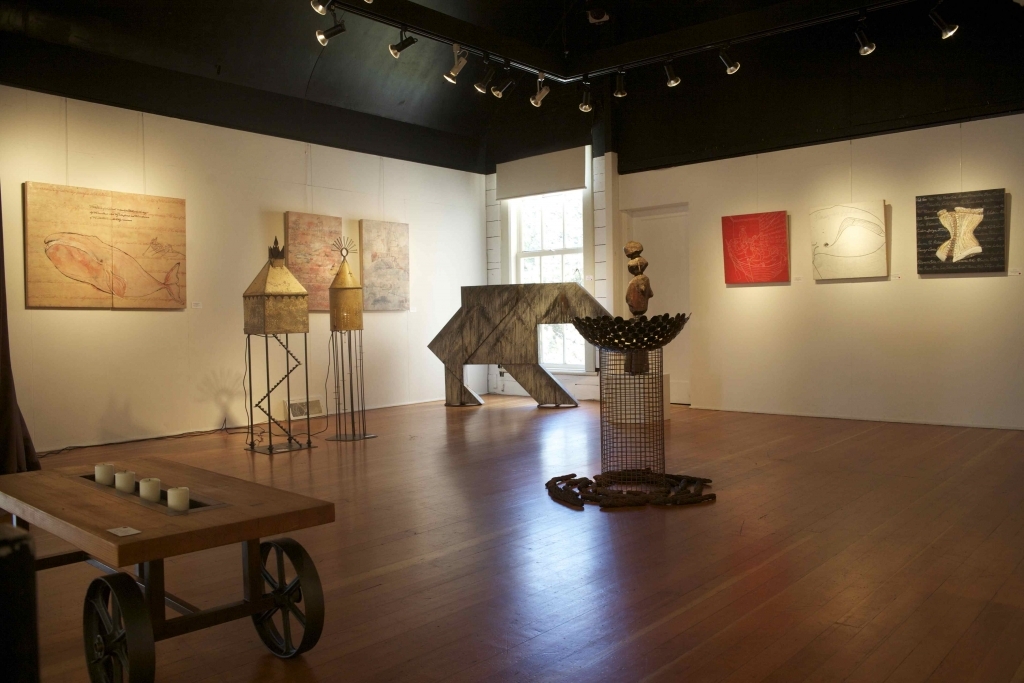
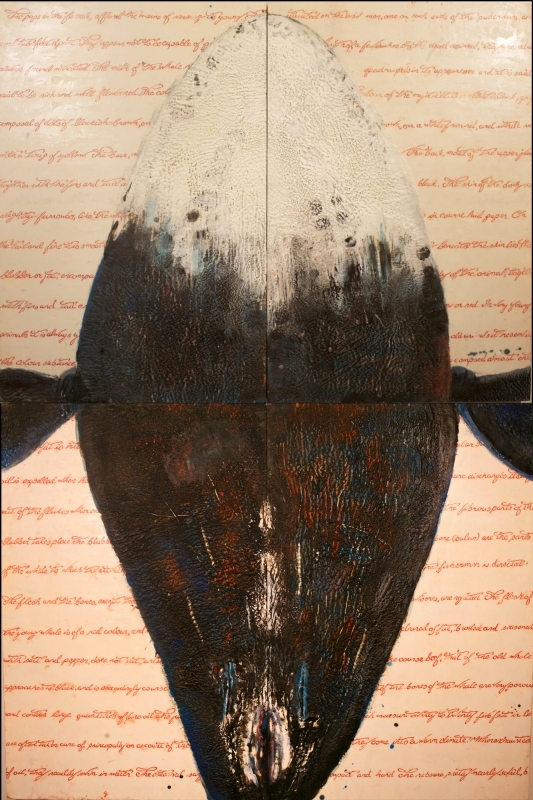
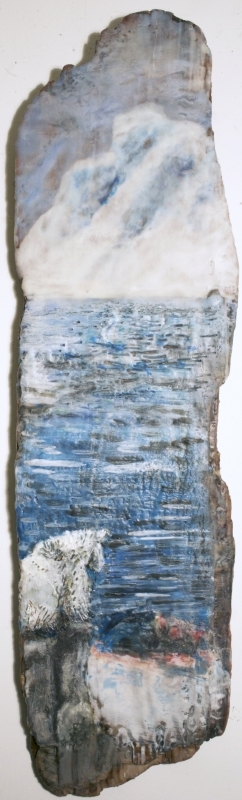
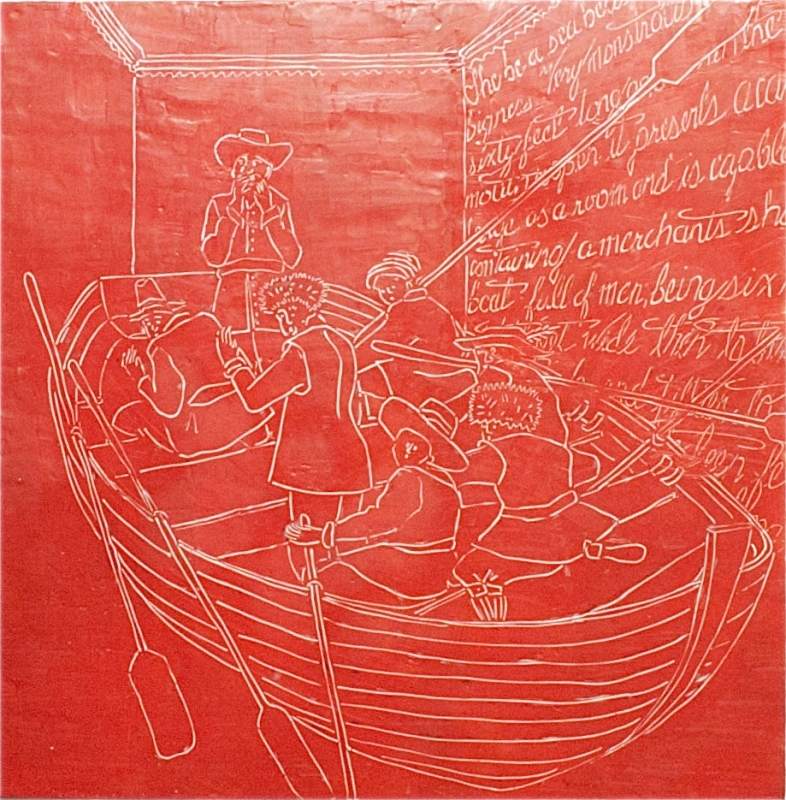
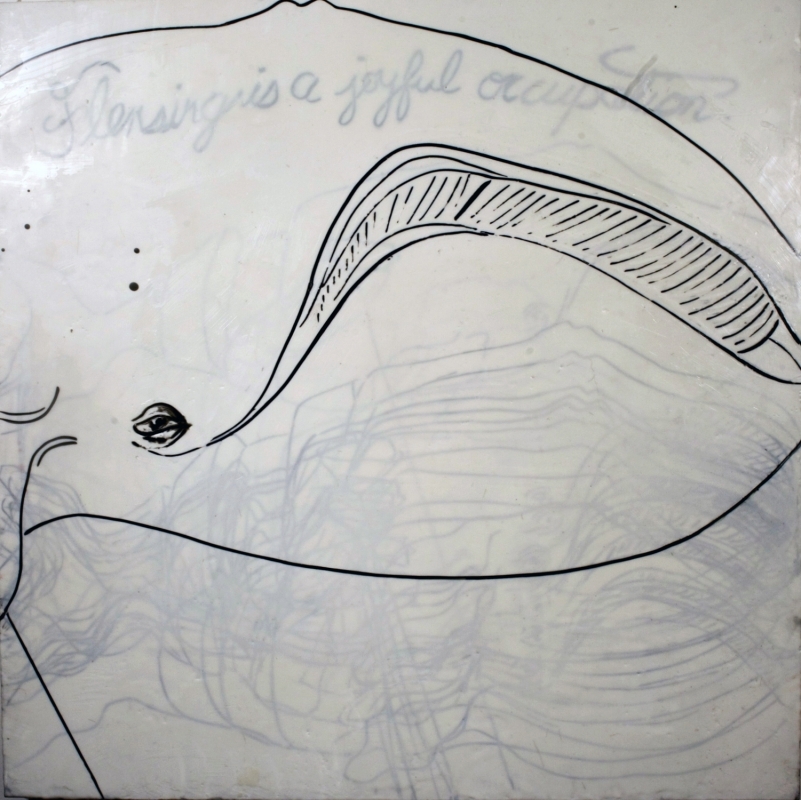
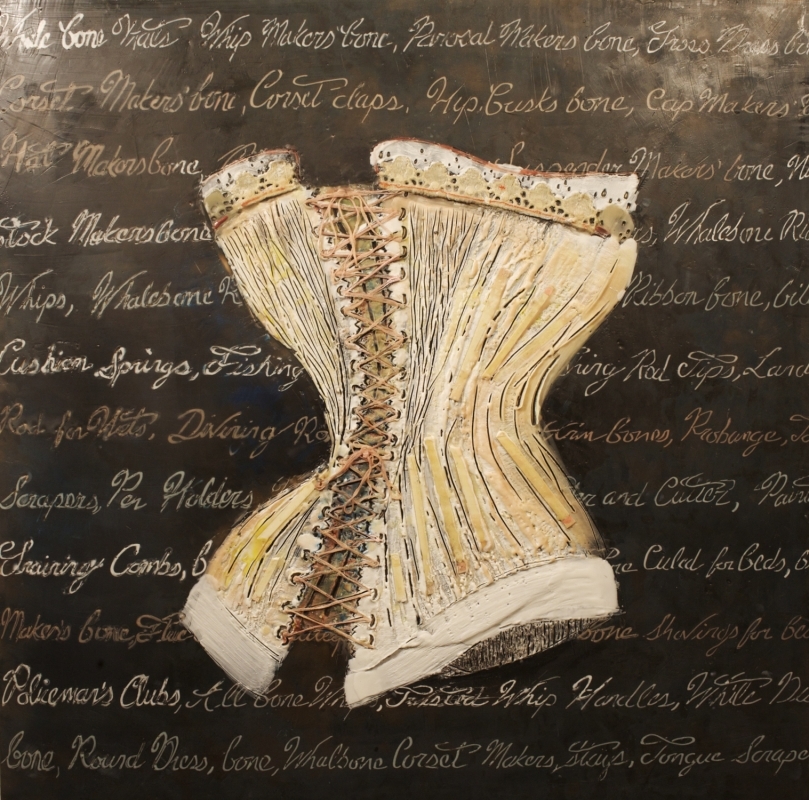
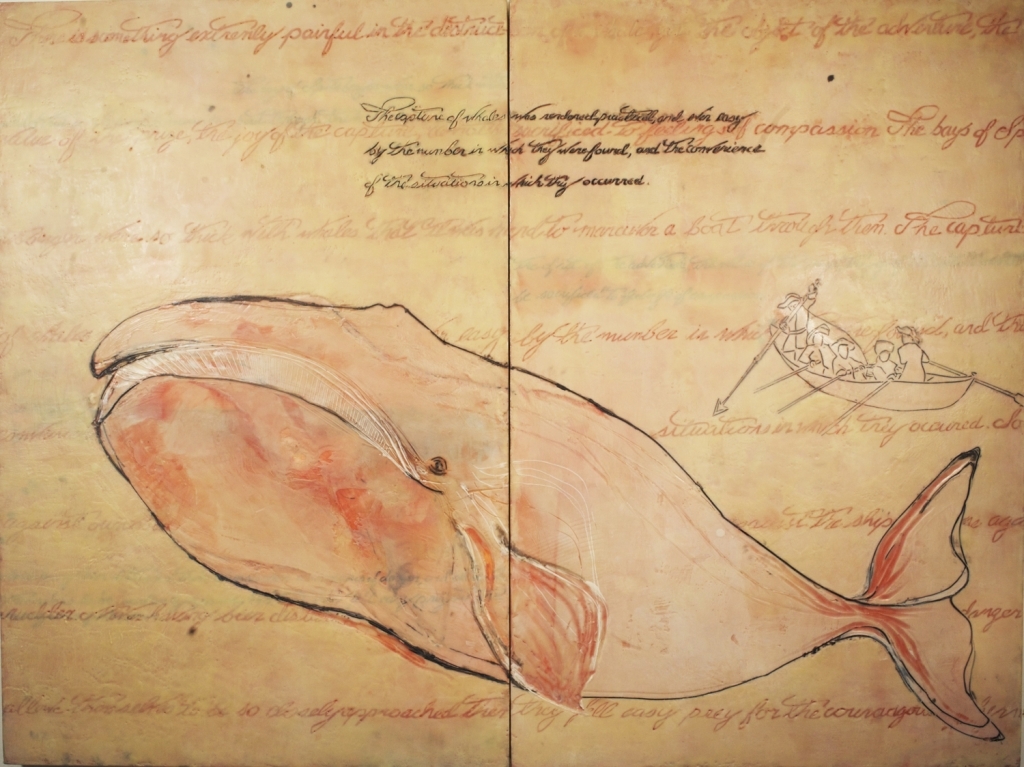
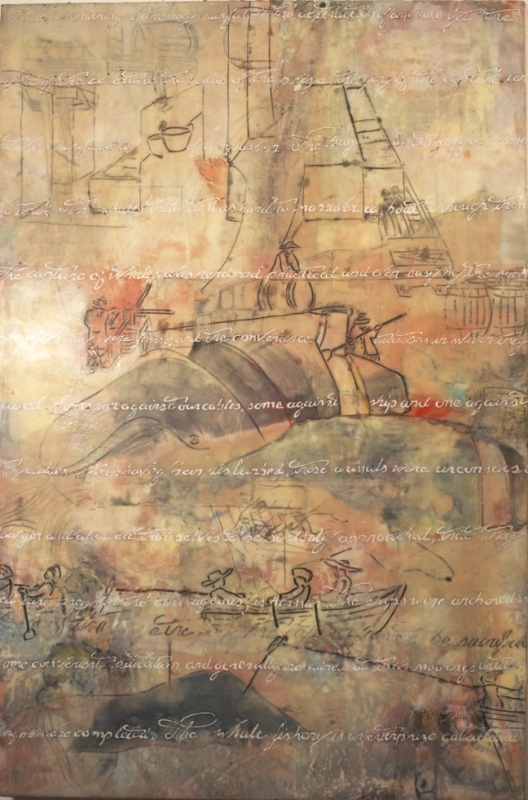
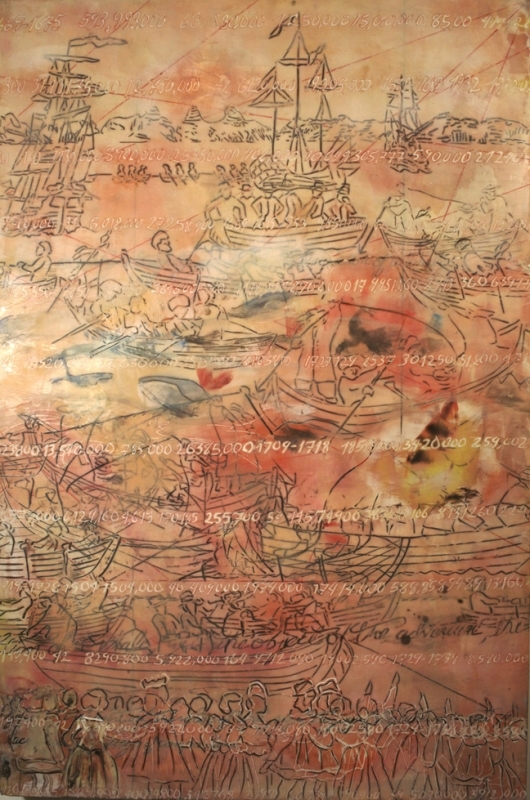
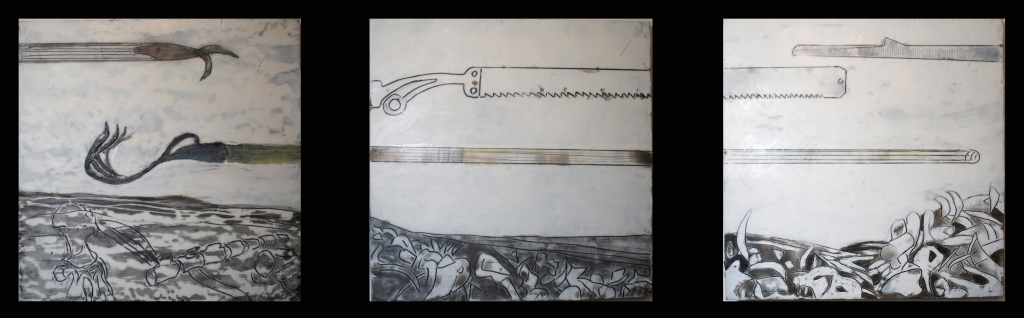
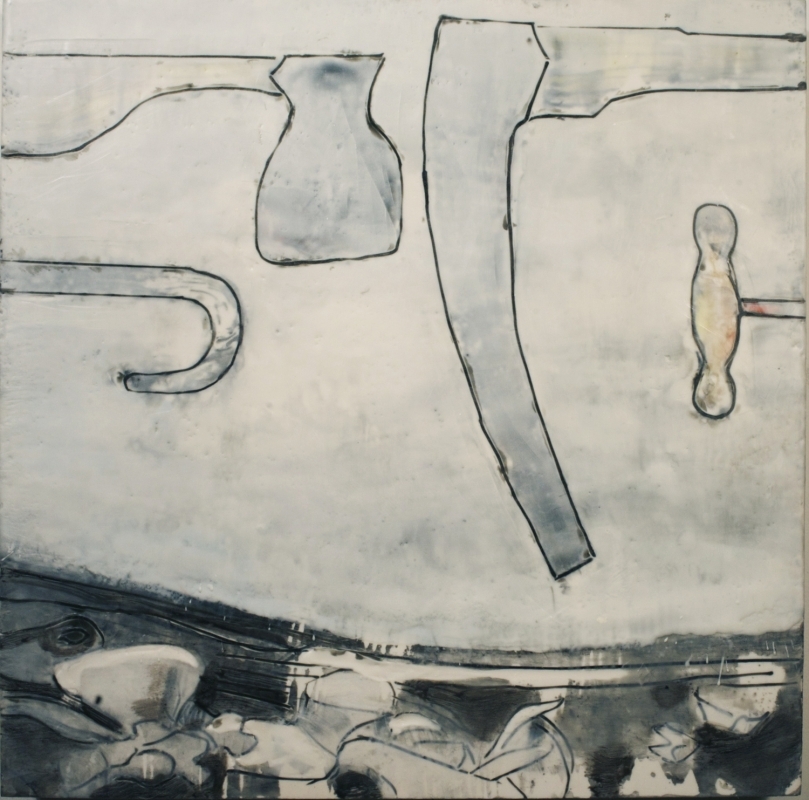
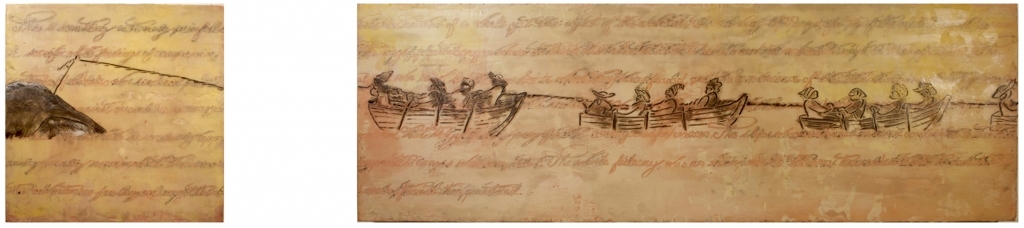
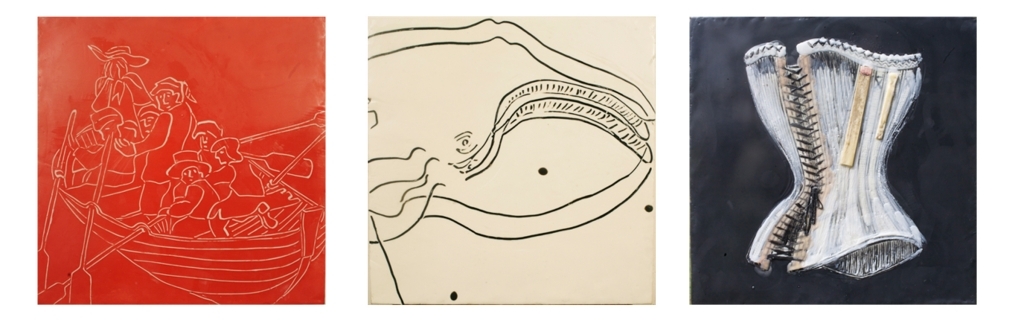
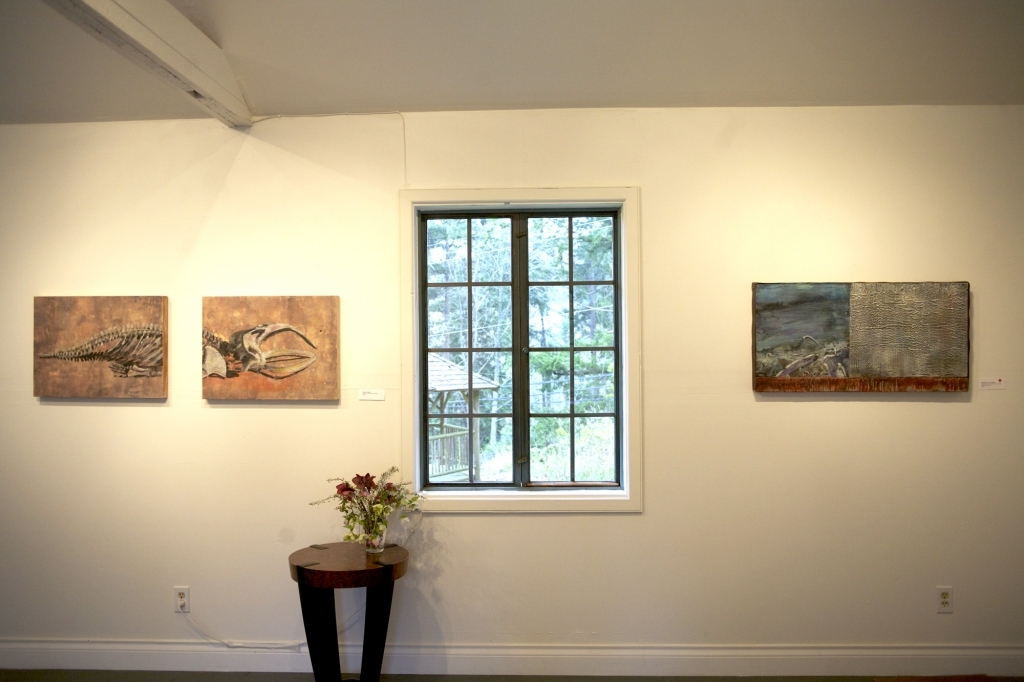
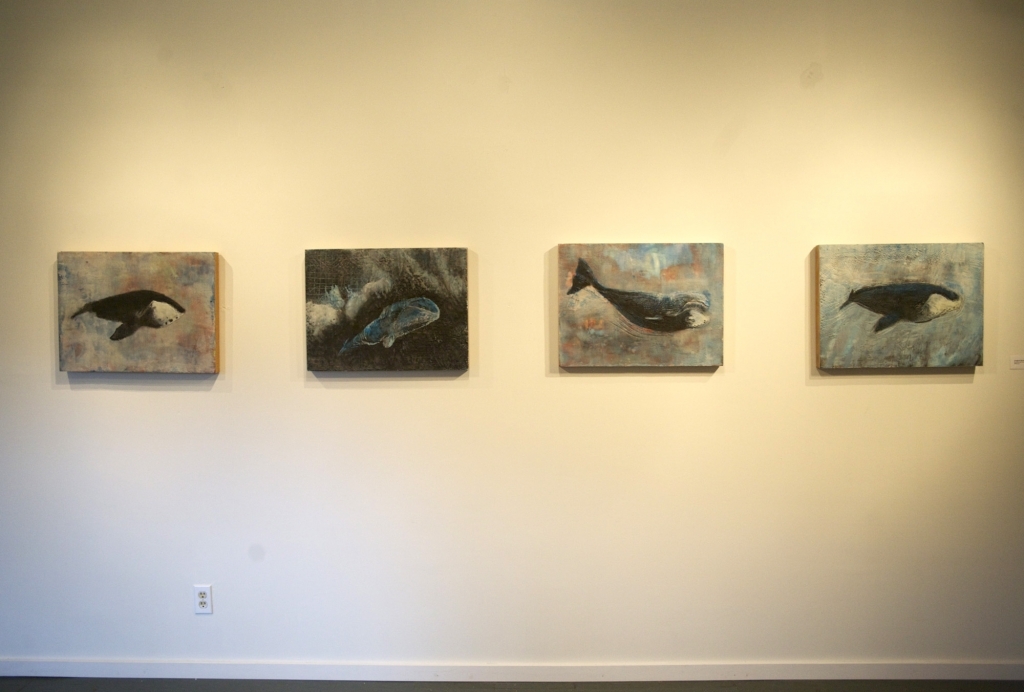
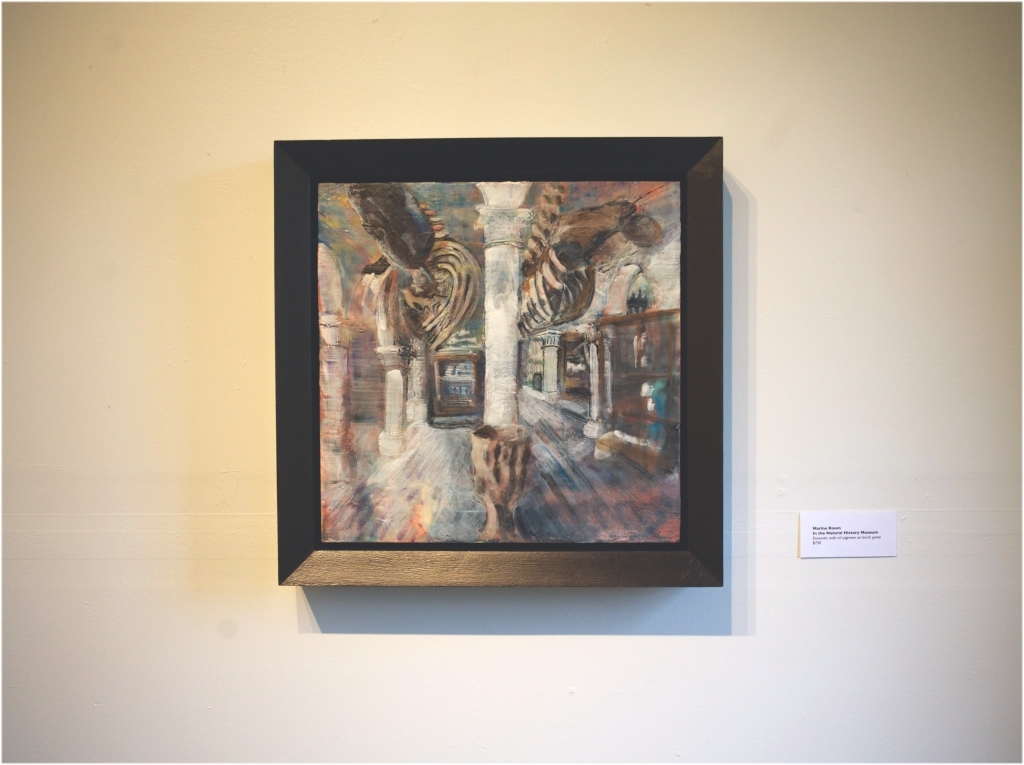
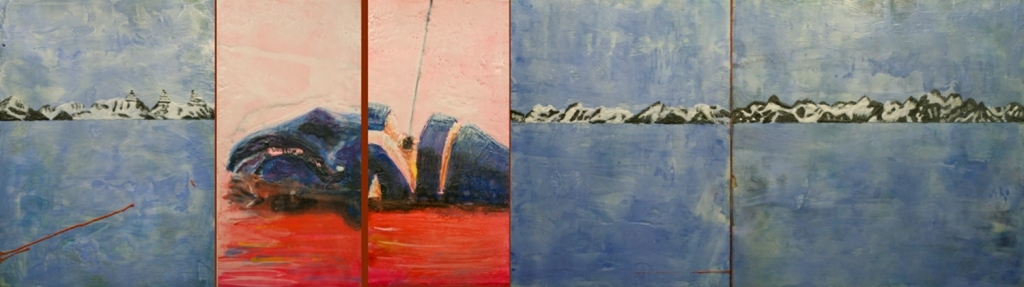
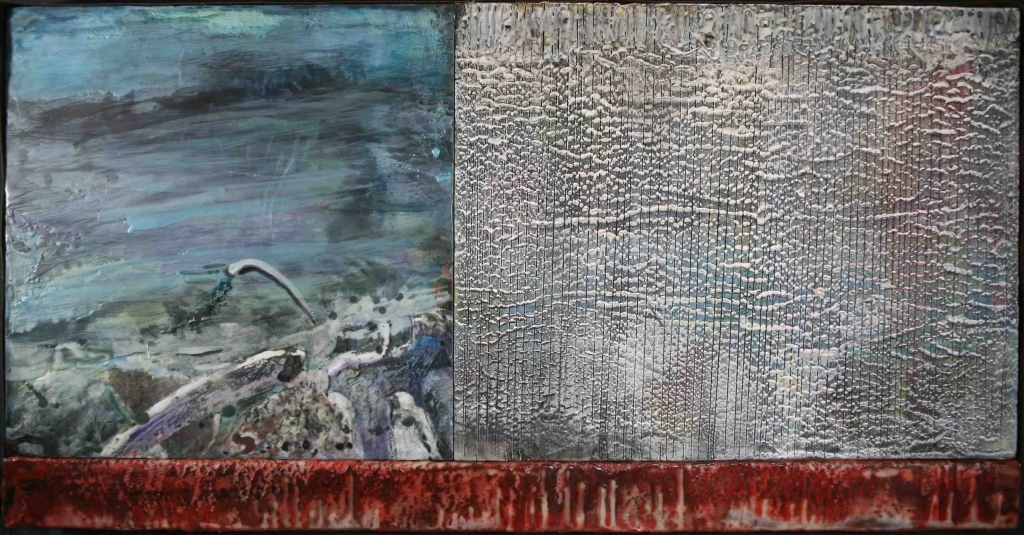
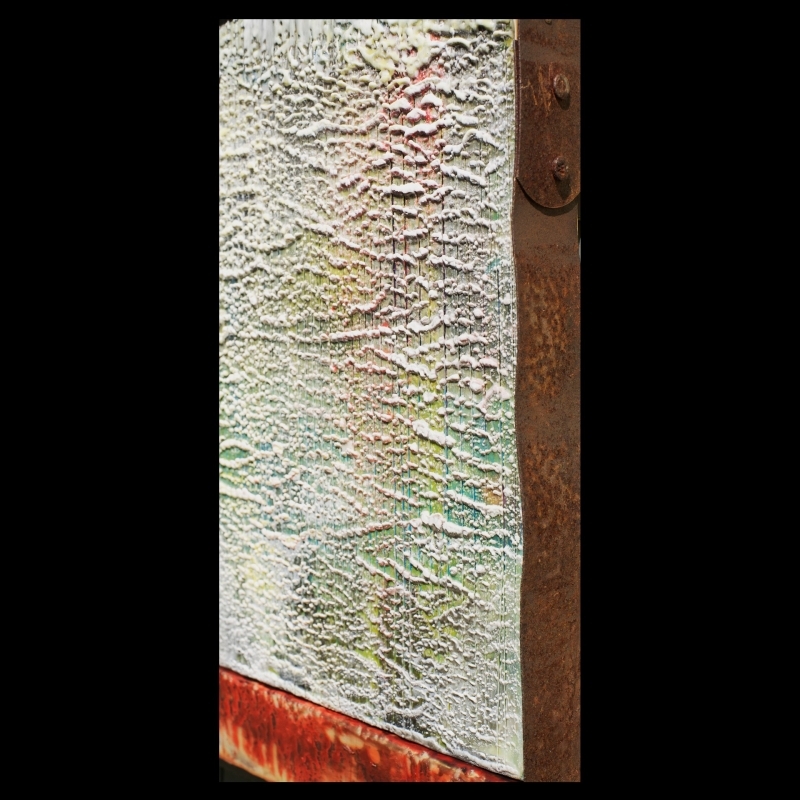
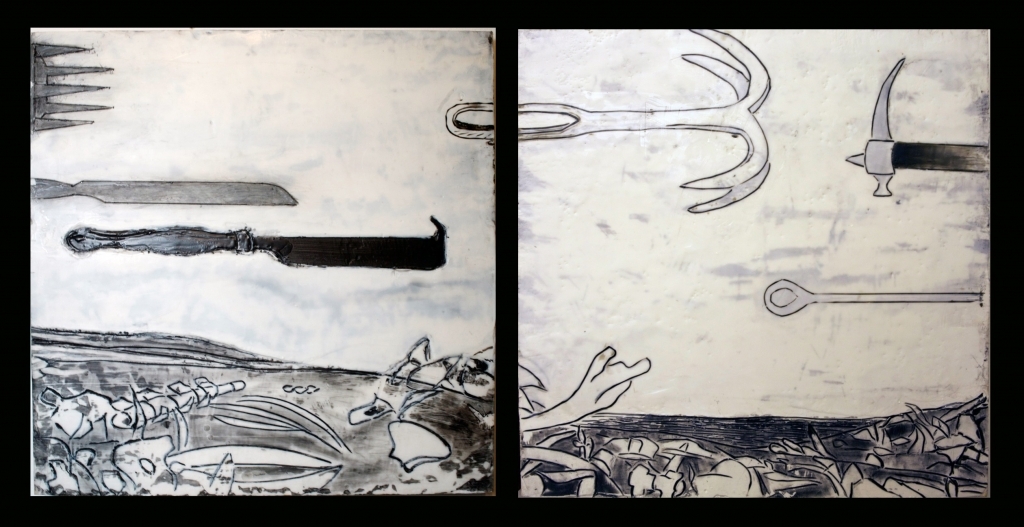
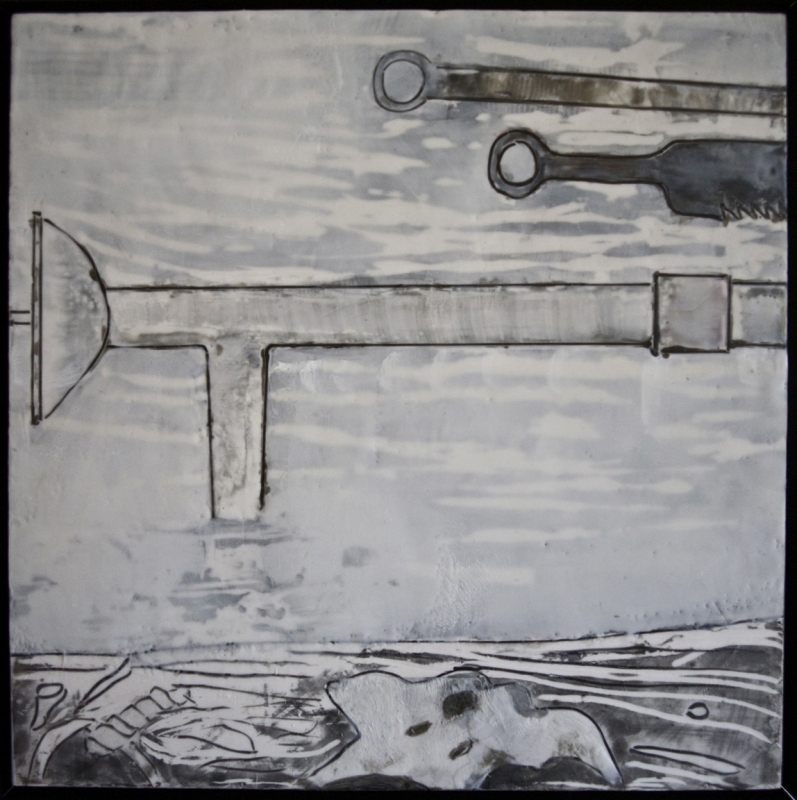
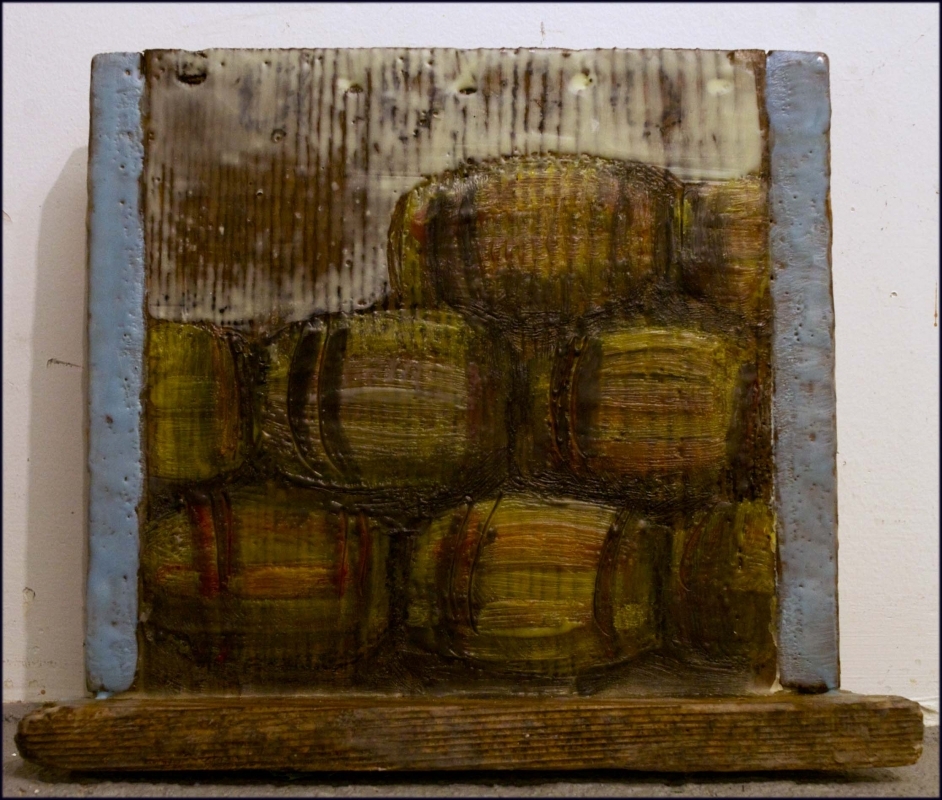
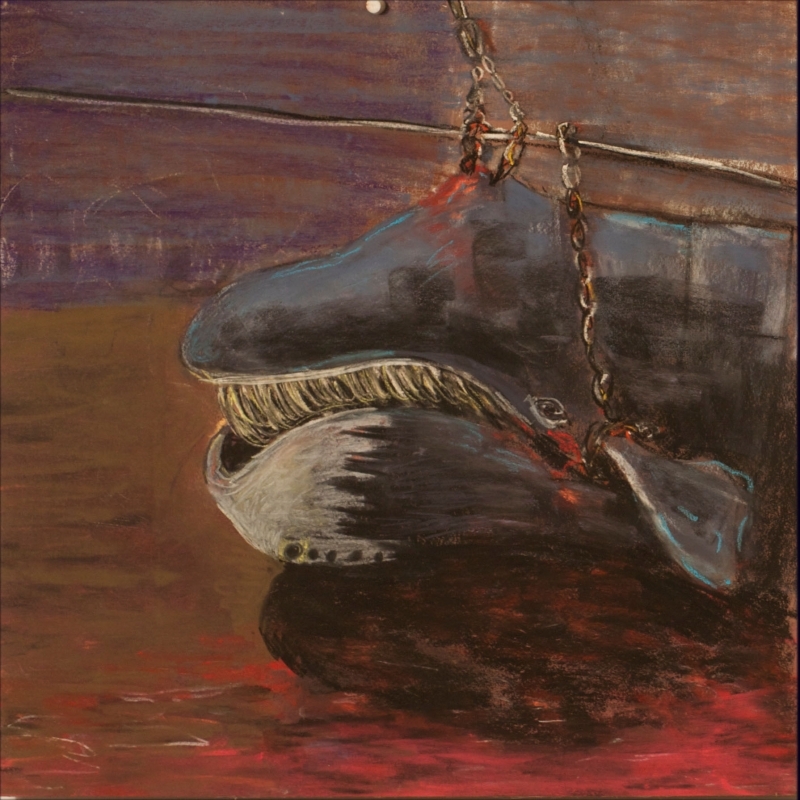
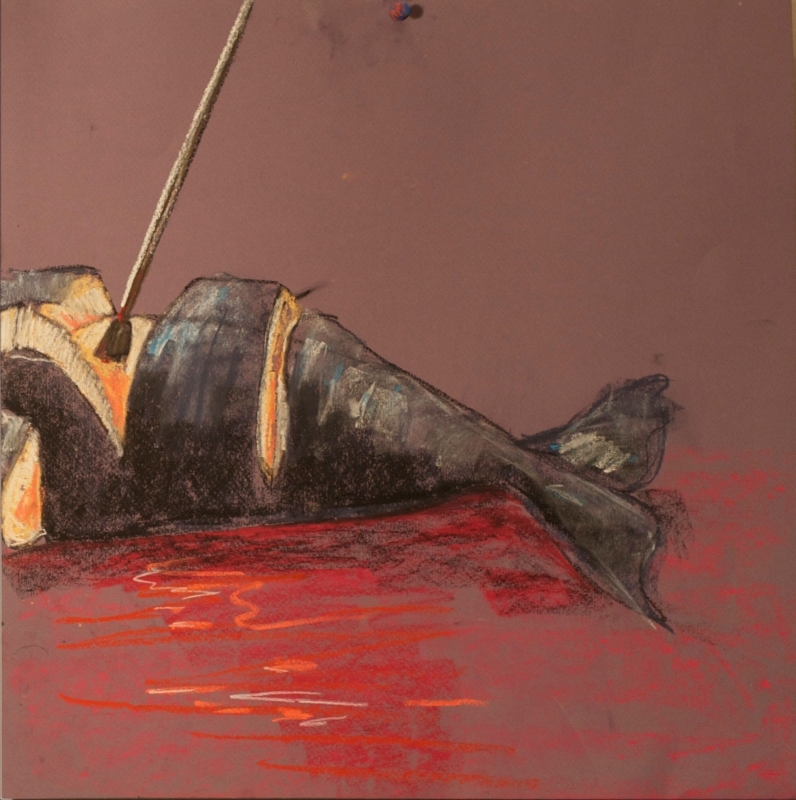
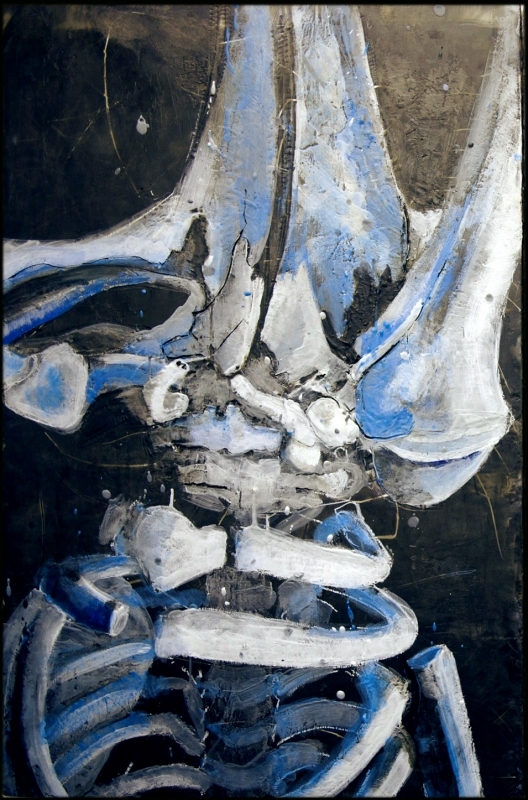
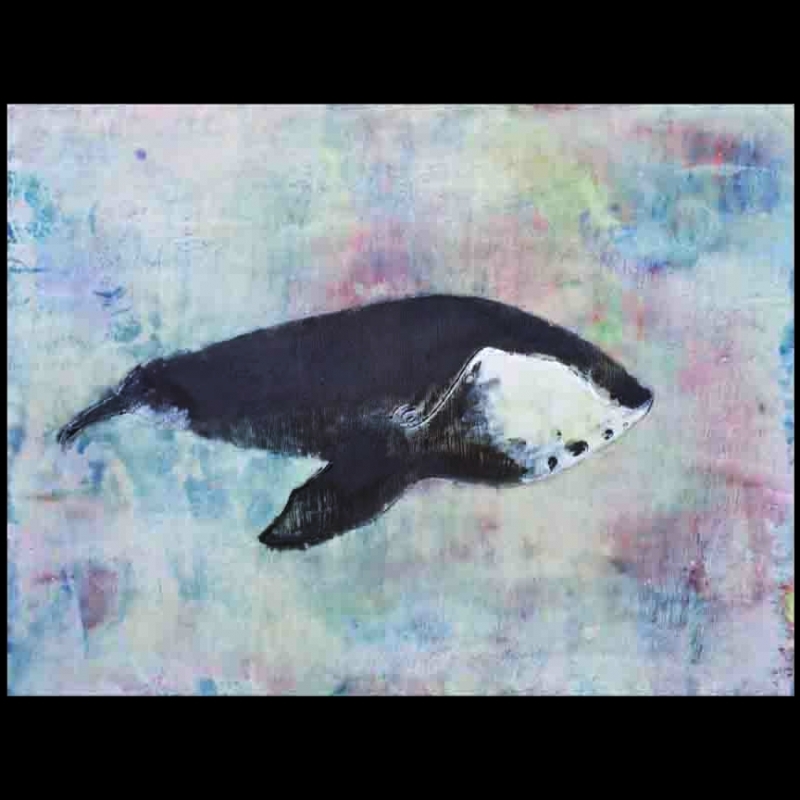
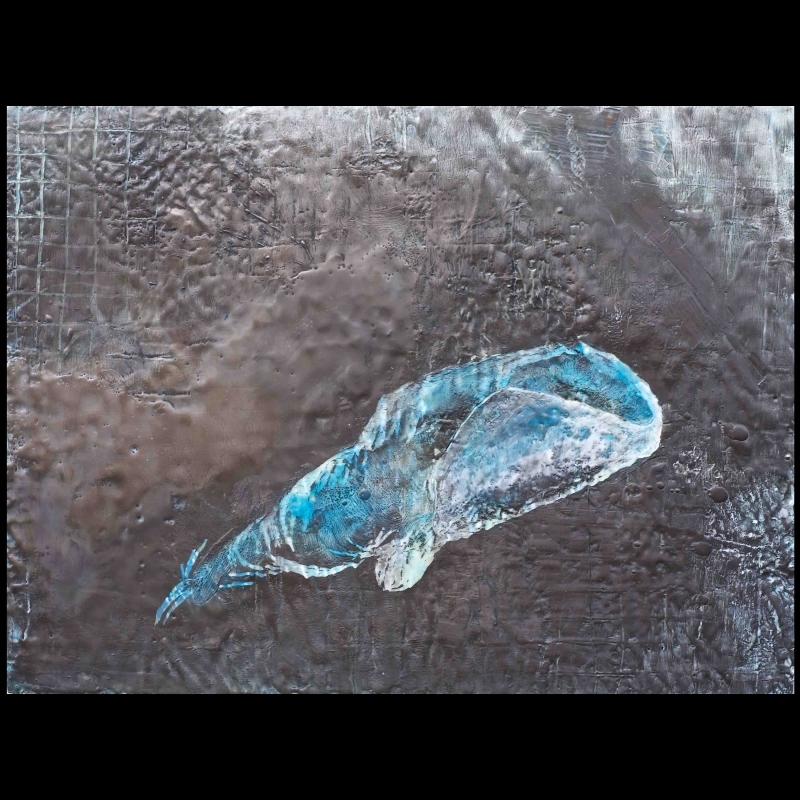
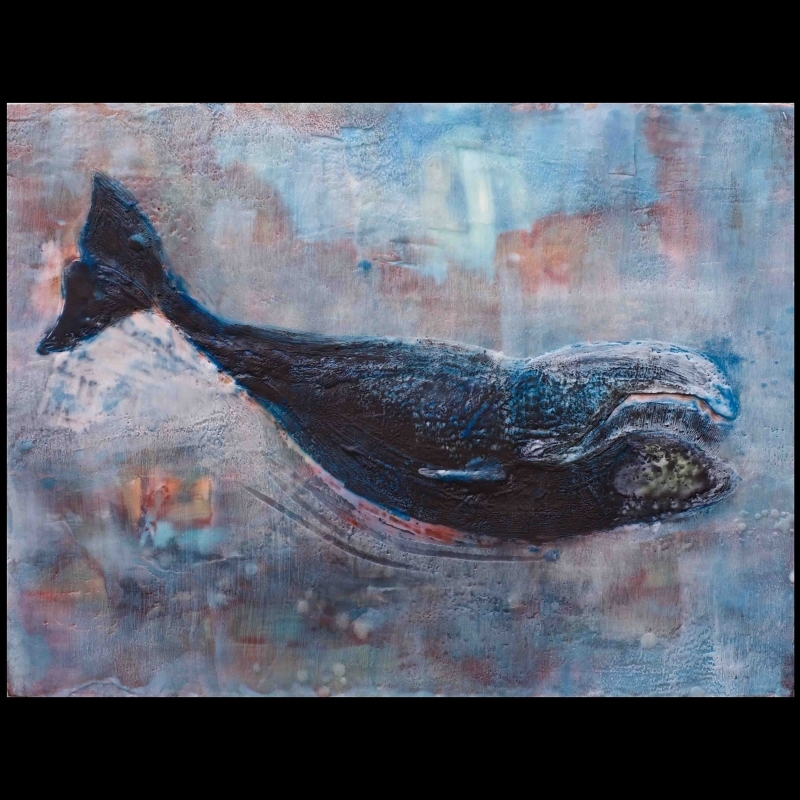
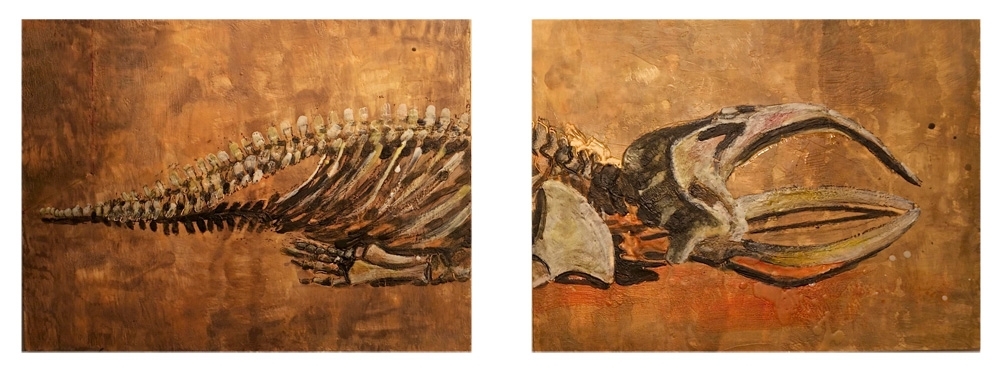
Delving into historical documents is like exploring a culture so foreign that it seems incomprehensible. Assumptions made in the past are often completely contrary to what is believed today. Yet there is always something to latch on to, some thread that brings one right back to the present. Part of my exploration of the history of whaling in the 17th and 18th centuries was to read journals by whalers and historical accounts of the industry. I also poured over whatever images I could find showing the various systems used for slaughter and processing of the whales. As the industry grew the systems become more efficient and economical. Despite the primitive tools used the sheer numbers of people involved in the whaling industry enabled them to kill enough whales to bring the bowhead species to the brink of extinction in just a short period of about 100 years. Only after the industry had developed ways to process whales at sea did European whalers move away from the islands surrounding Spitsbergen and shift to the western arctic, where they discovered a new bounty of bowhead and right whales. There was money to be made in whaling. It was grueling harsh work for the young men who manned the boats and flensed, cut up and boiled the blubber. Many lives were lost at sea. Frenzy is a word I kept thinking about while making this series. I wanted to show the repetition of a systematic slaughter of the whales and to create a feeling of hysteria and claustrophobia. At the same time I always wanted a reference to the historical material from which I was gleaning my information. Hence I chose to write cursive extracts from both journals and historical accounts I drew on, and to emulate drawings of the period to give a sense of time and place. I chose a pink and brown background hue reminiscent of old paper documents, whale blubber and the flesh under the skin. The translucence of the encaustic medium enables me to create layers of both reveled and partially hidden images that act like visual cues to the almost forgotten threads of our past.