Categories
Encaustic Gallery

Fragments; New Work

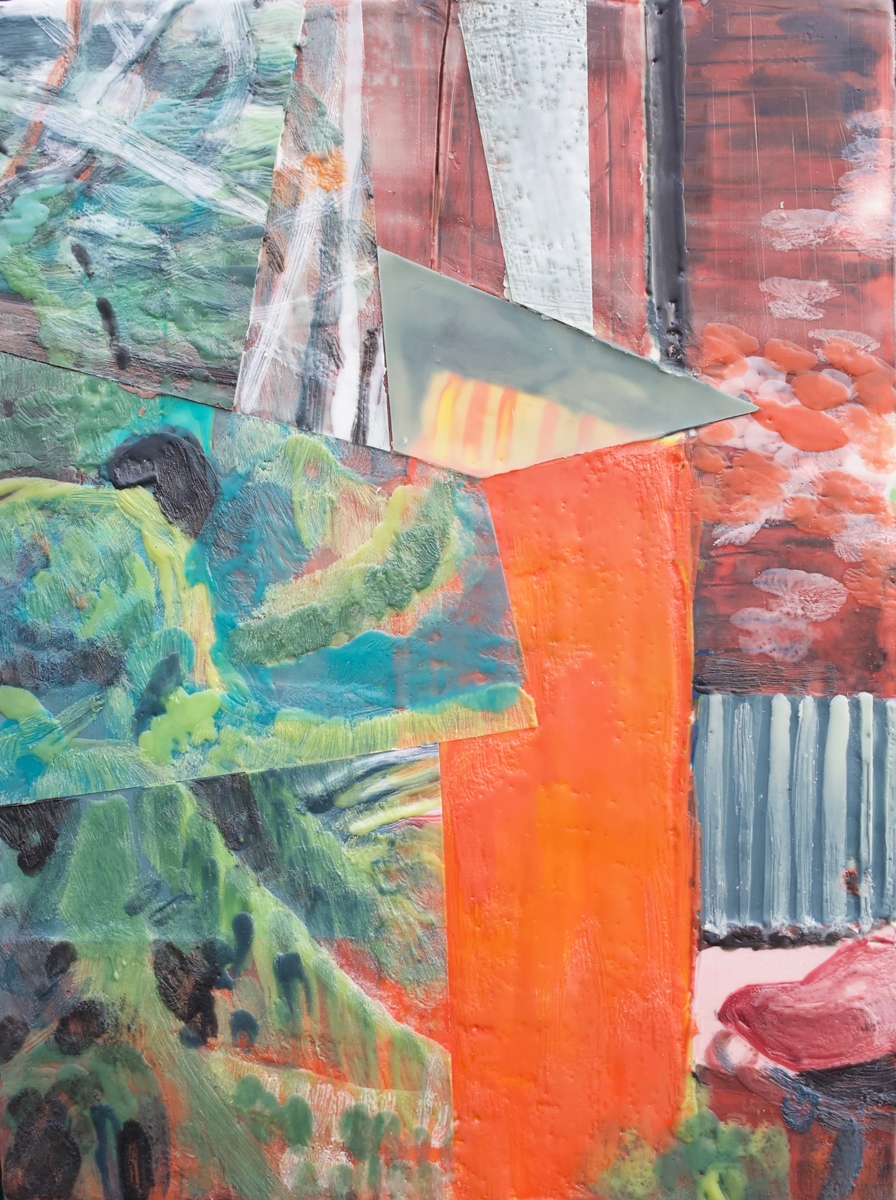
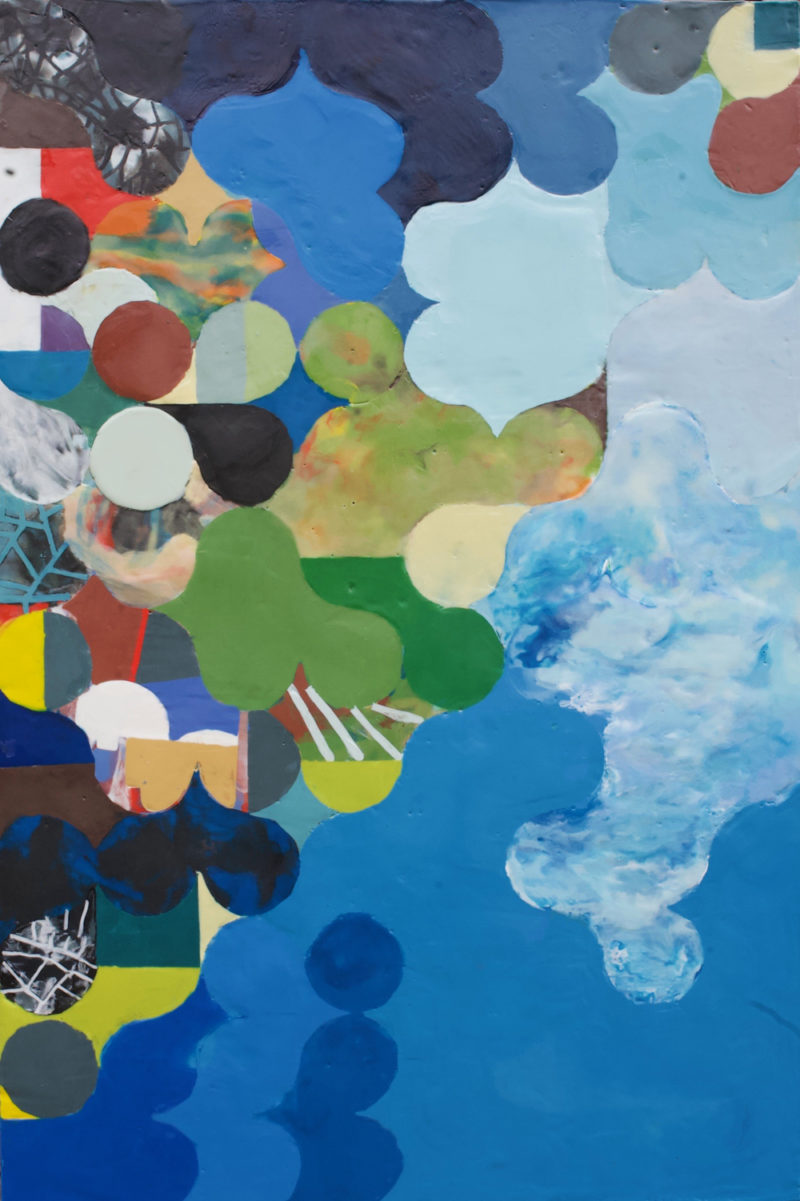
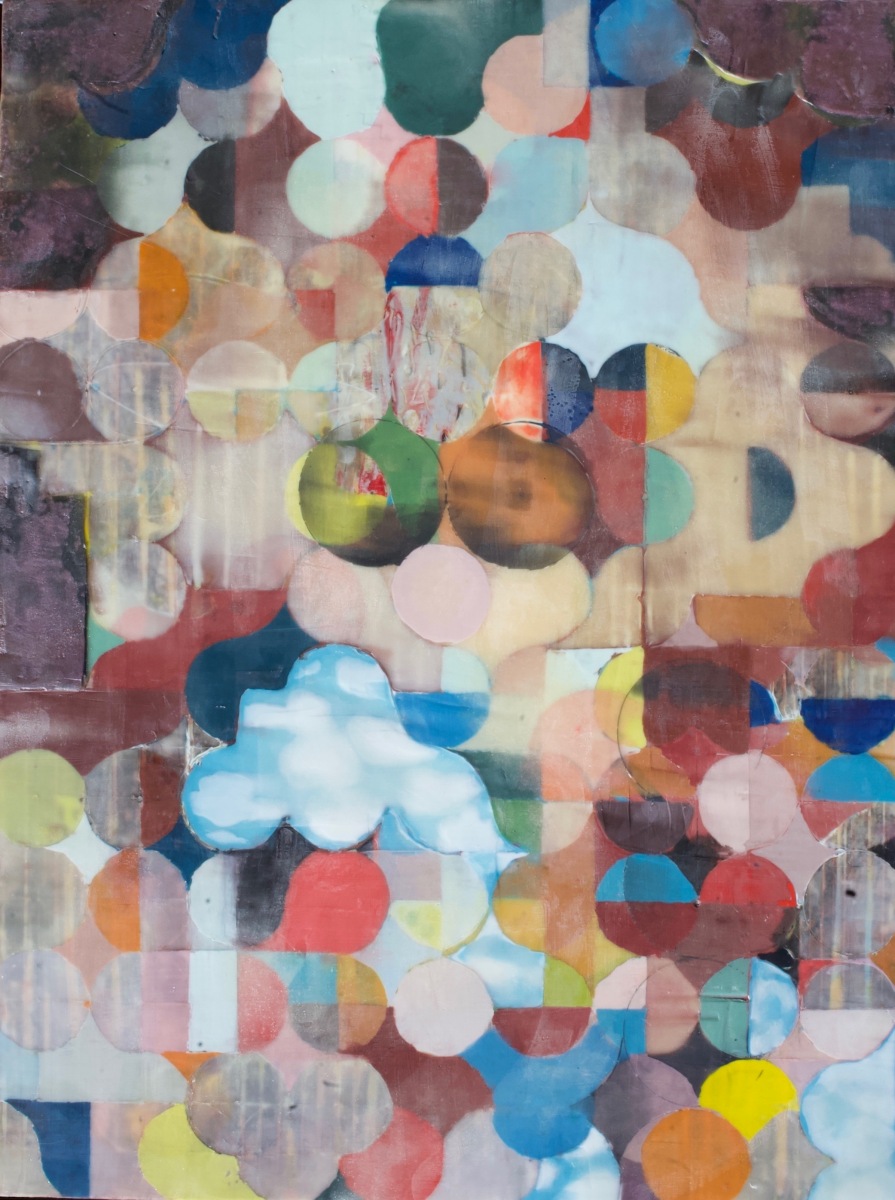
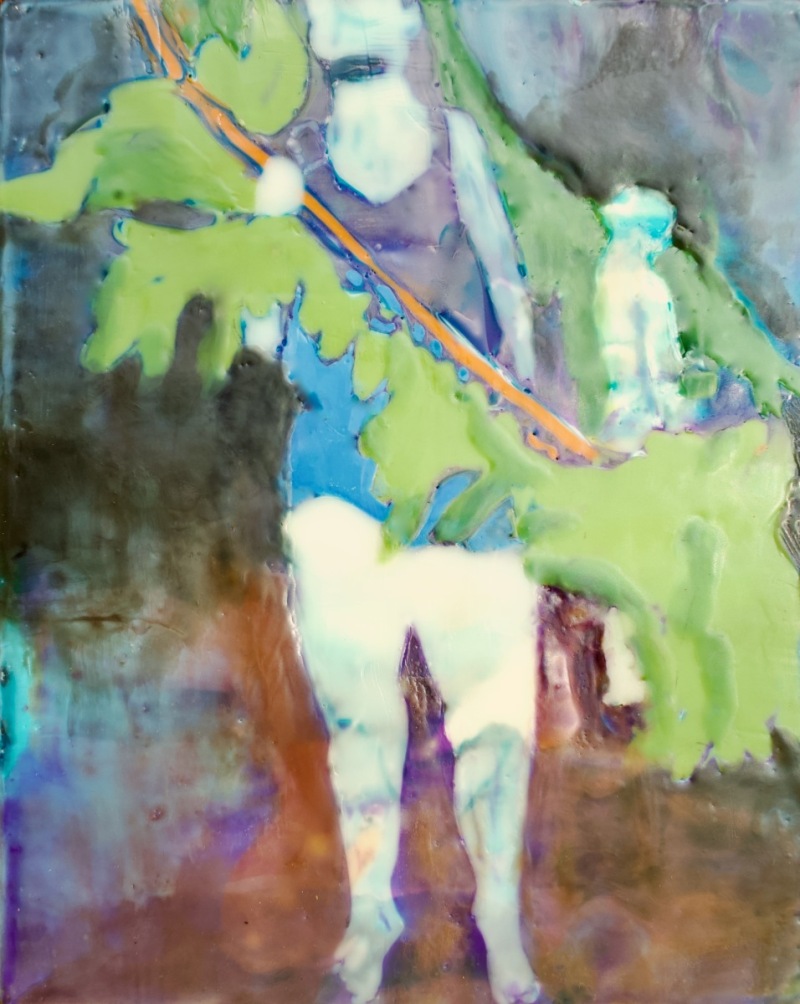
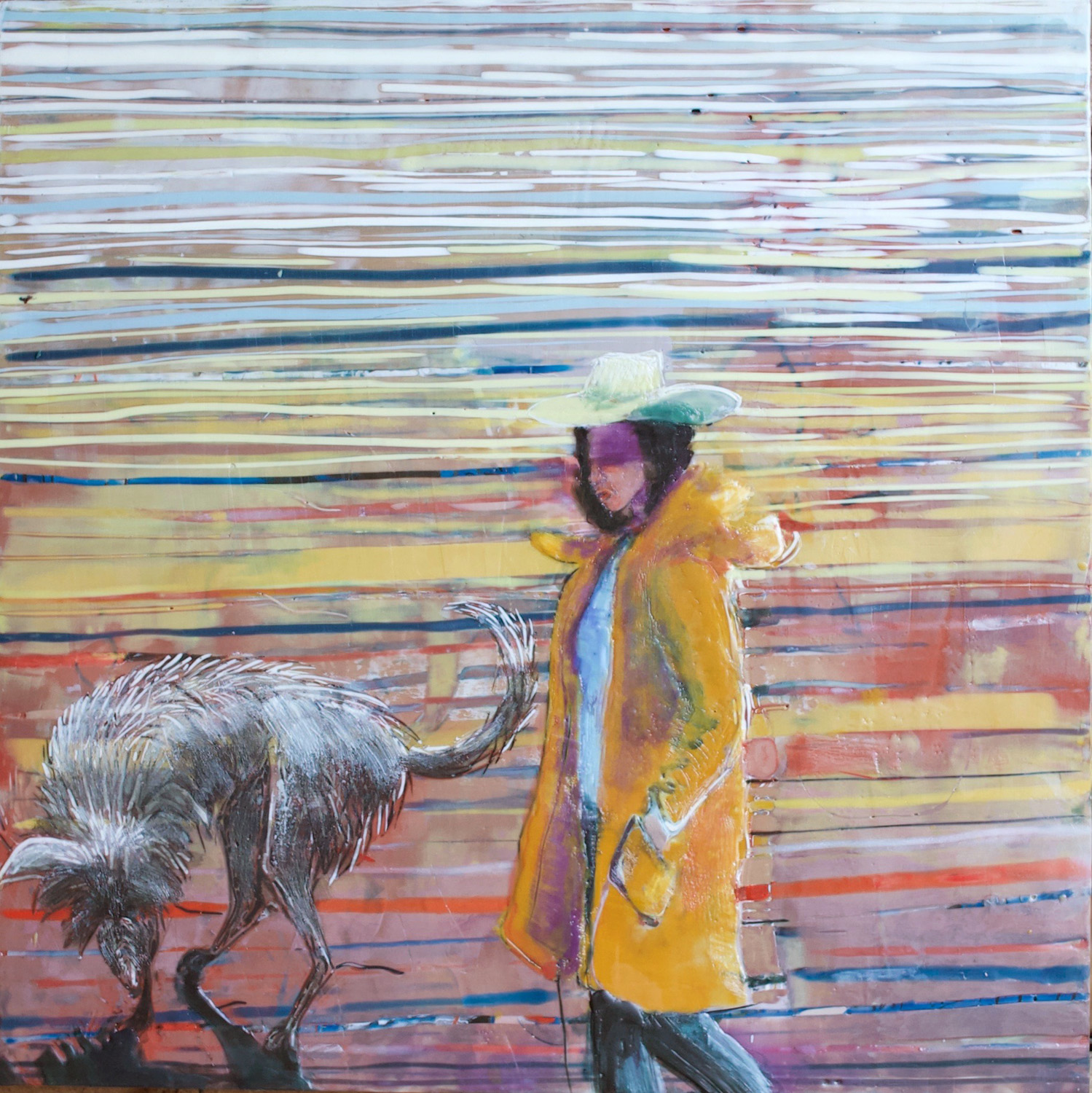
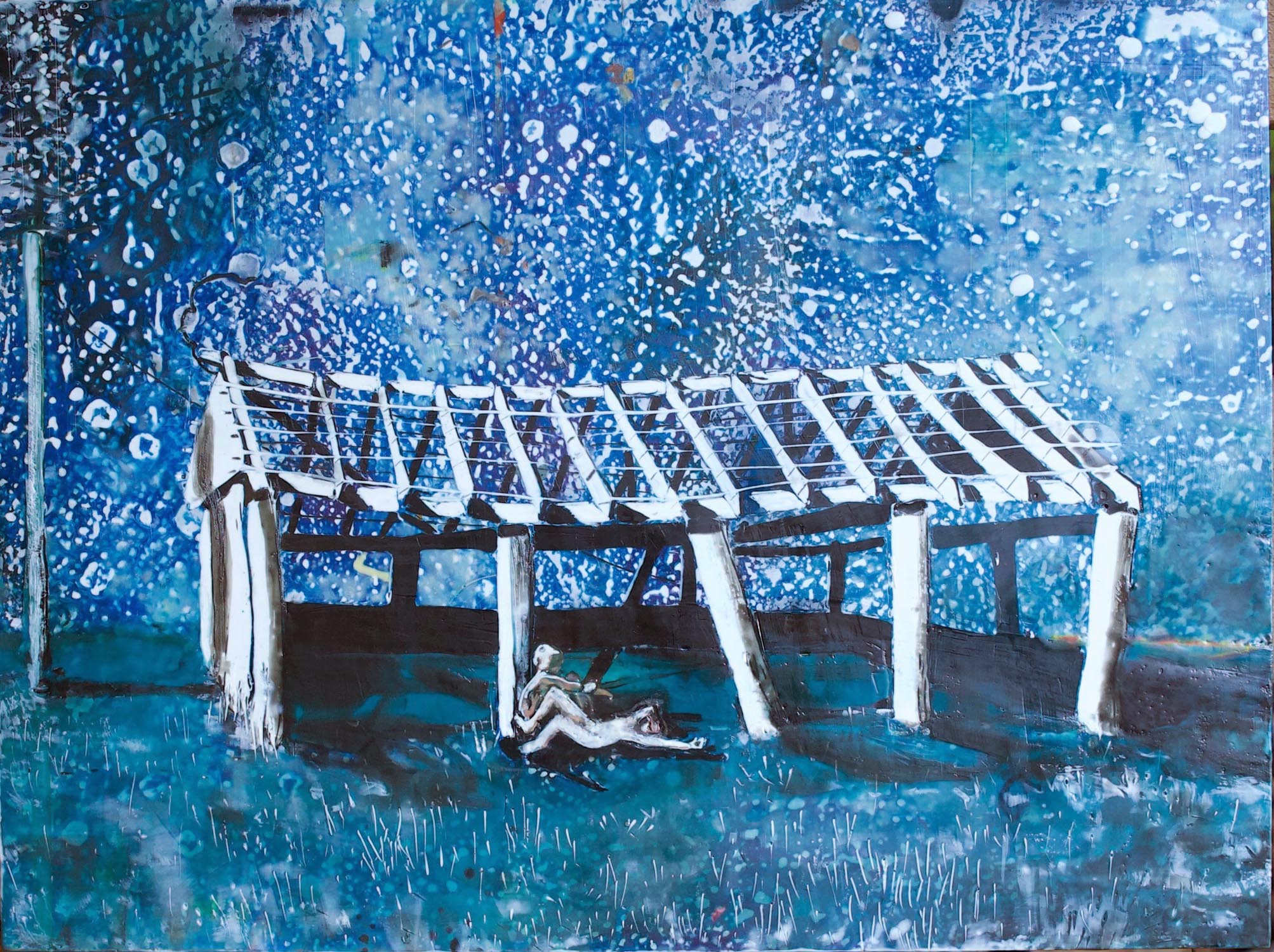
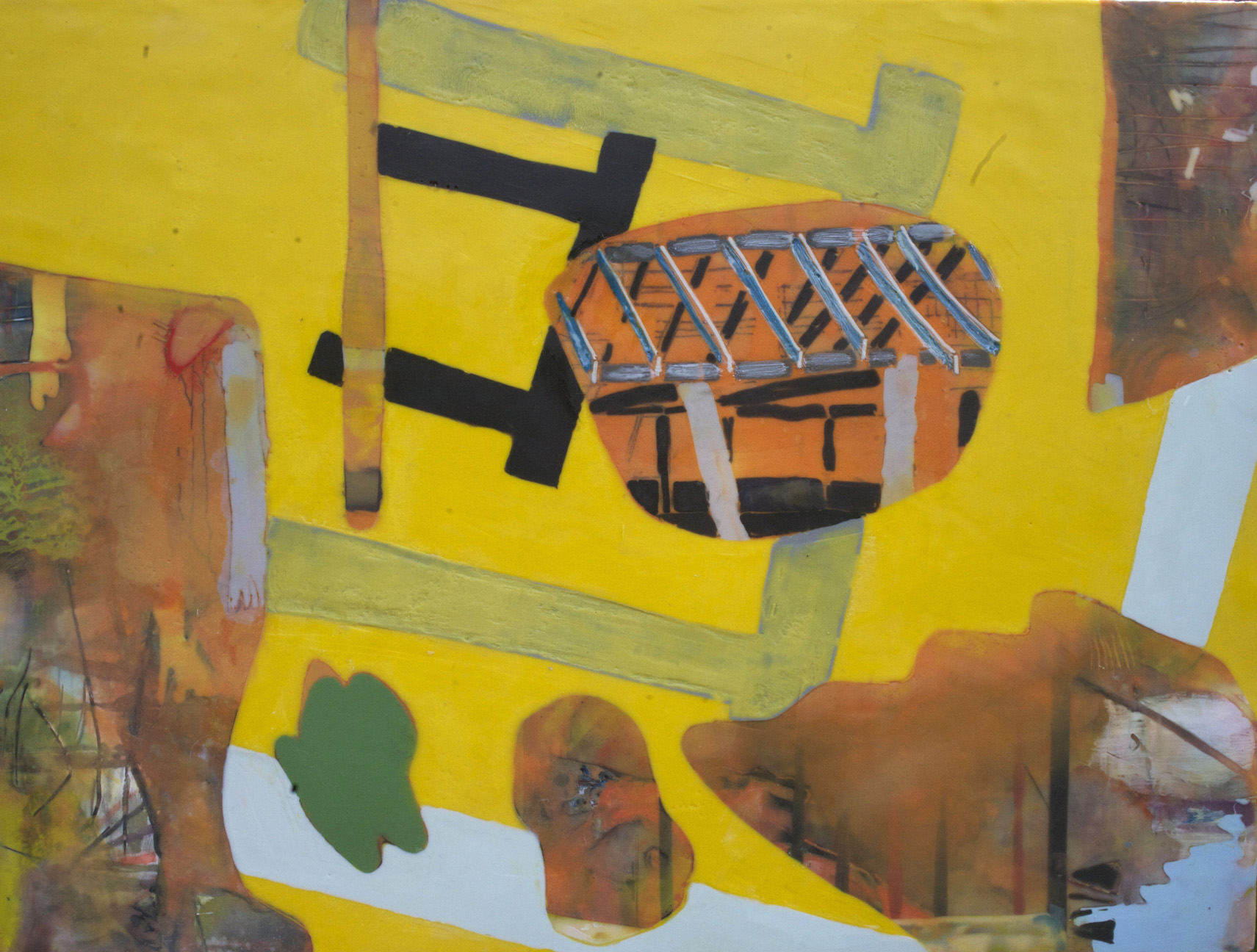
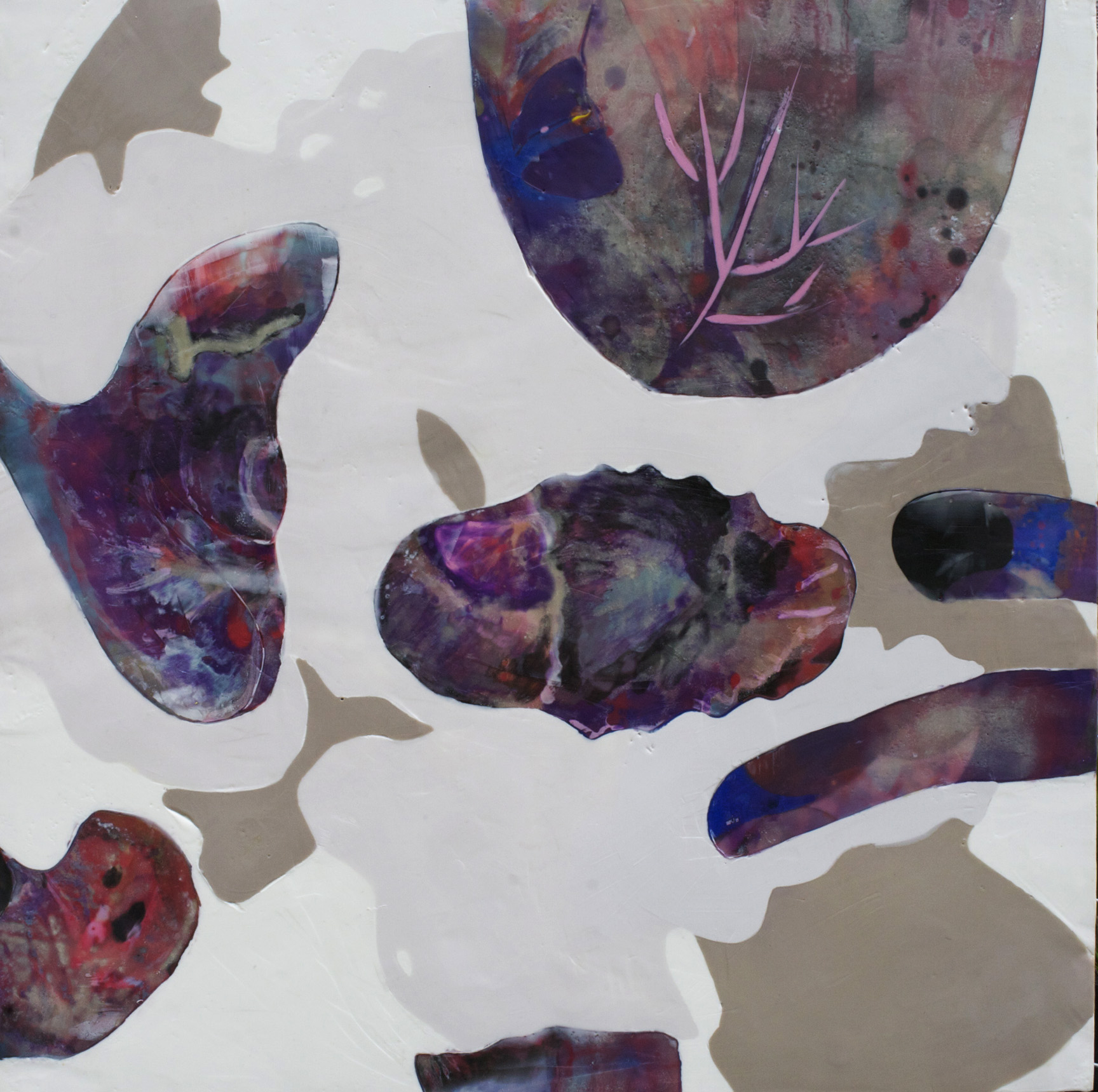
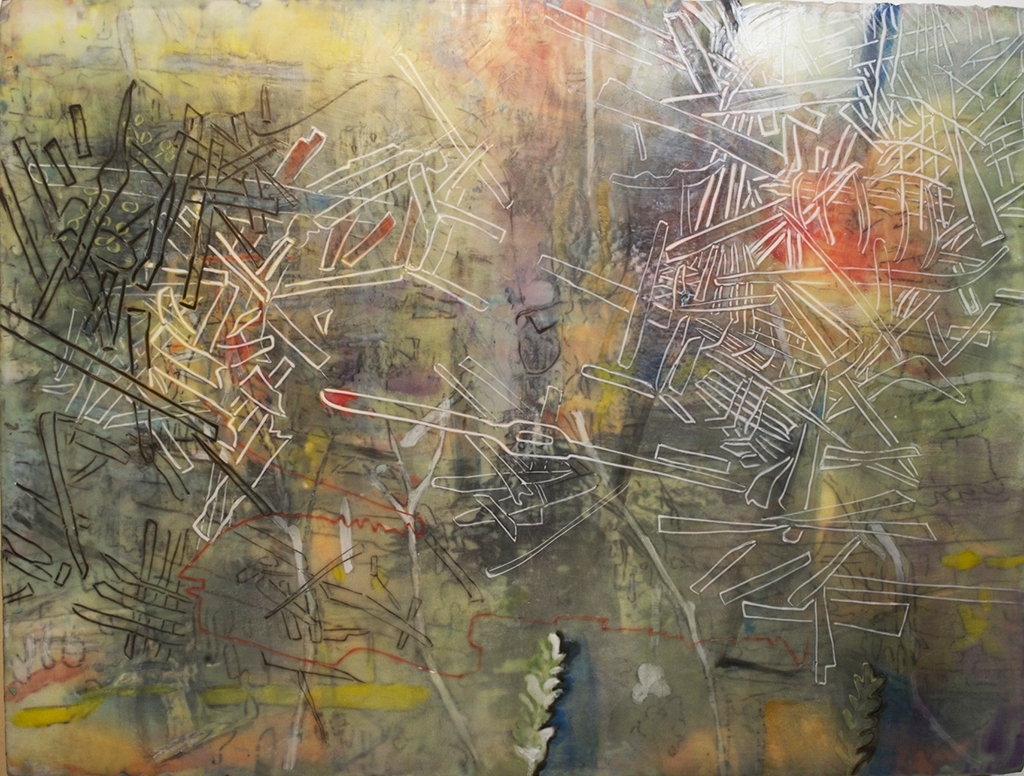
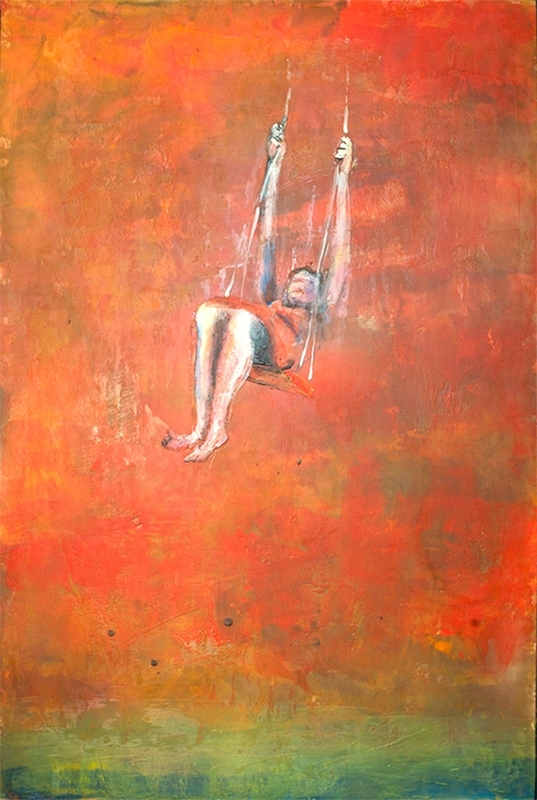
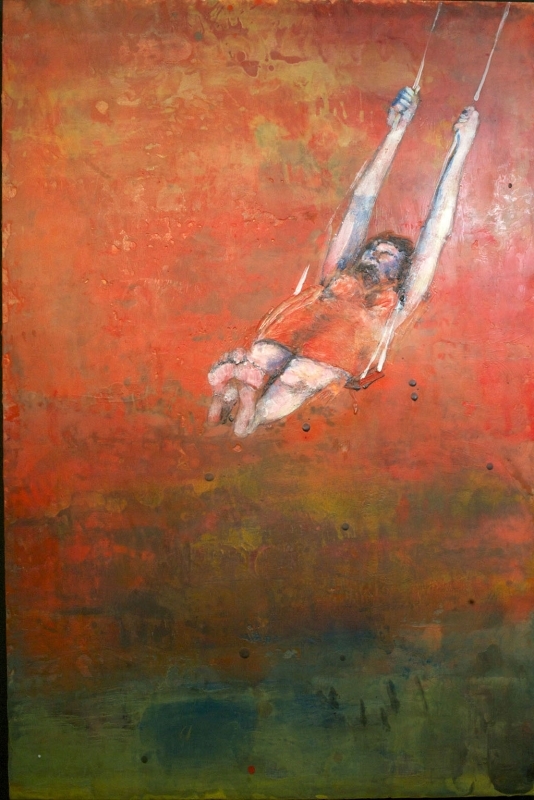
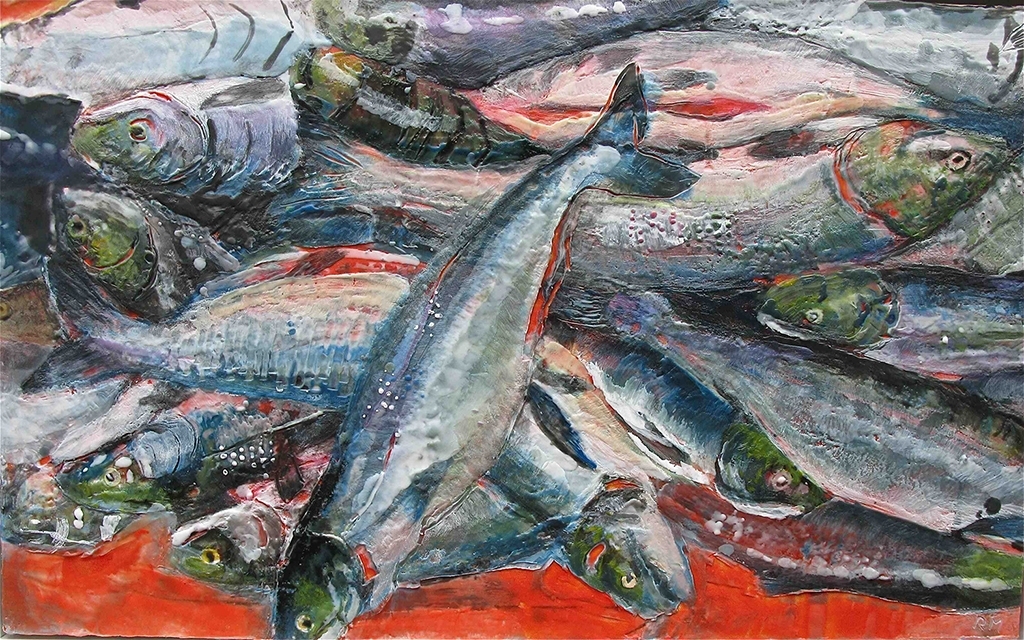
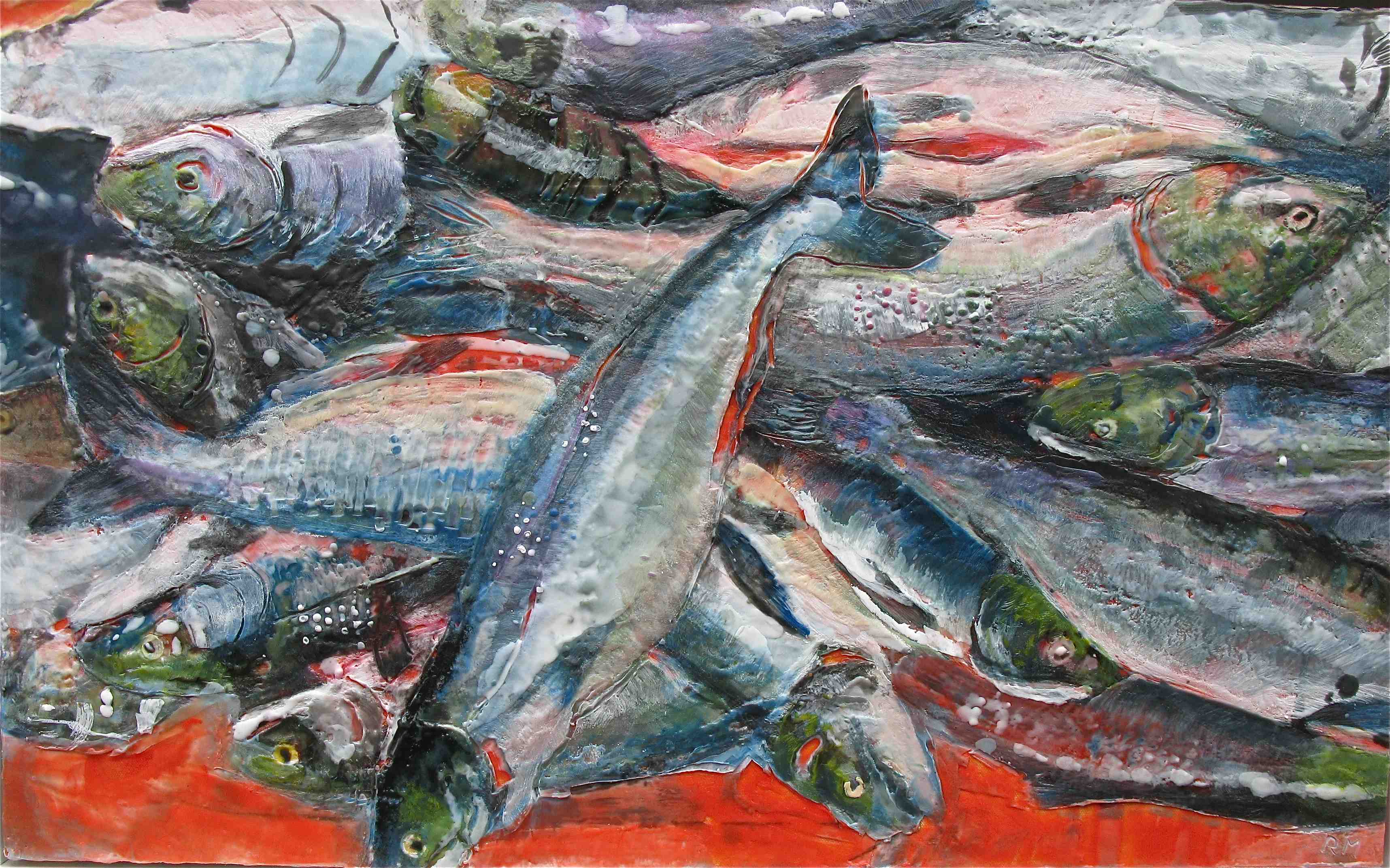
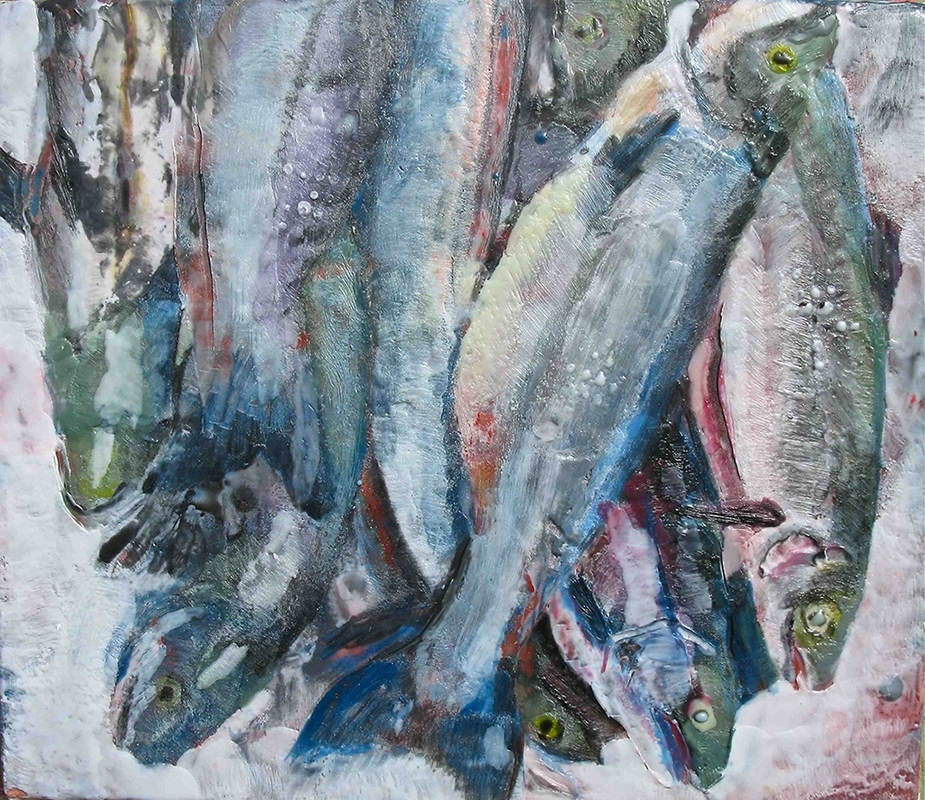
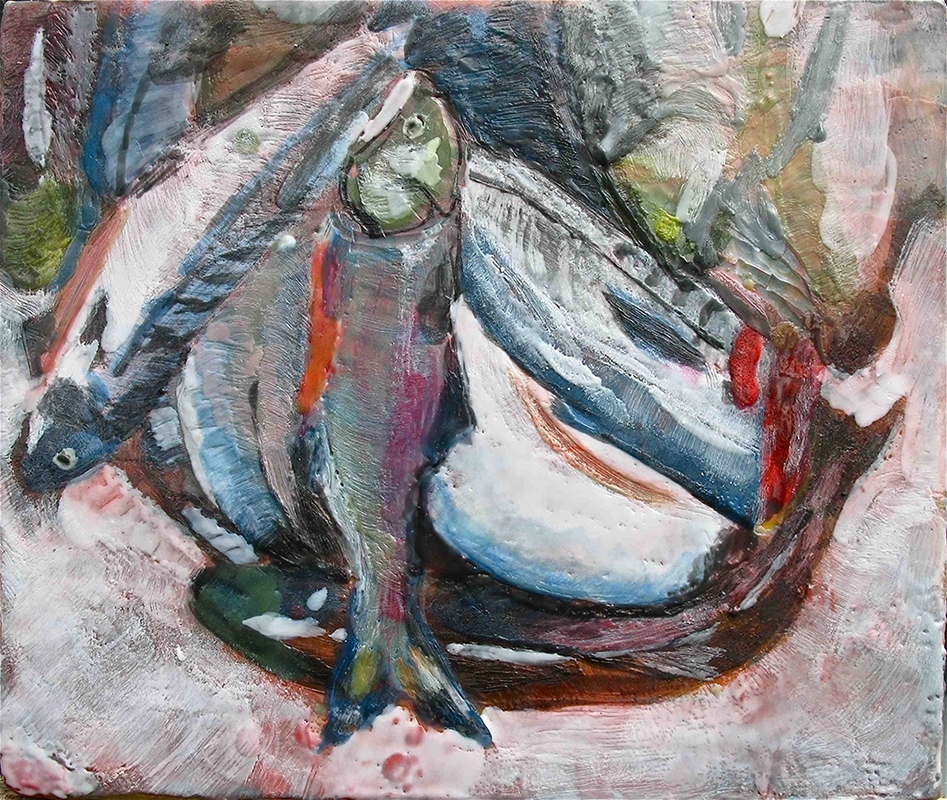
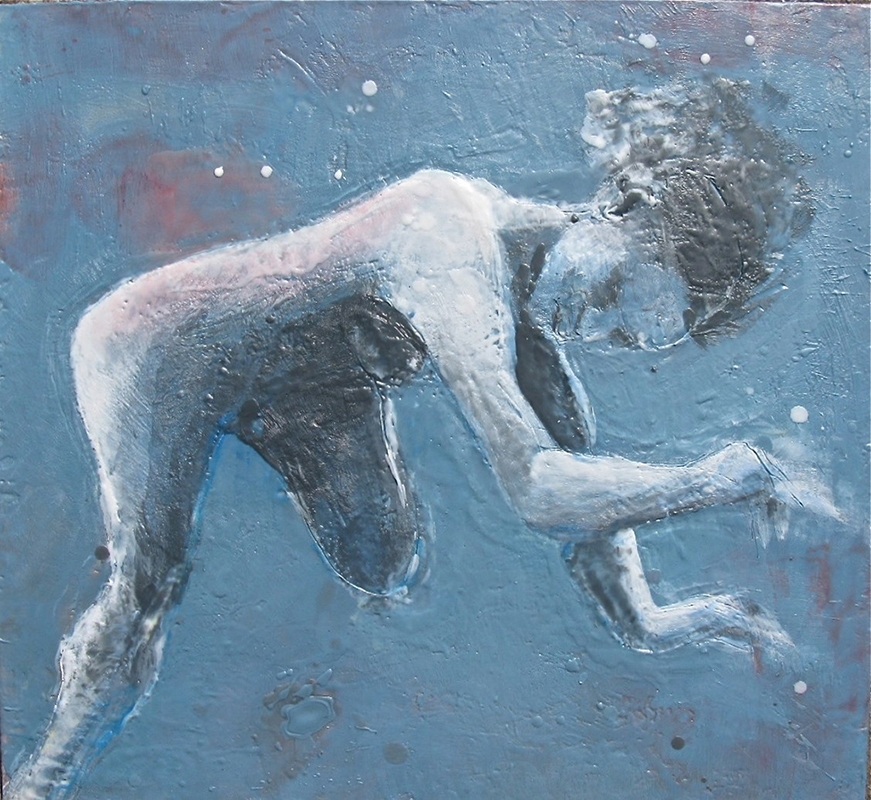
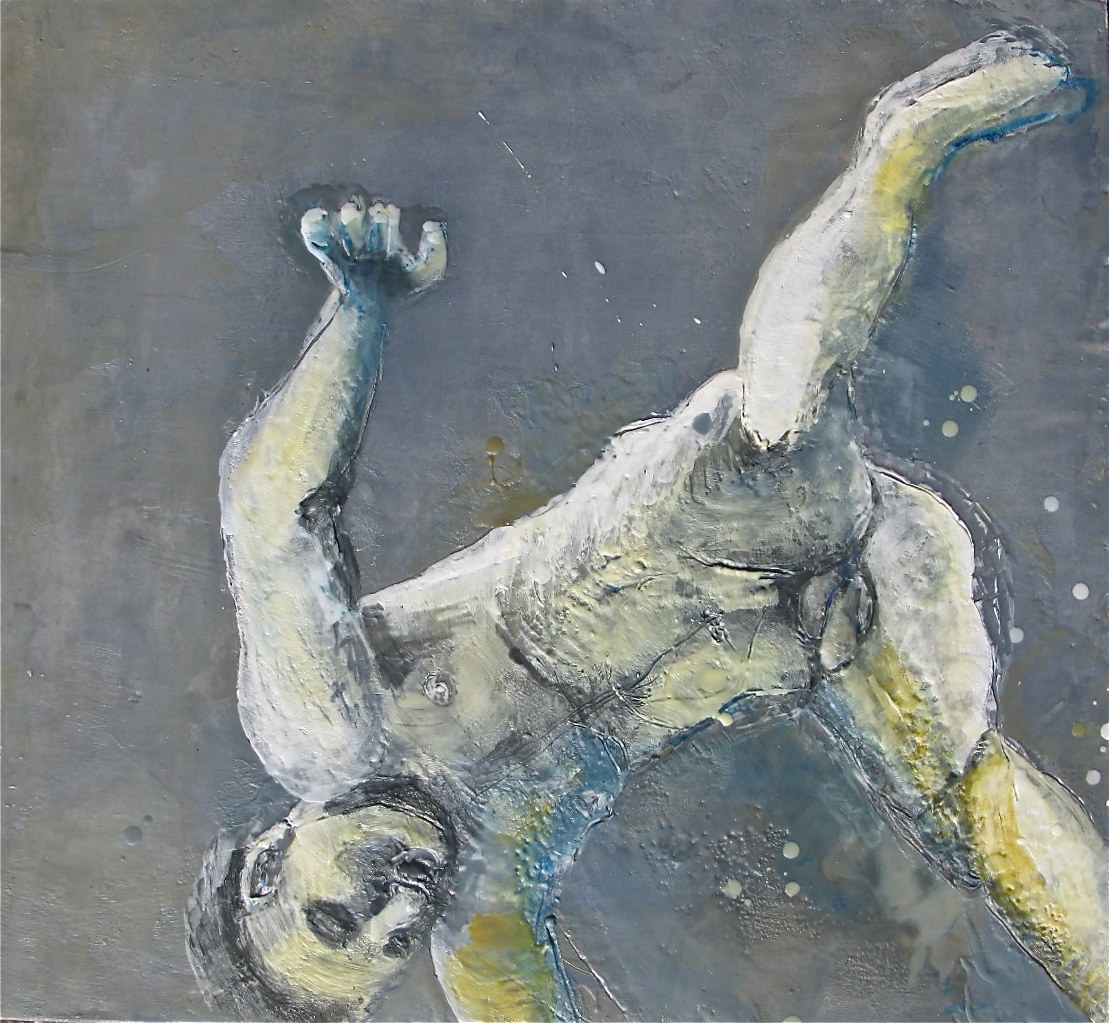
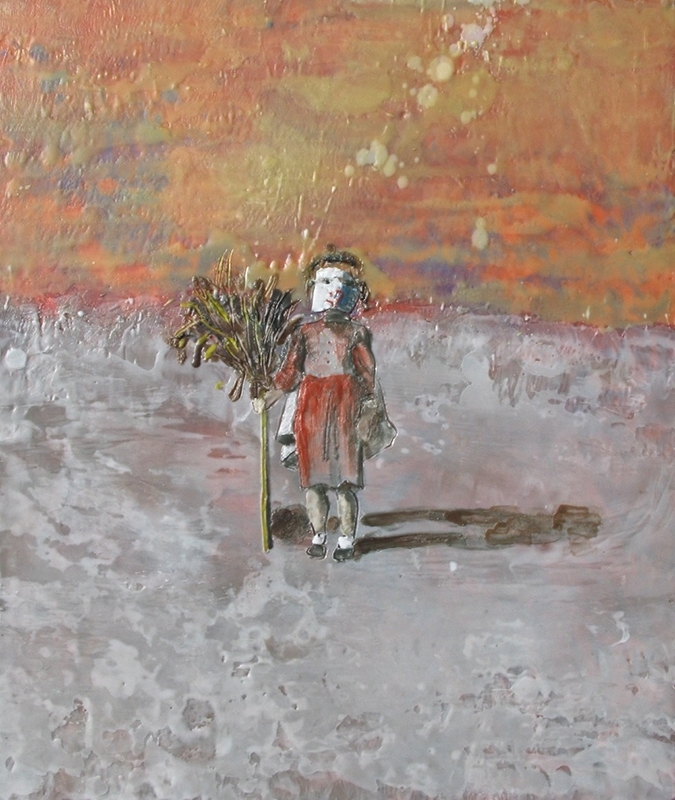
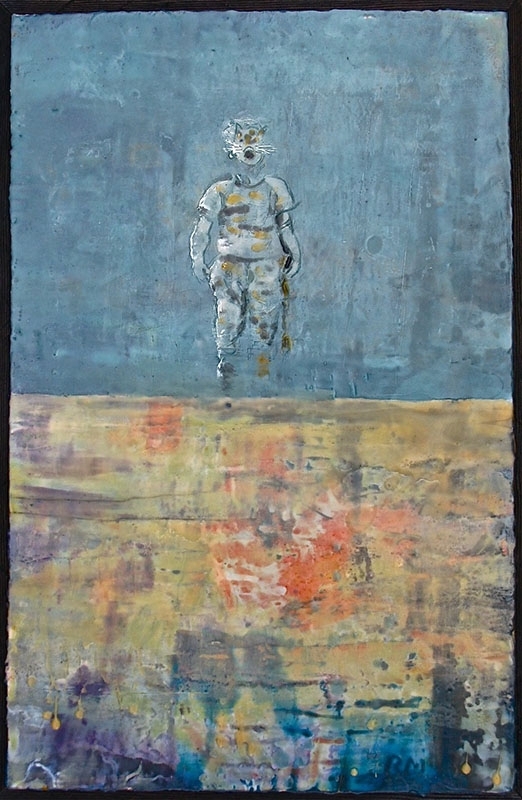
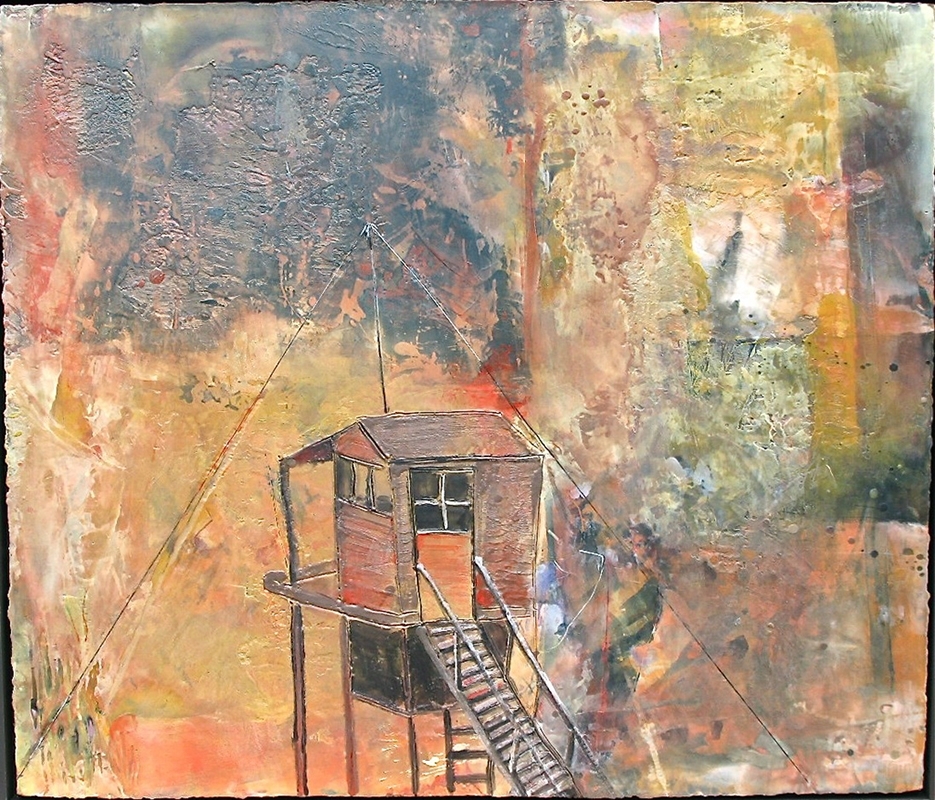
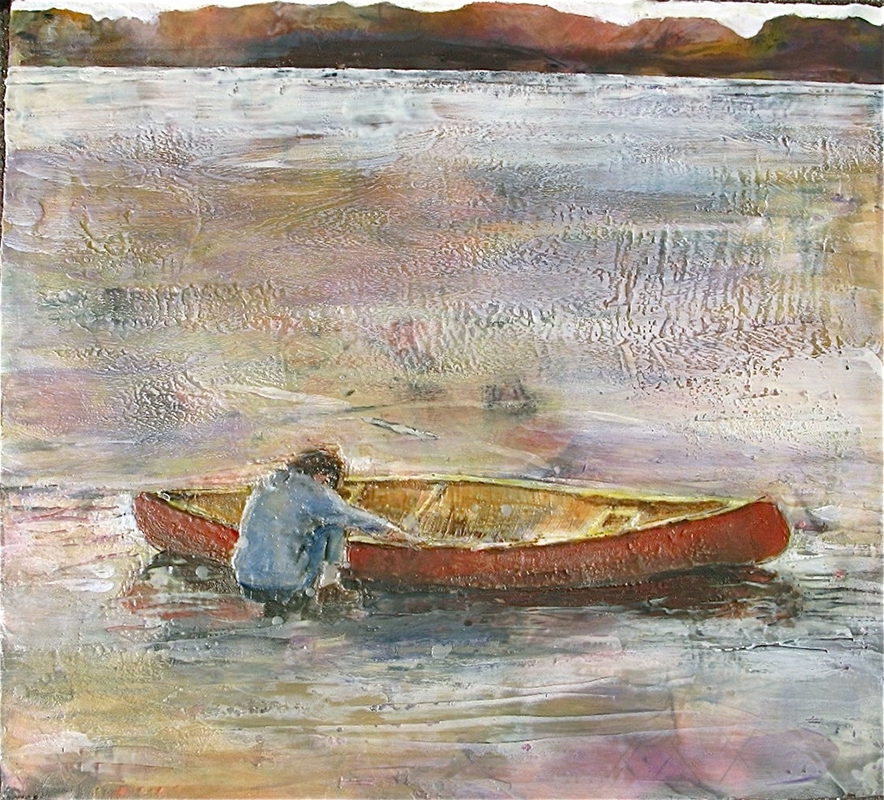
Memory is fragmented. The cognizance of what we see is often fragmented and impressionistic from multiple points of view that create not so much a scene but a feeling, even a sensation or an abstract idea of something. These new works explore ways of showing these ideas in painting.

Categories
Encaustic Gallery Infinity Patterns

Infinity Patterns

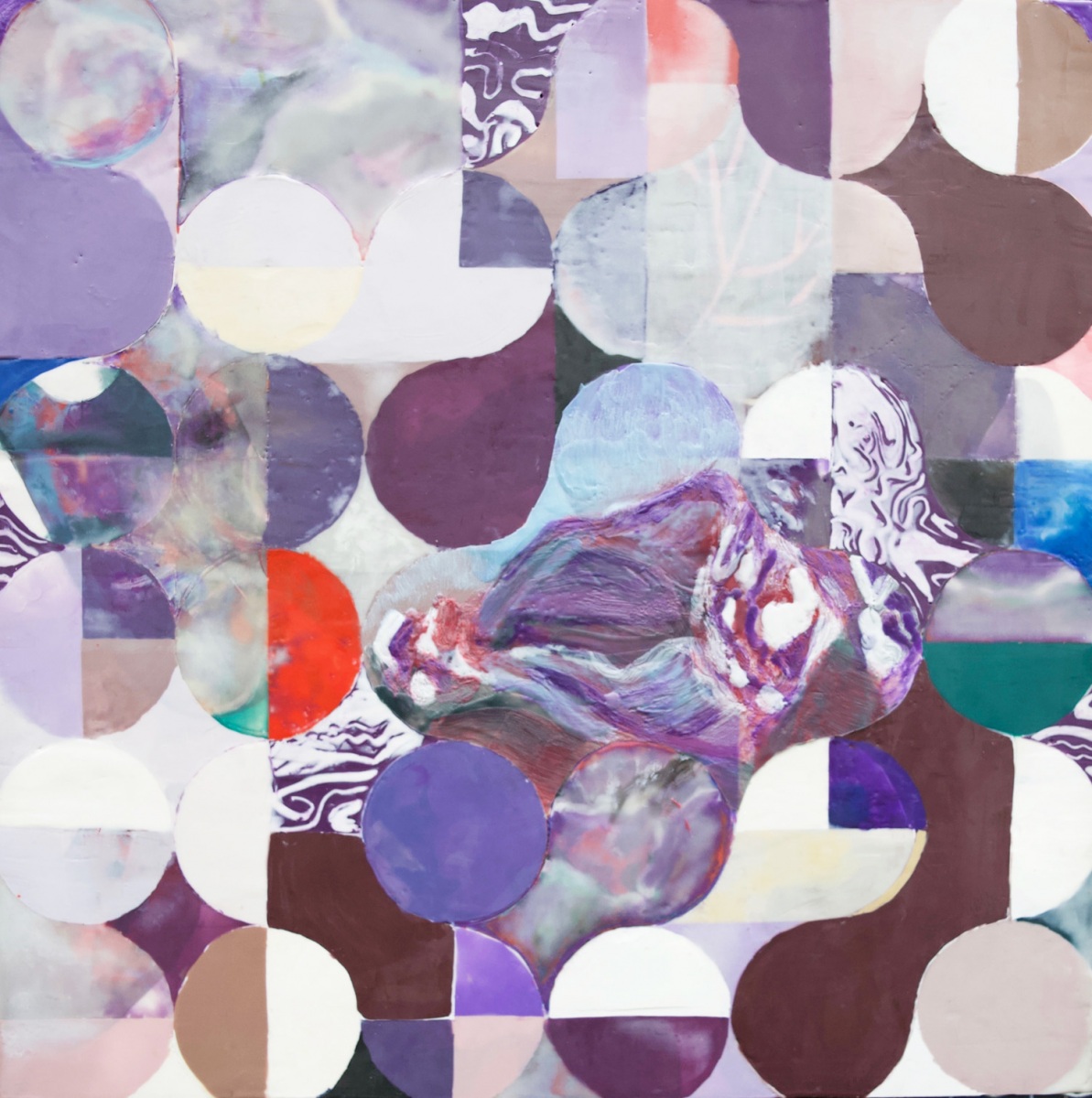
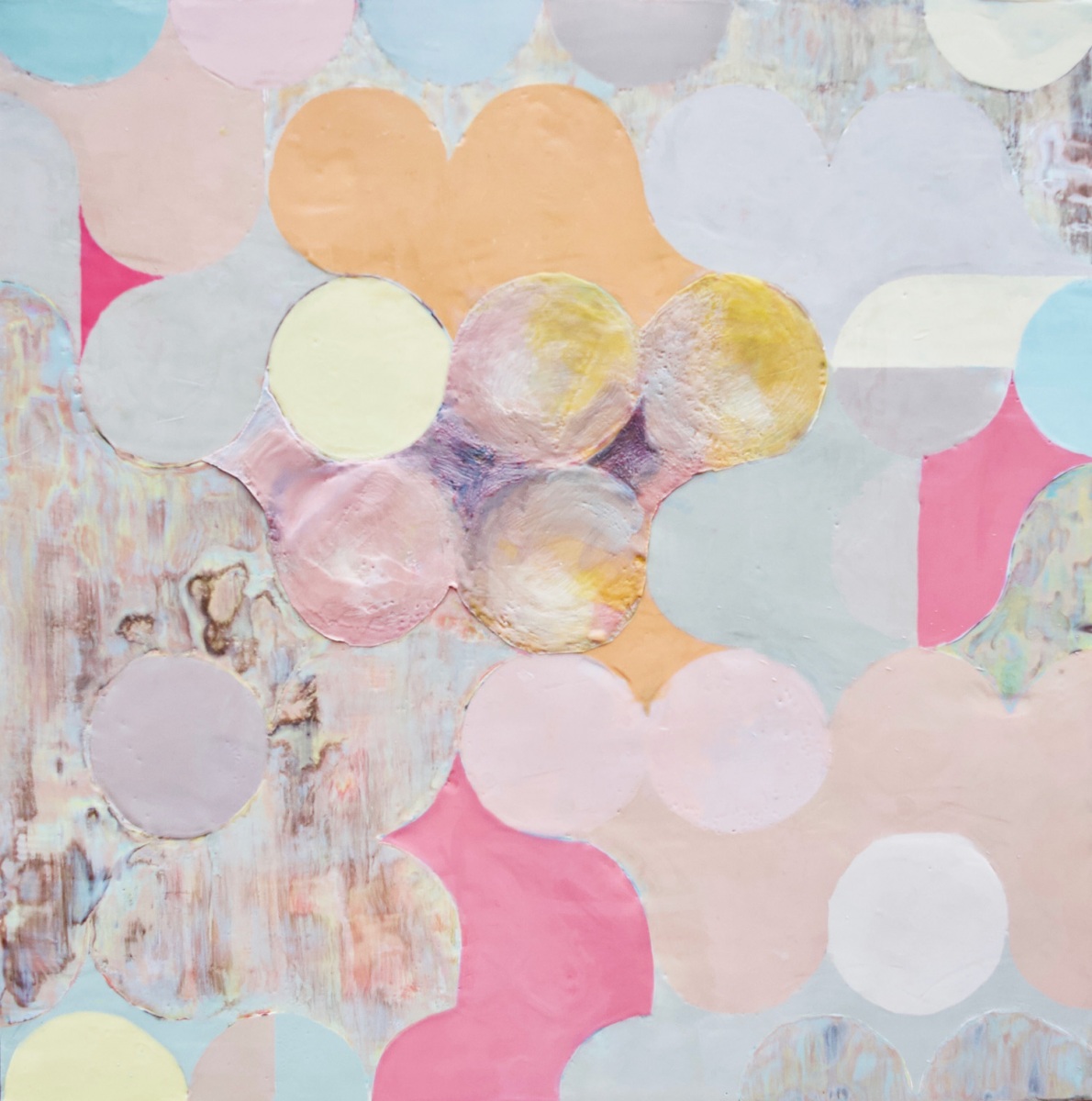
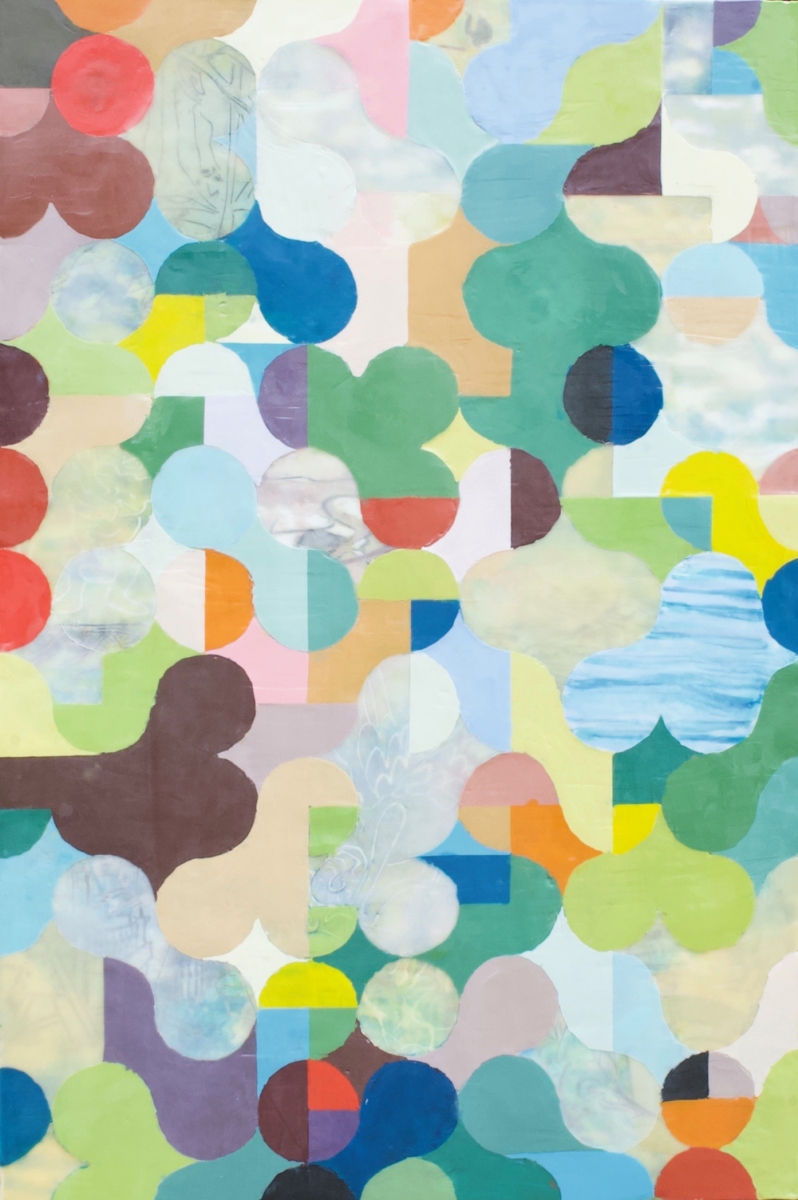
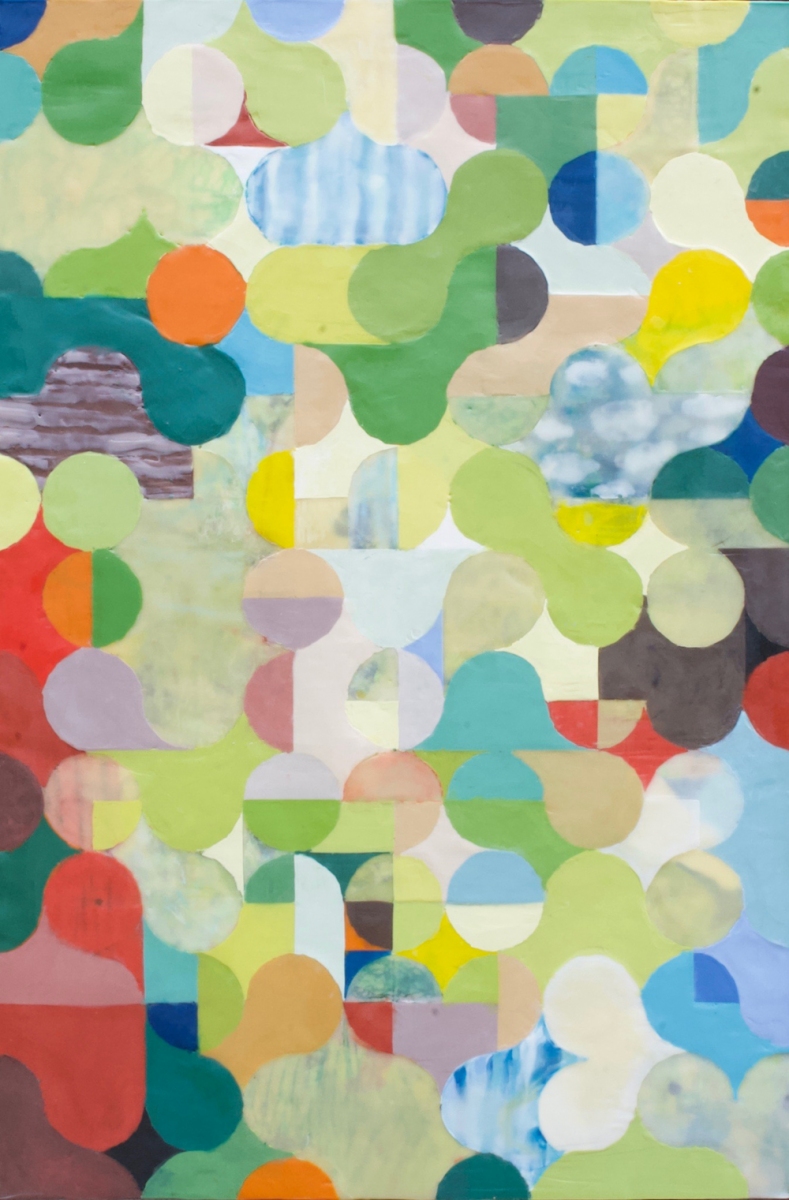
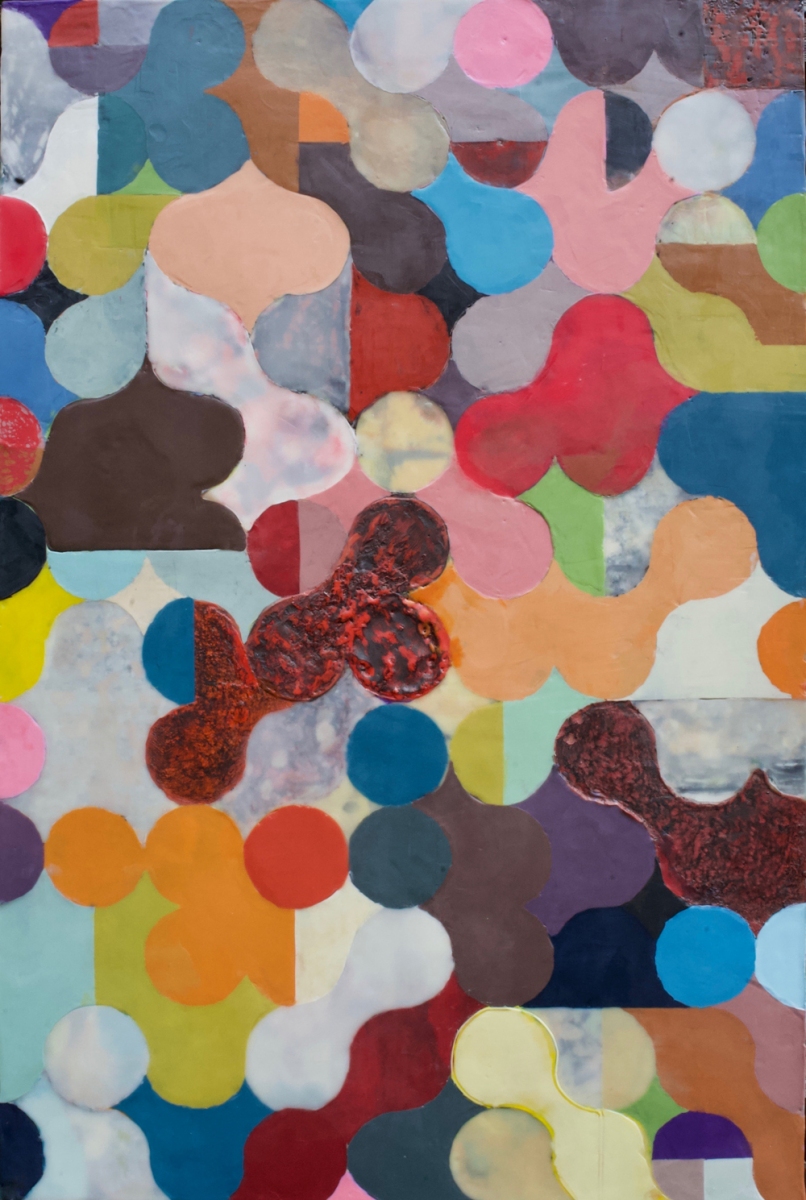
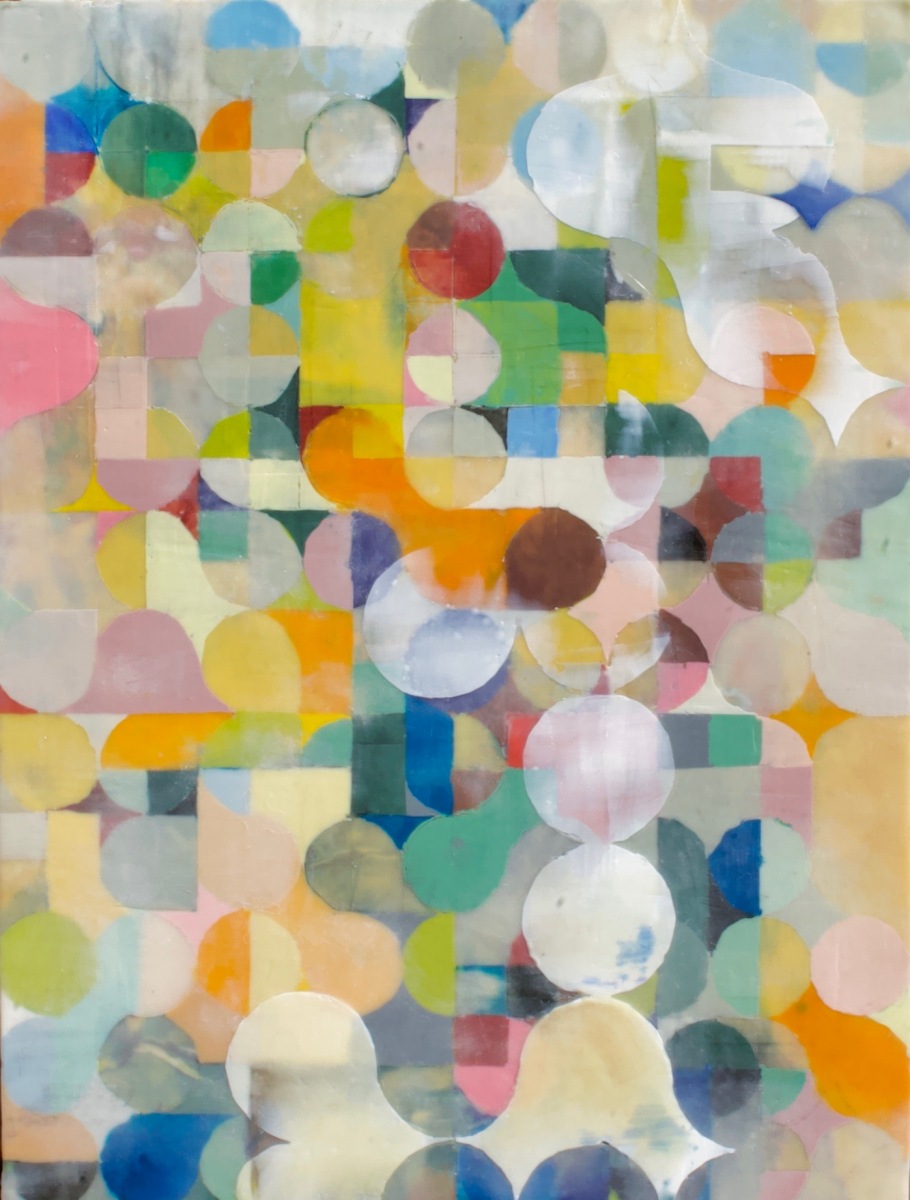
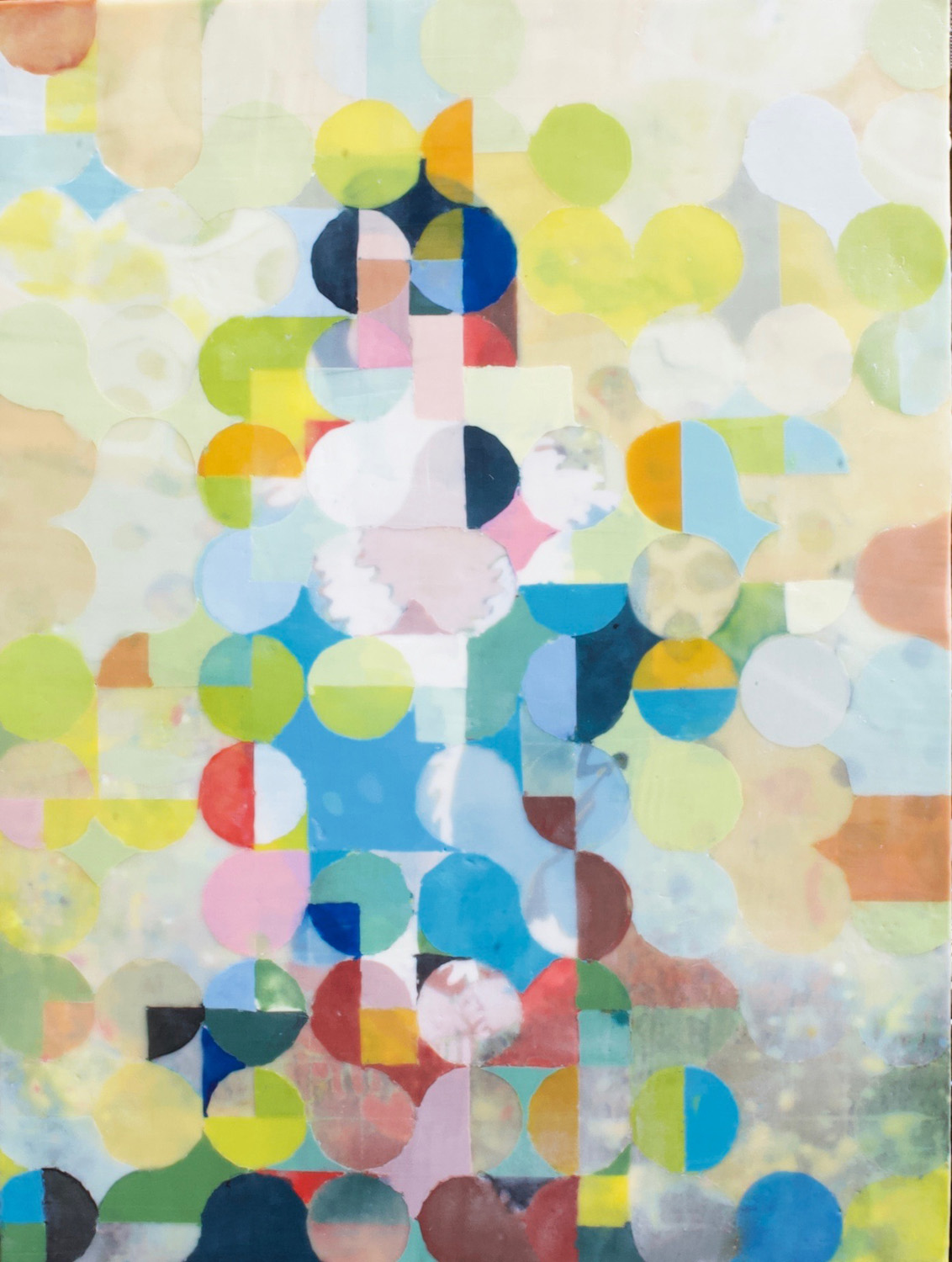
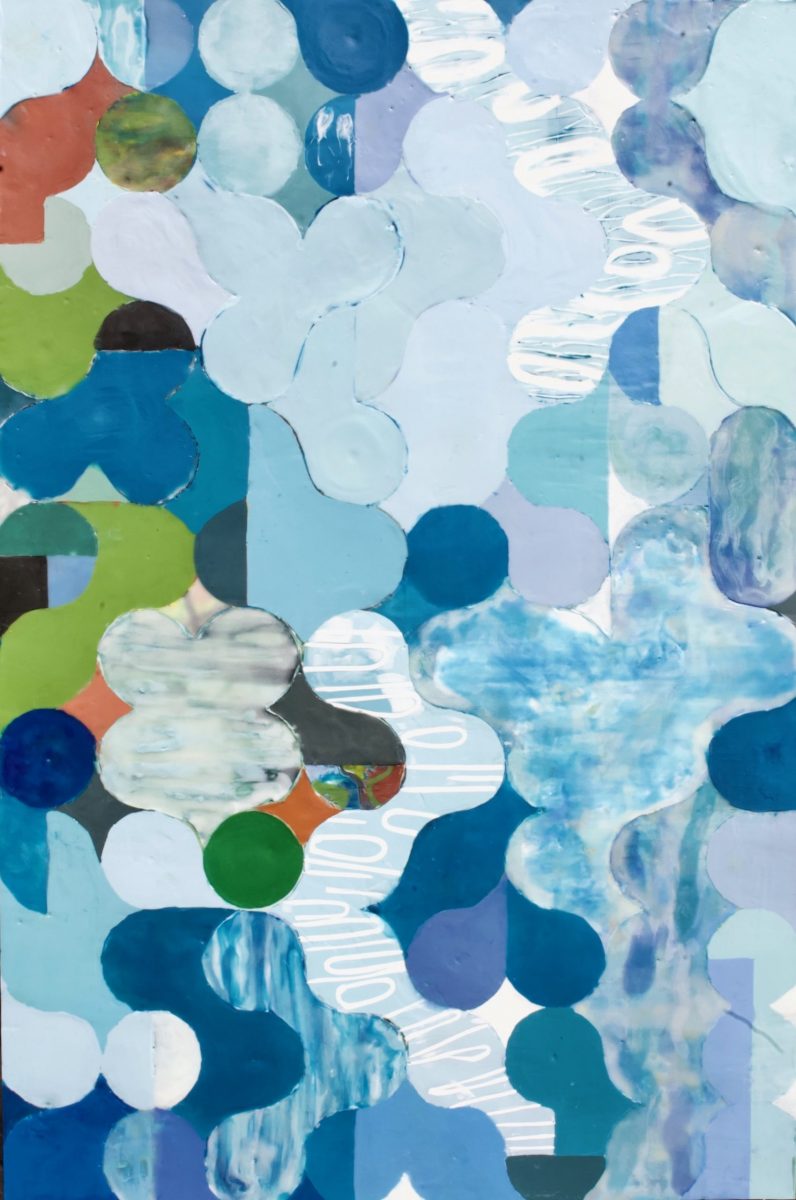
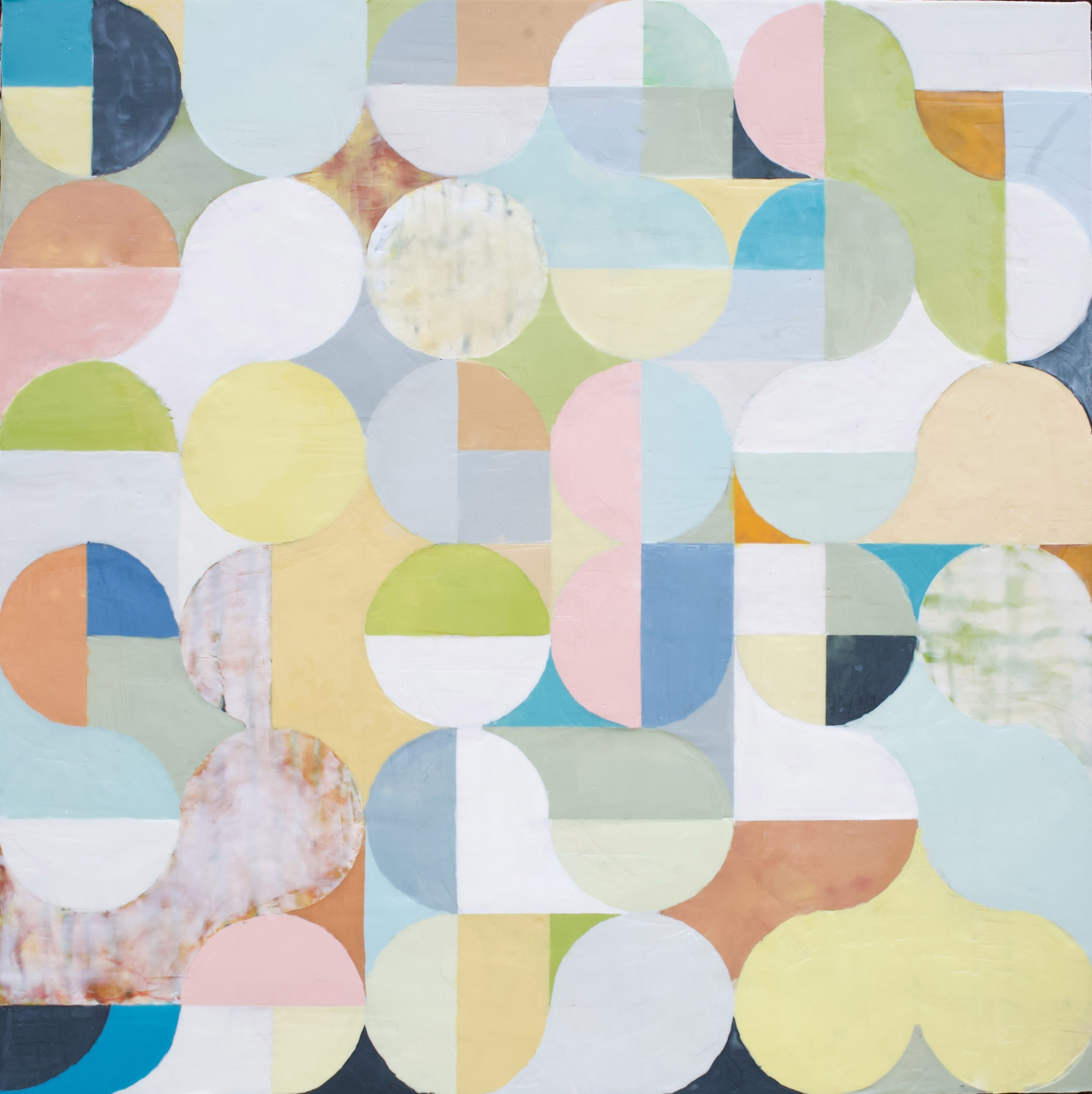
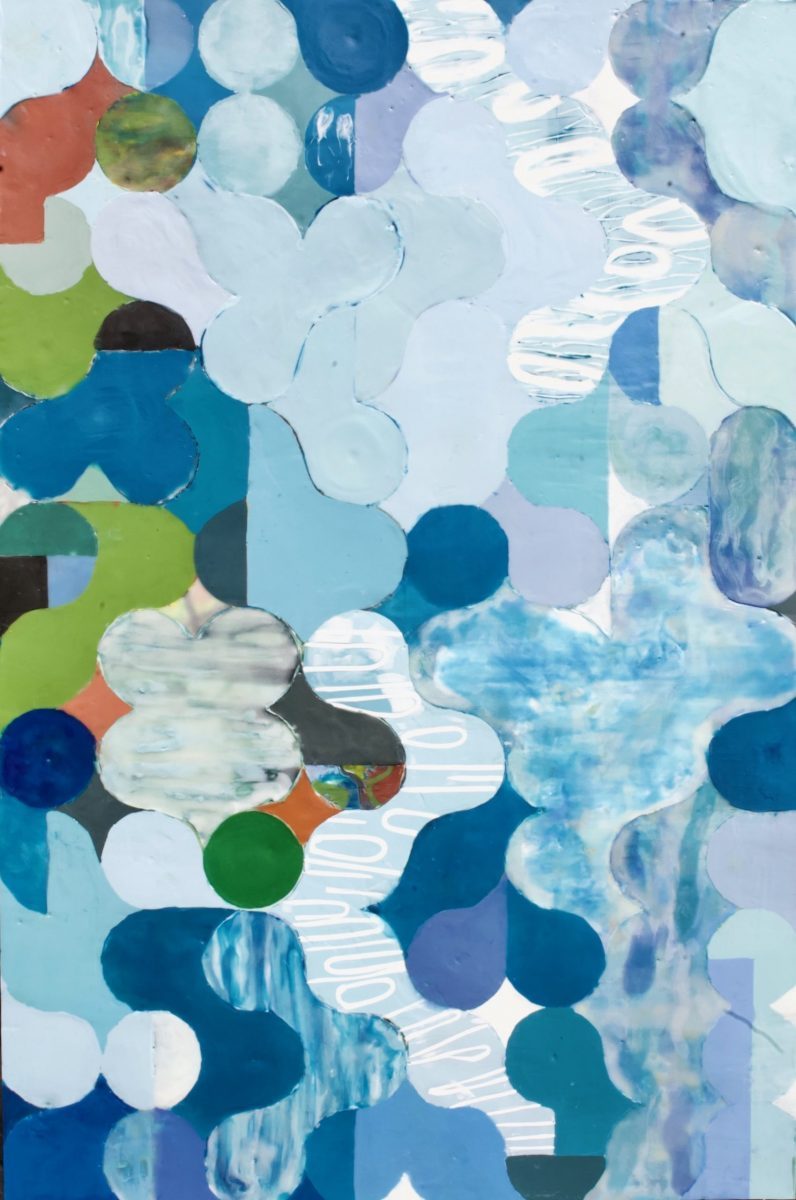
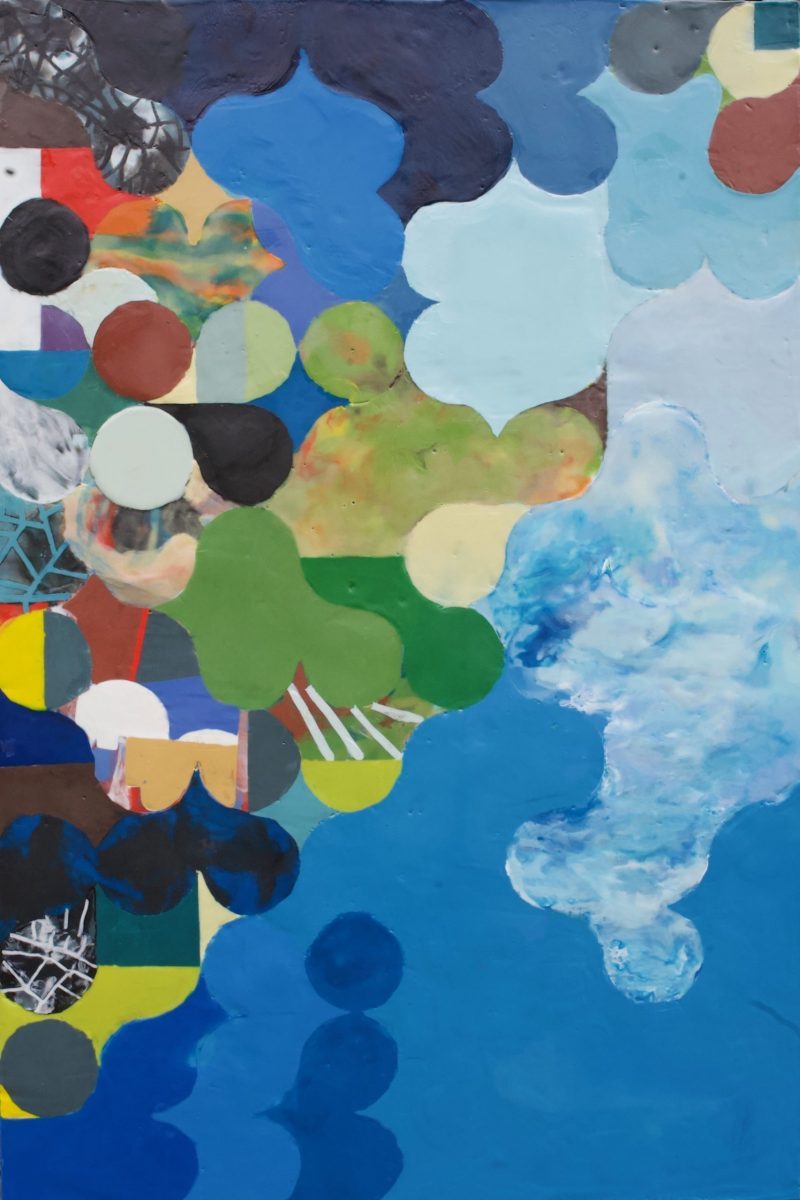
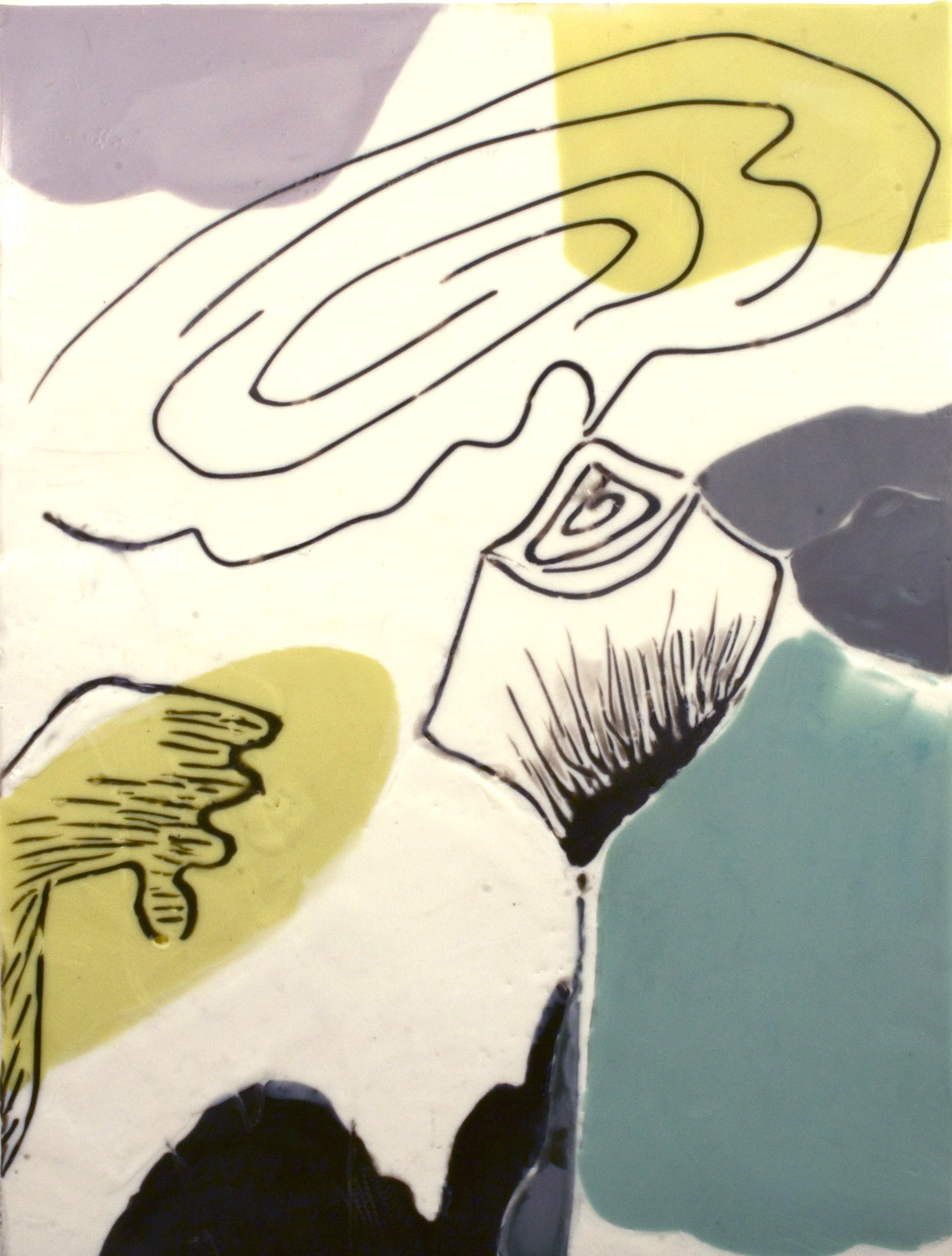
Infinity Patterns use a repetitive circular pattern as a starting point. Rosalie pushes against the boundaries of this simple pattern evoking an emotional and sensual connection to the material through the abstract components of composition, shape, colour and texture.


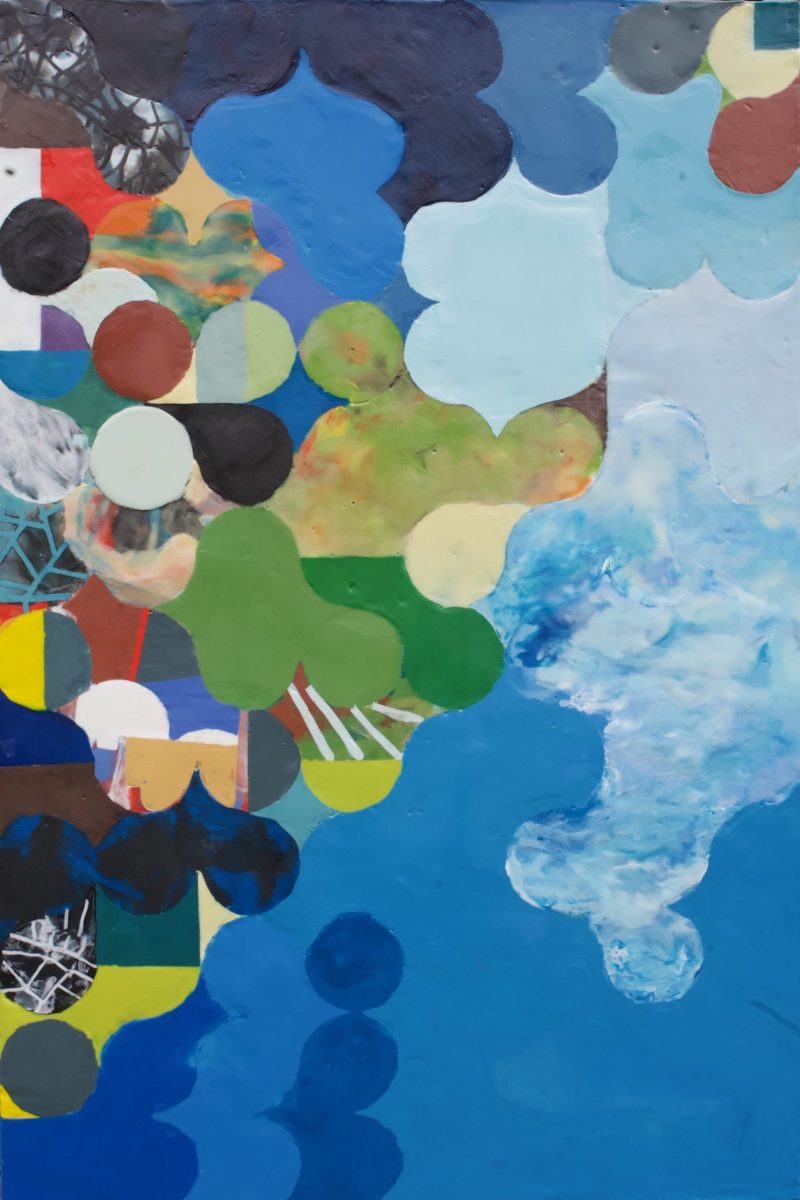
Blue Point

A Collaboration with Shirely Graham

My aim in this collaboration was to evoke the emotional energy and structure of the poem without resorting to illustration. Again I chose to use the circle pattern to explore composition.

It was a joy discovering Shriley’s poetry. I had a hard time choosing which poem to use. I decided on Blue Point because it is a powerful poem about a place right here on Salt Spring.

Categories
Encaustic Gallery

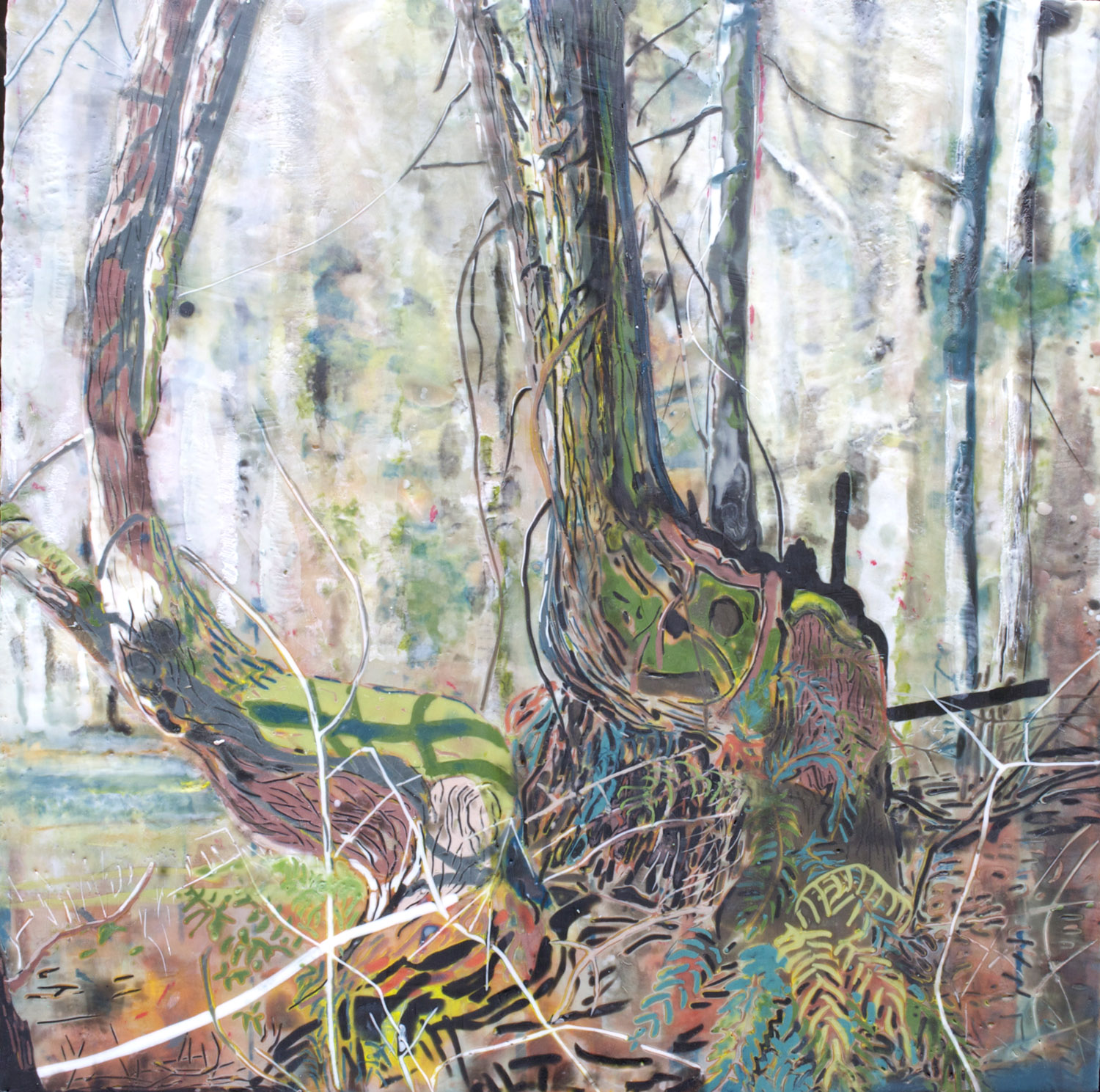
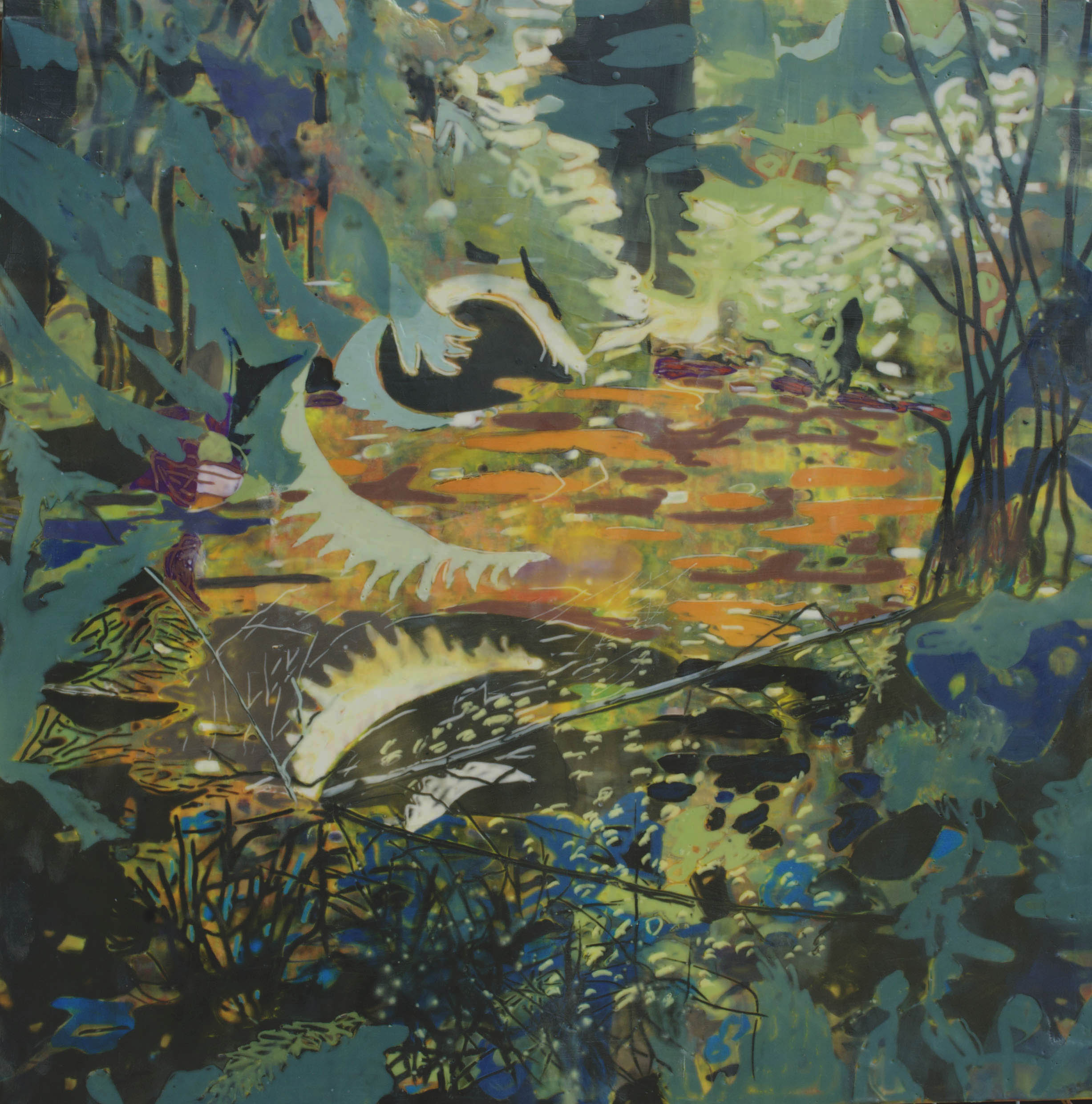
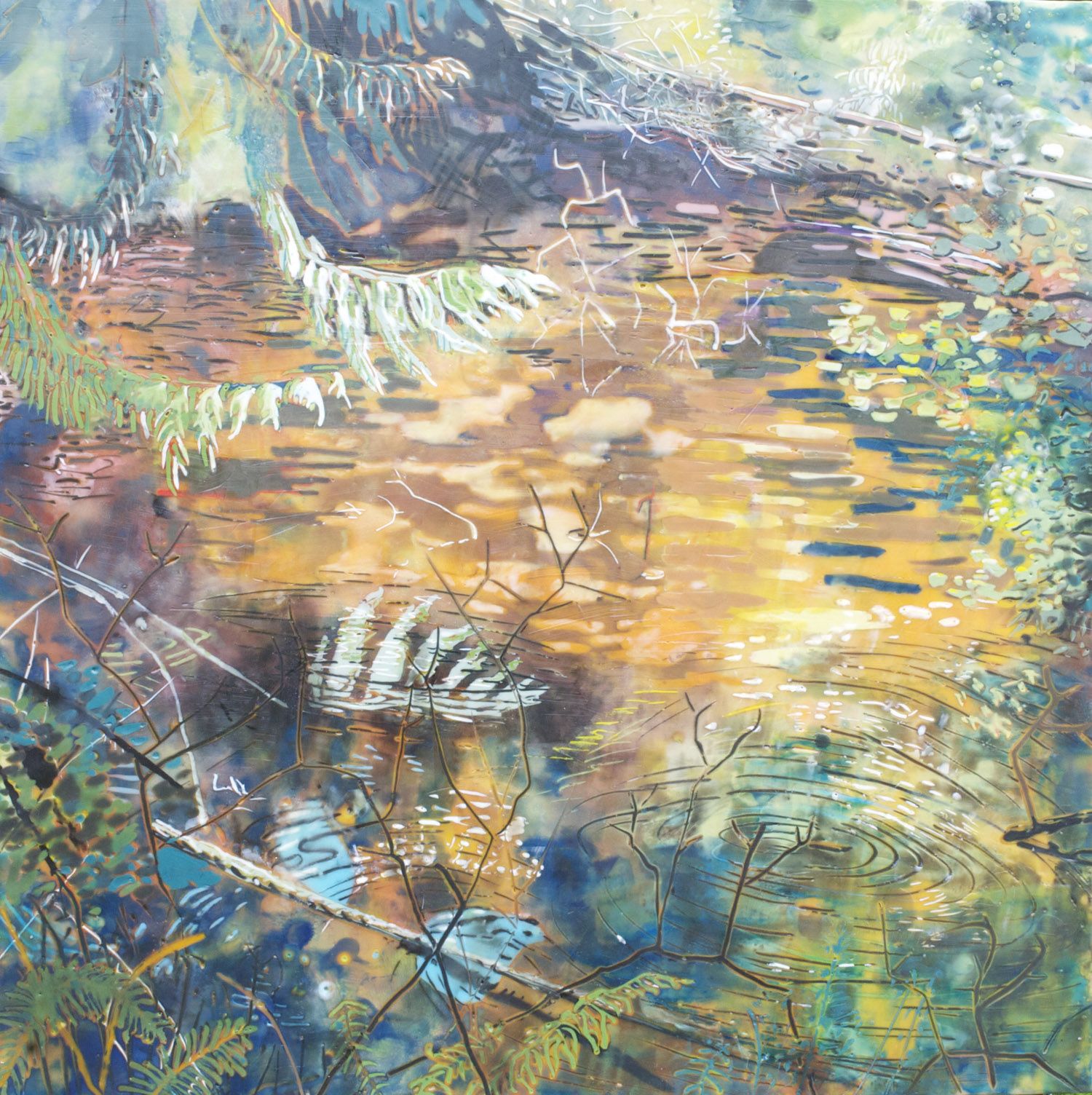
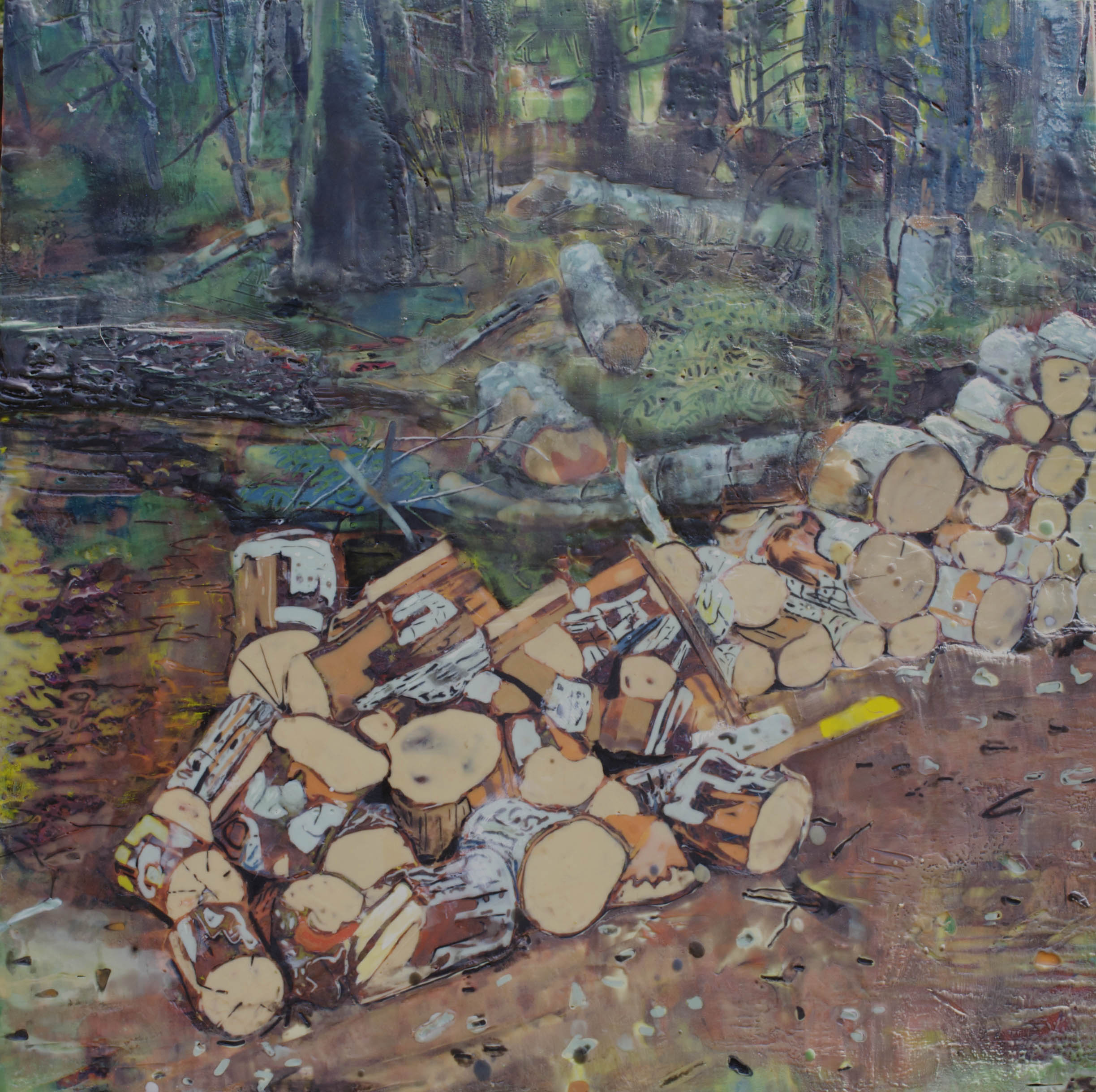
Salt Spring Idyll

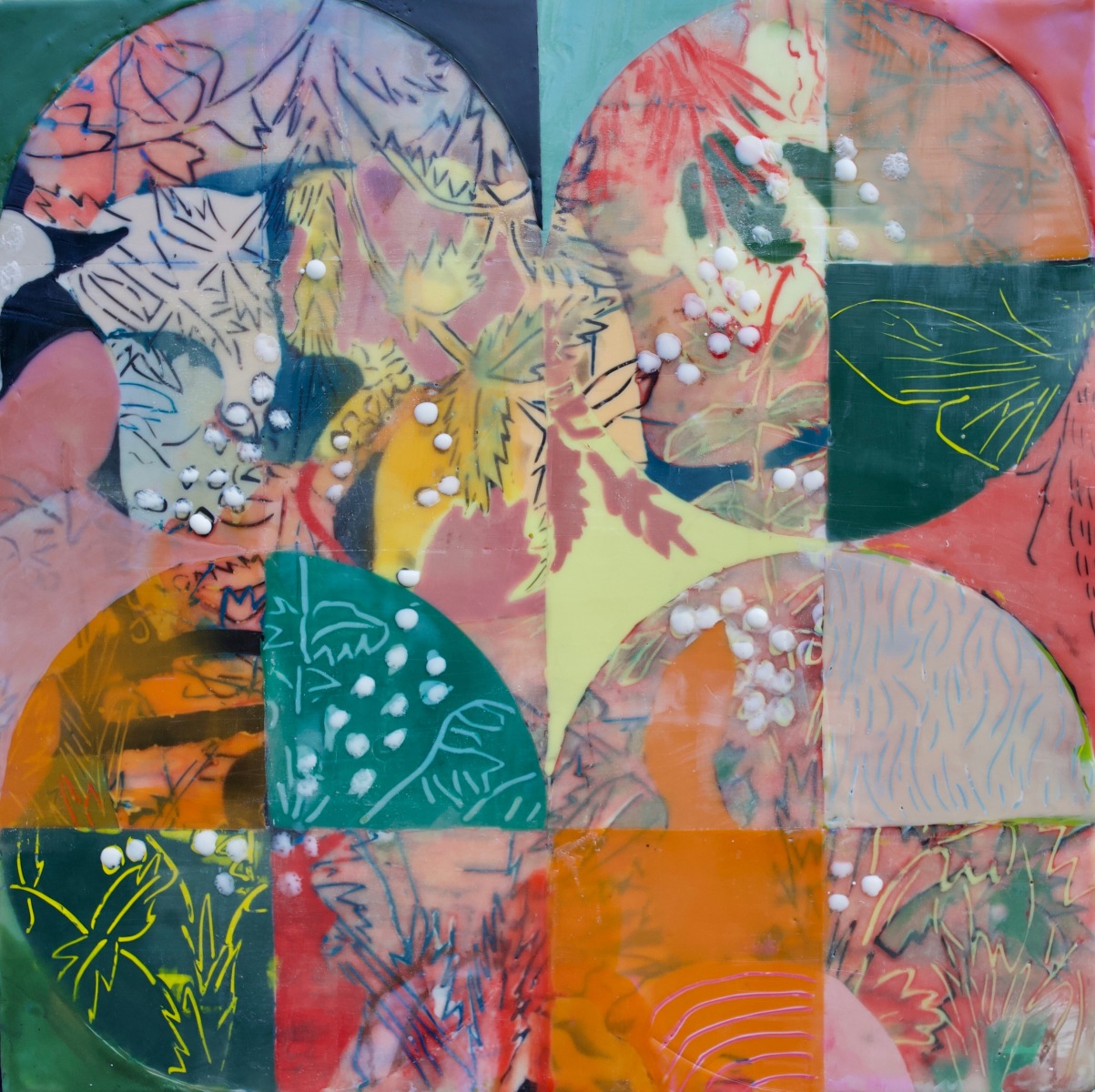
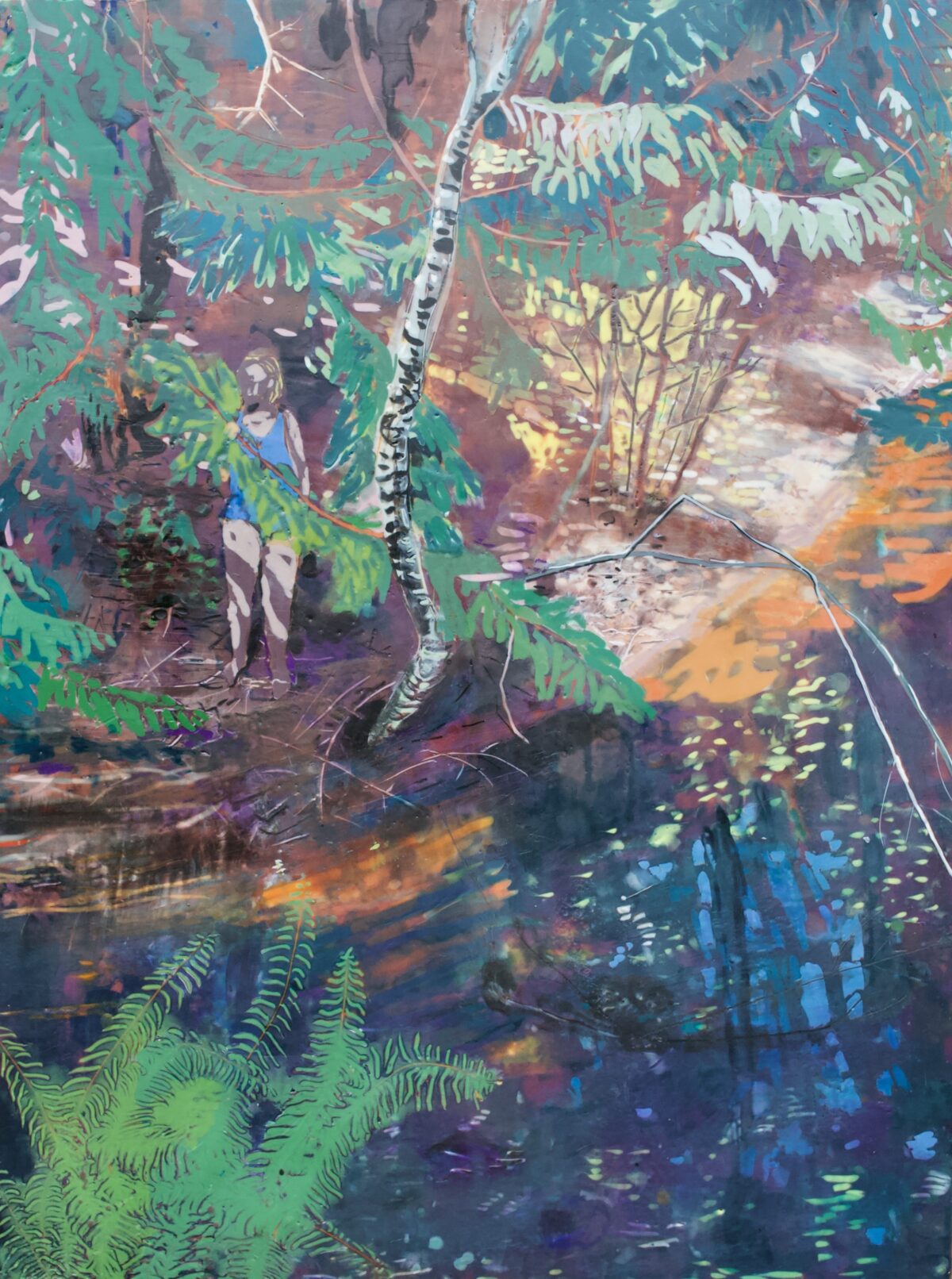
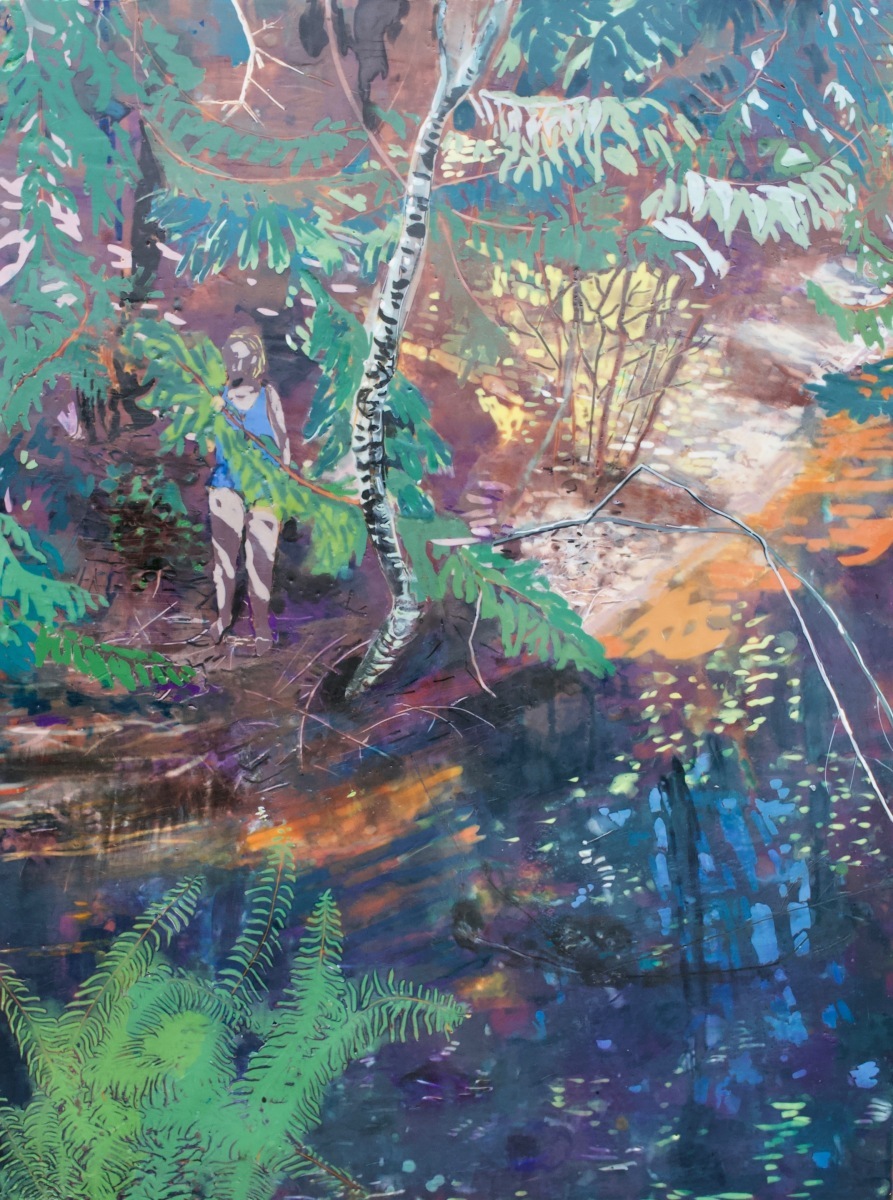
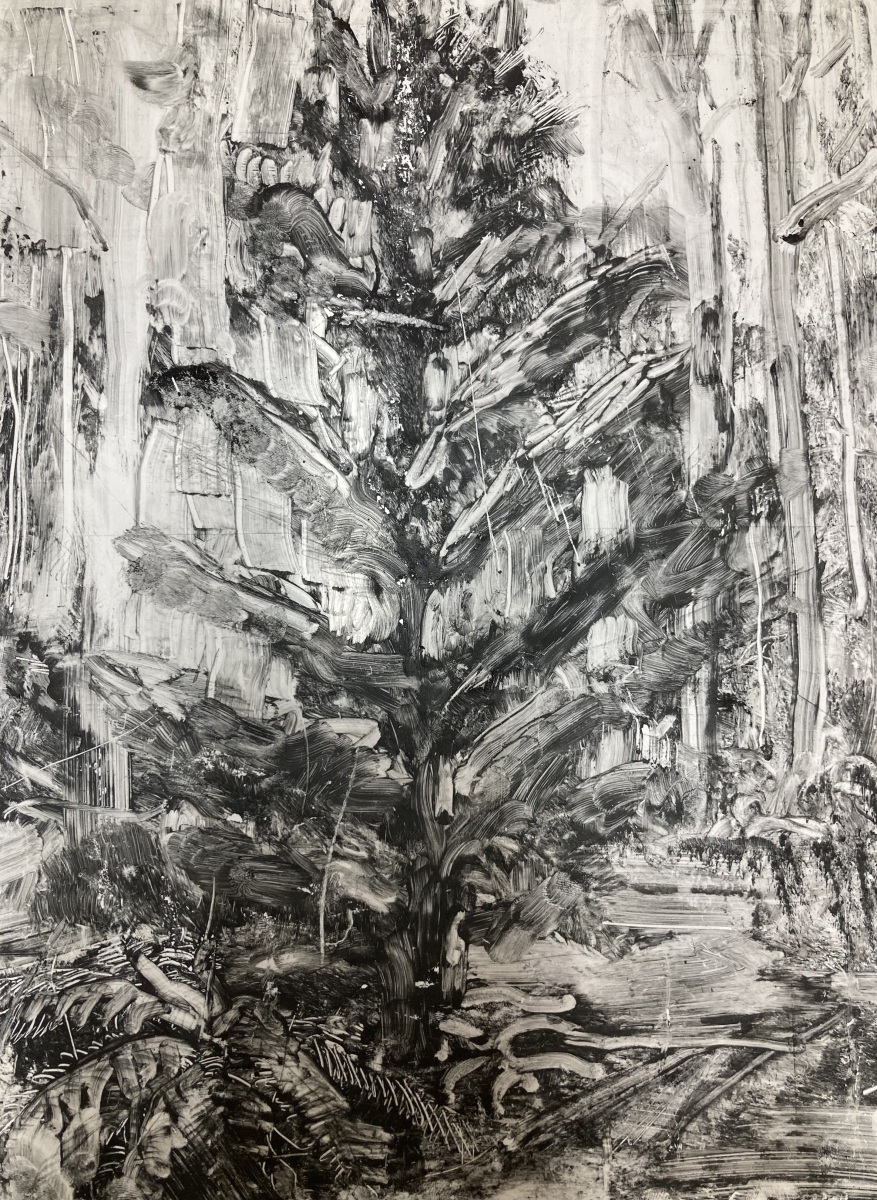
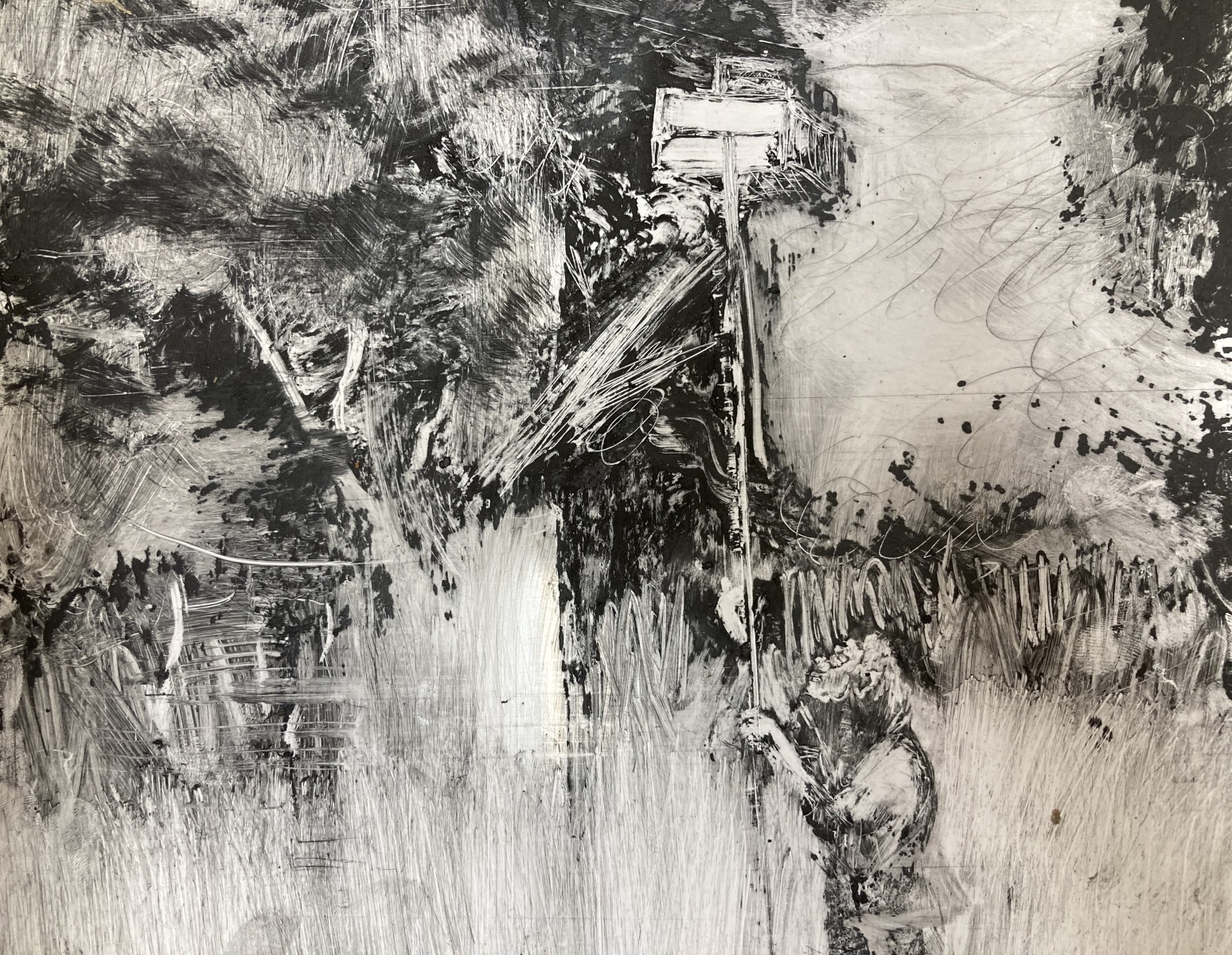
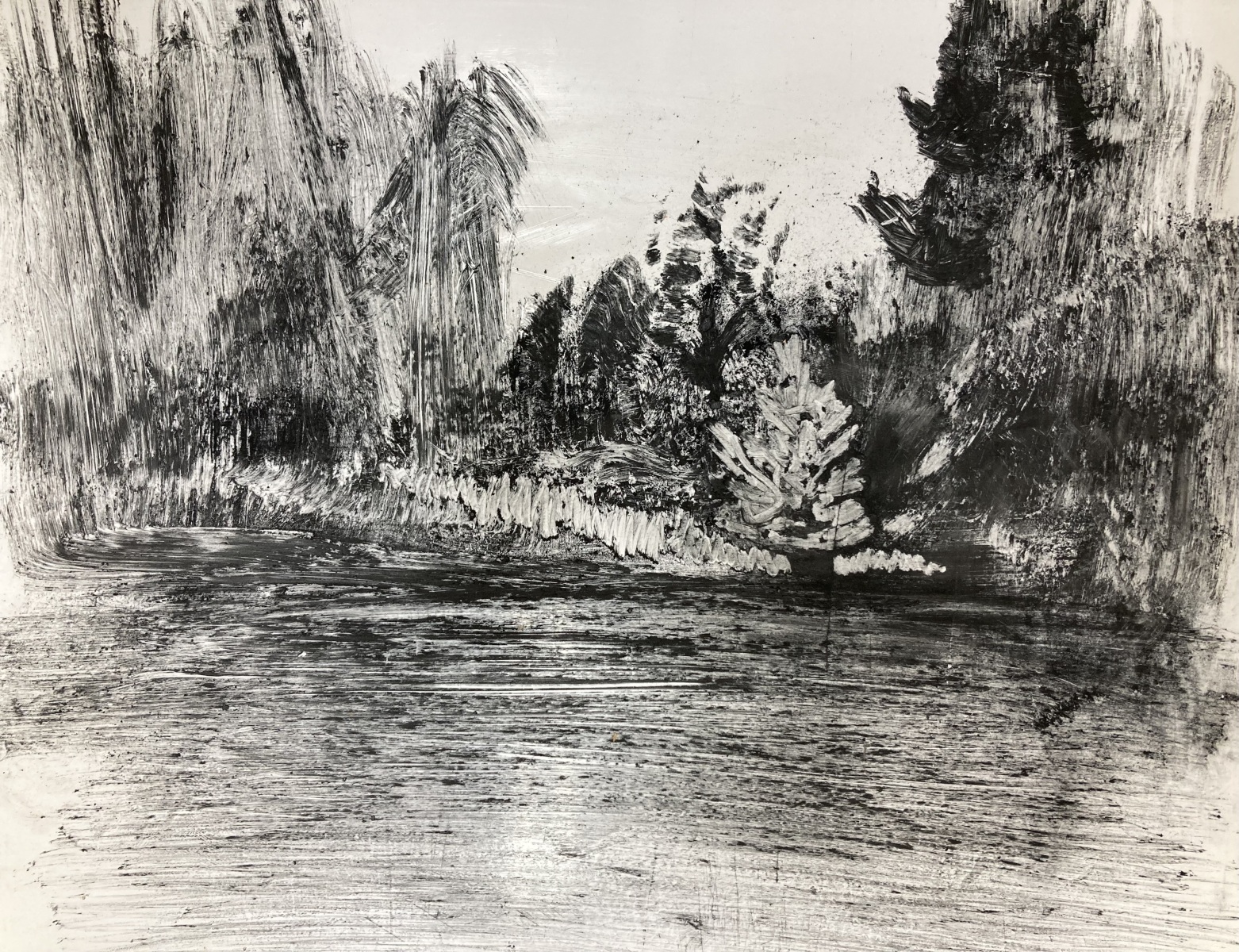
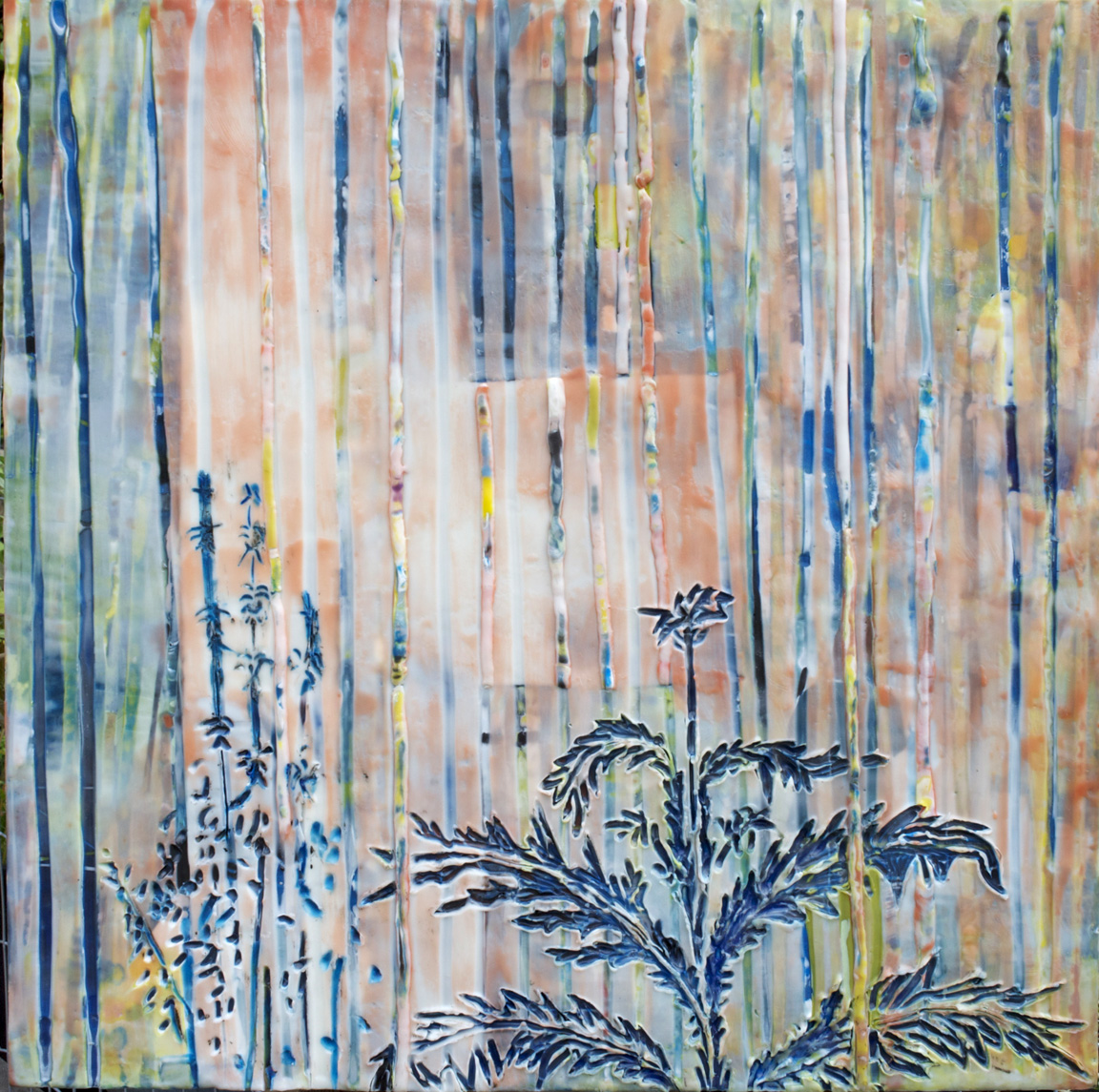
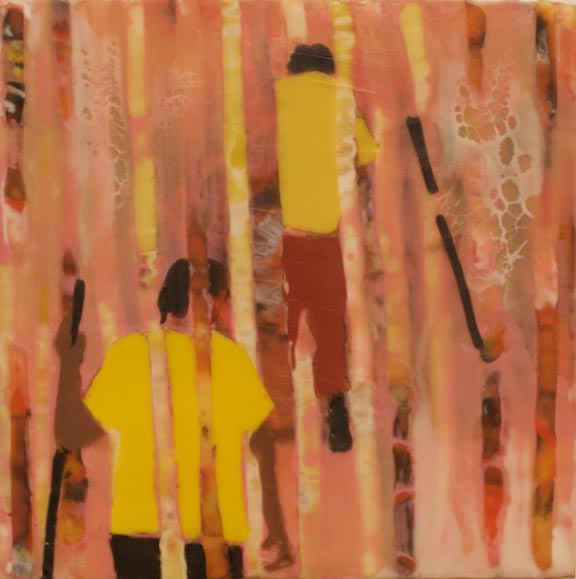
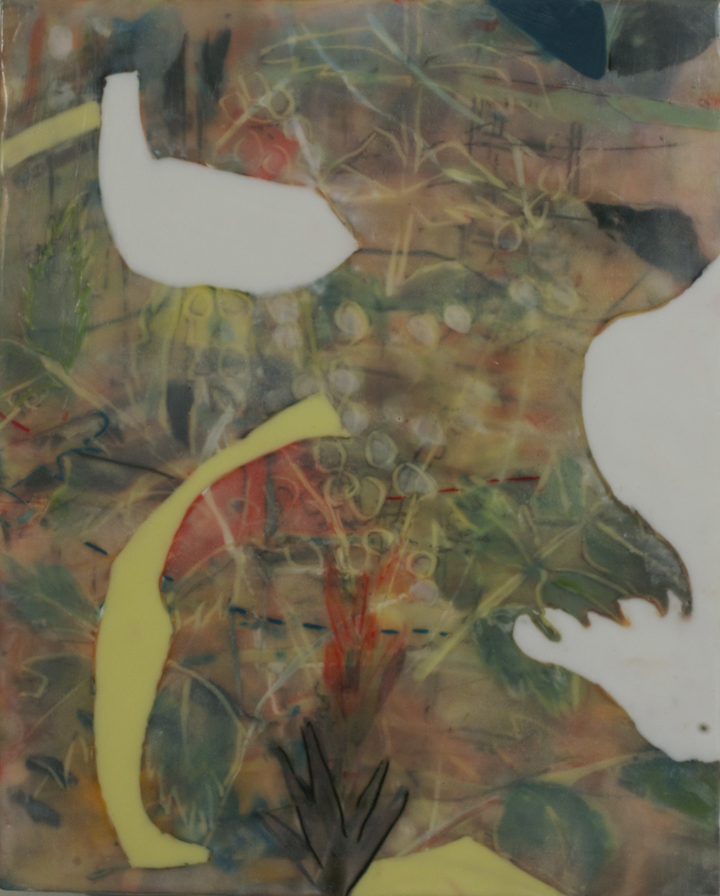
Like many before me, as a newcomer to the West Coast, I have been inspired by what was for me new flora and fauna, the forests and changing seasons. After moving to Salt Spring one of the first things I did was to sit out in the forest doing plein air studies of the scenes around me. Nevertheless I put those sketches aside to get on with other work in the studio. Finally one day last summer when I noticed a shallow pond in the forest reflecting an unusual orange light from the mud beneath I was mesmerized and decided it was time to revisit those early sketches.
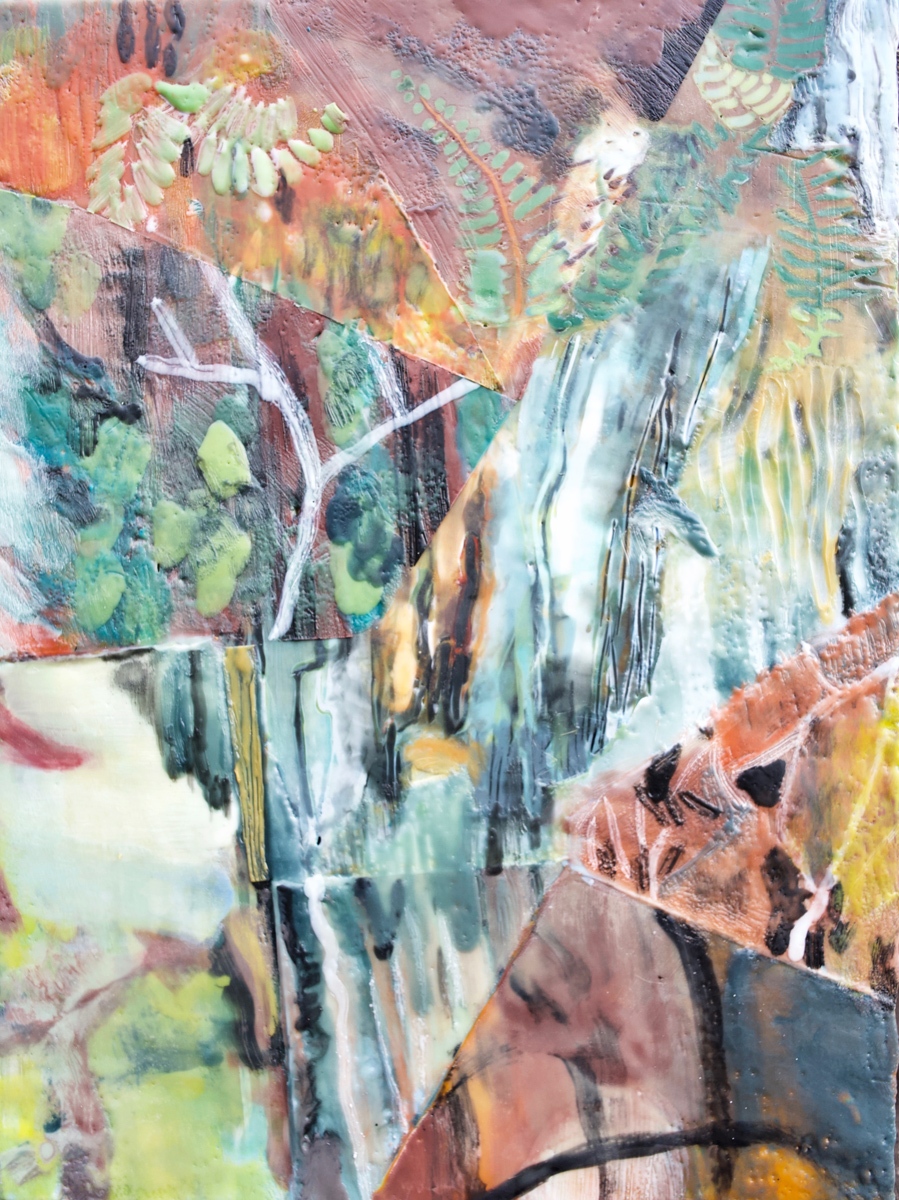
These forest landscapes are the result. They came about from experimenting with two different techniques; carved out clean lines and shapes contrasted with a more atmospheric soft blend of the wax medium. My aim was to create images that are representational yet self-referential to the construction of the painting through these opposing techniques.

Categories
Encaustic Gallery

New Encaustic Paintings 2014-18


Categories
Encaustic Gallery

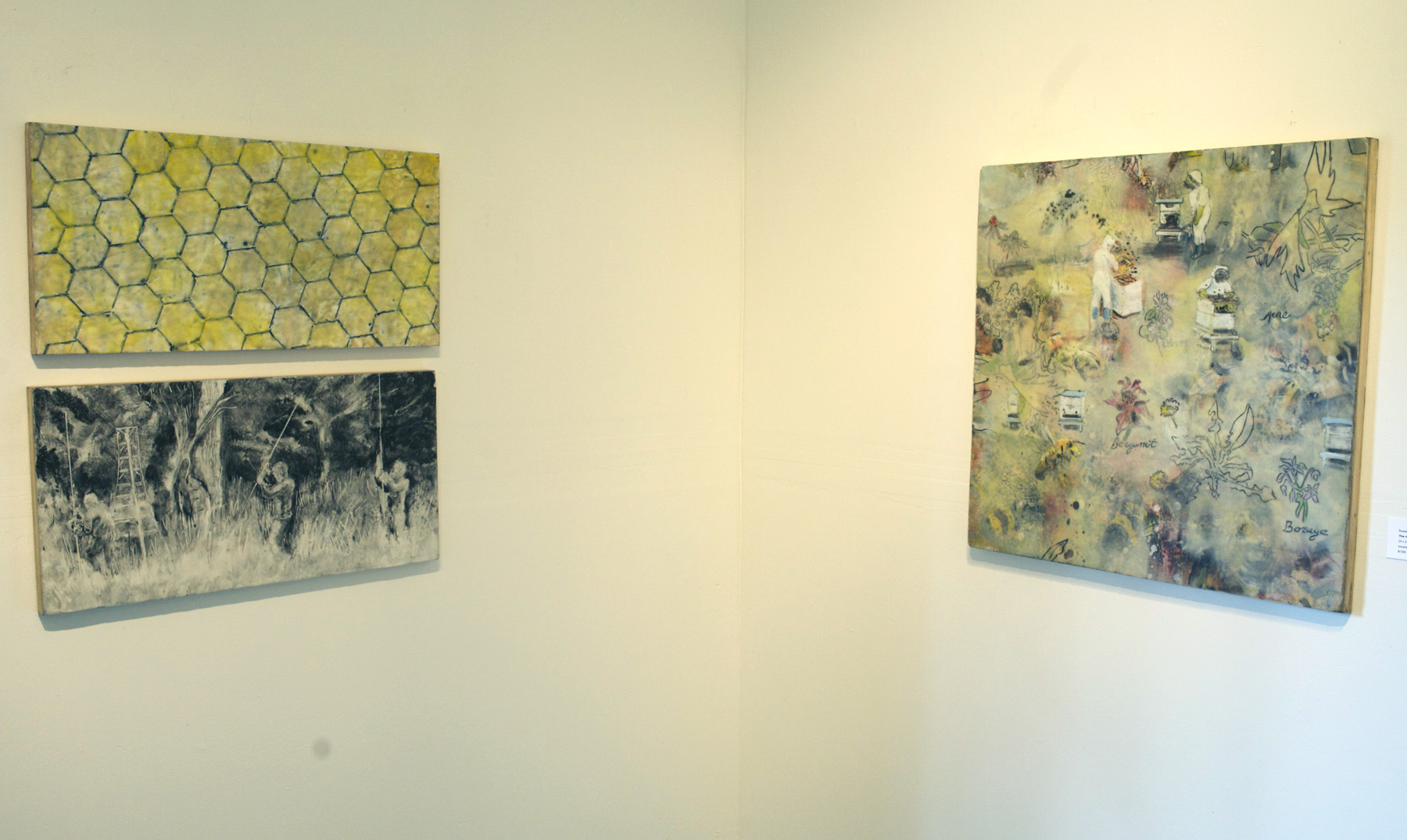
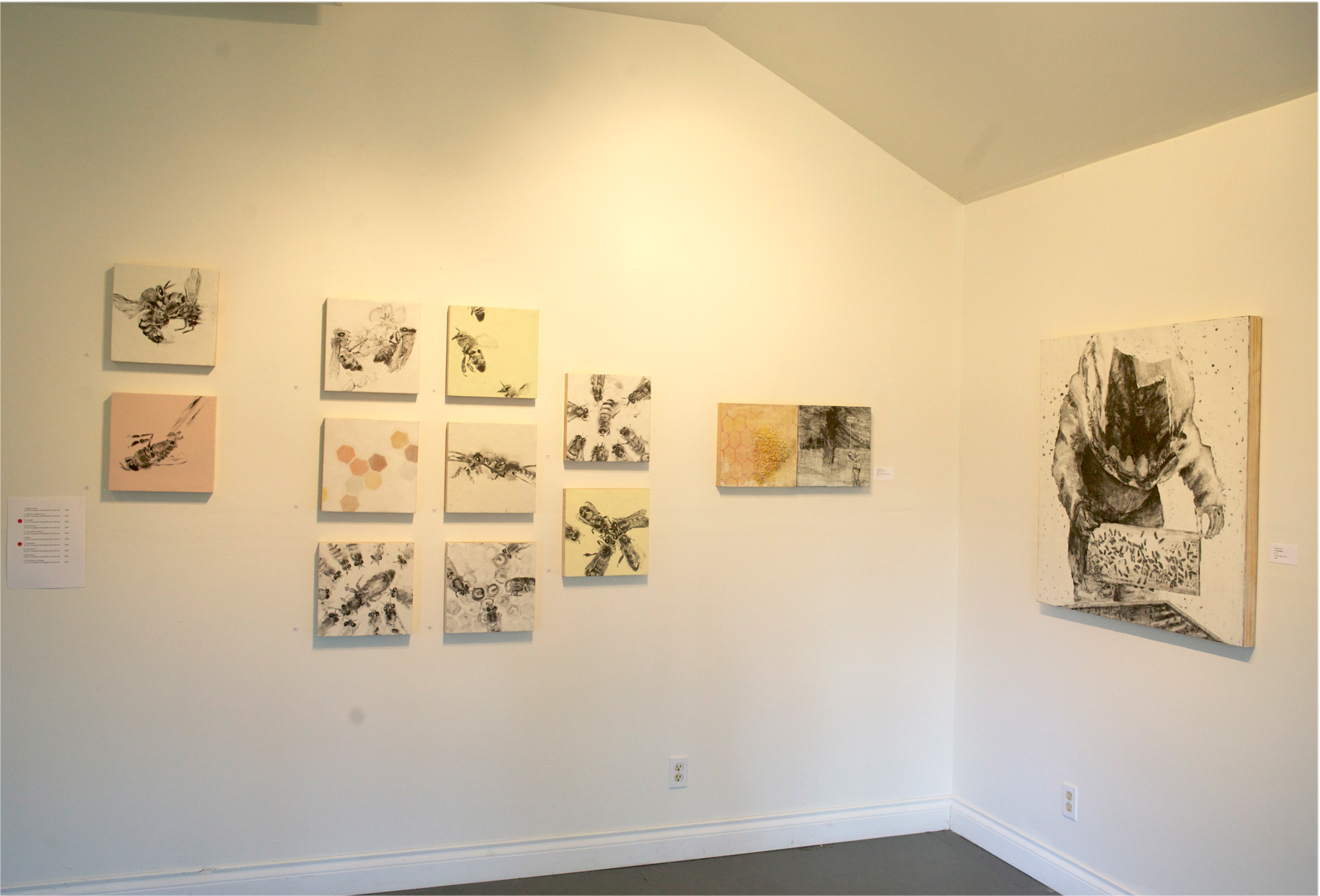
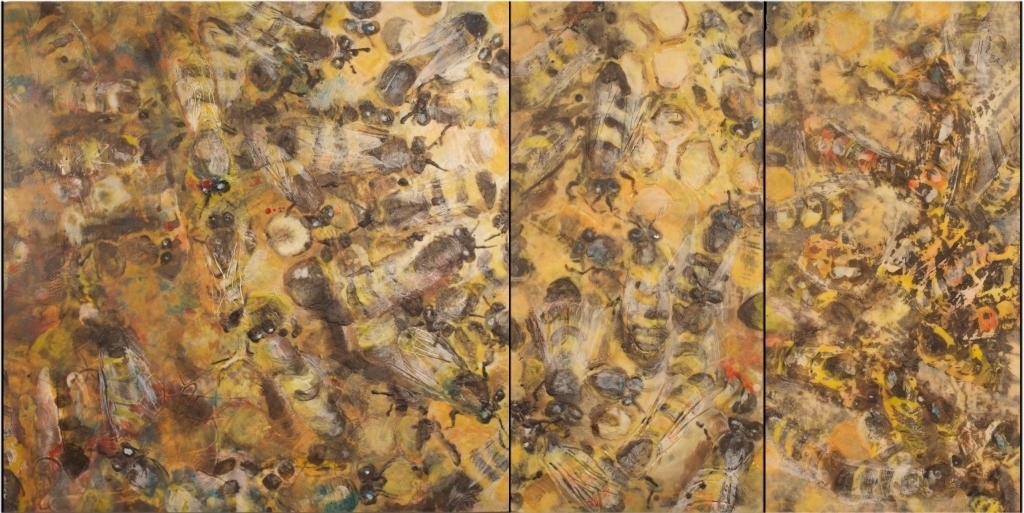
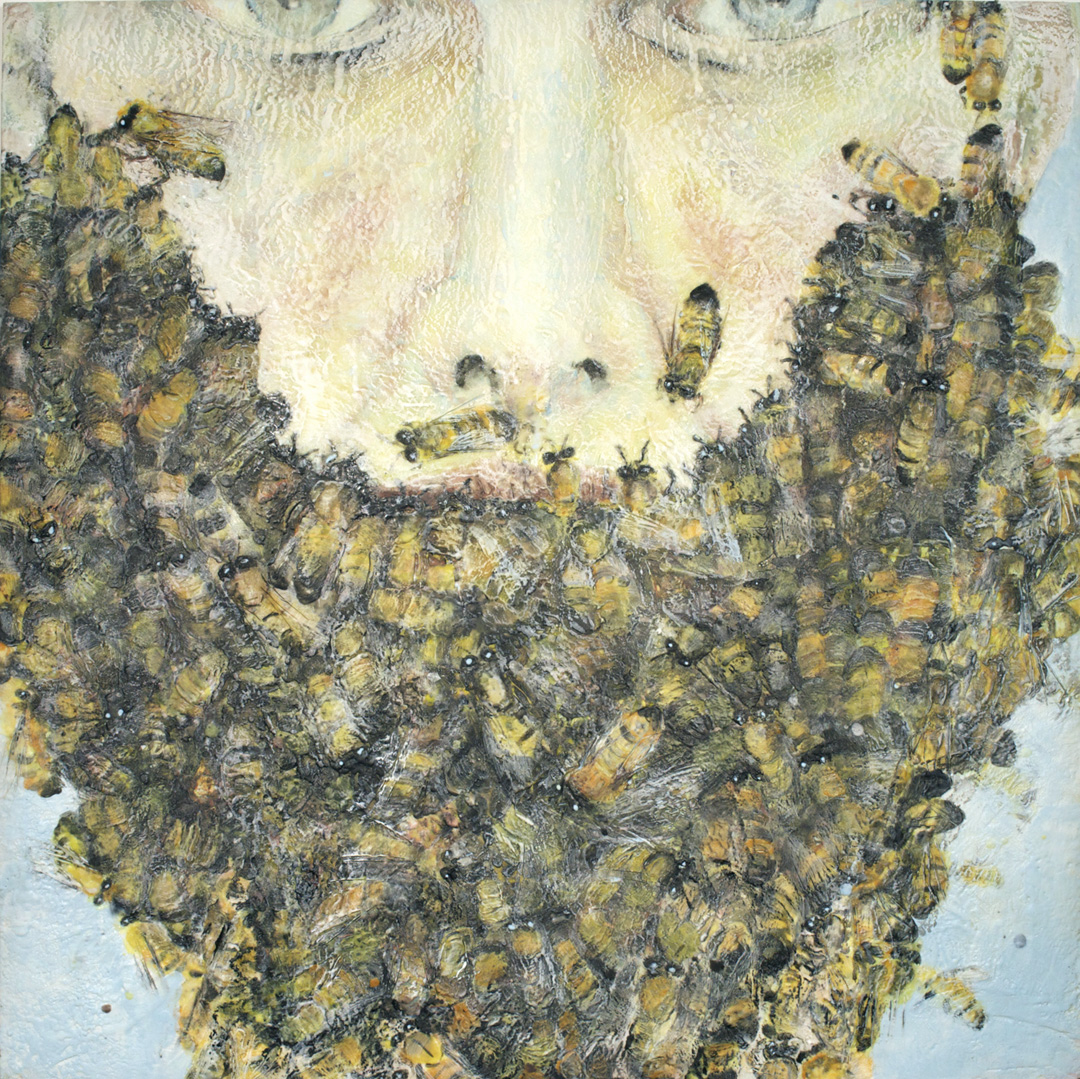
Apis Mellifera

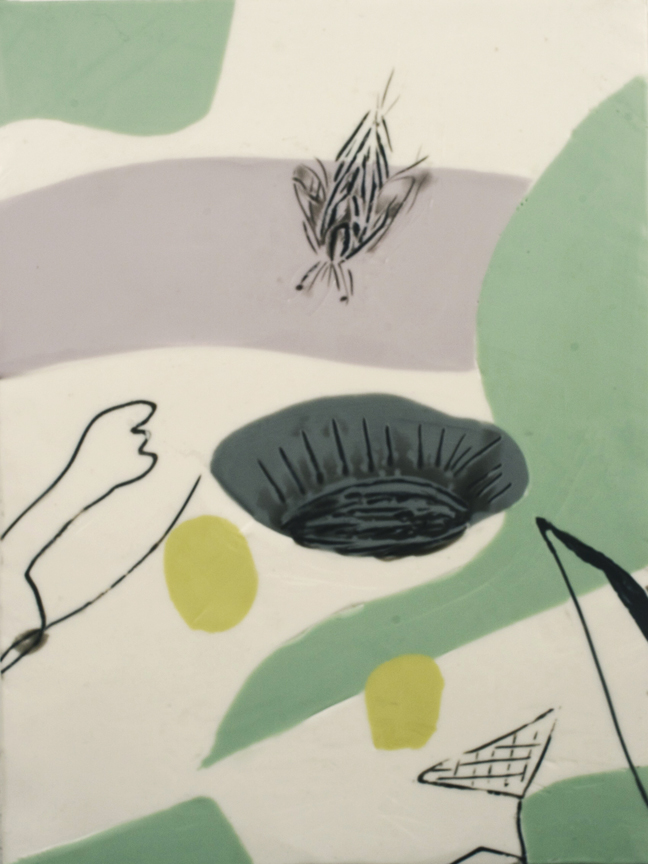
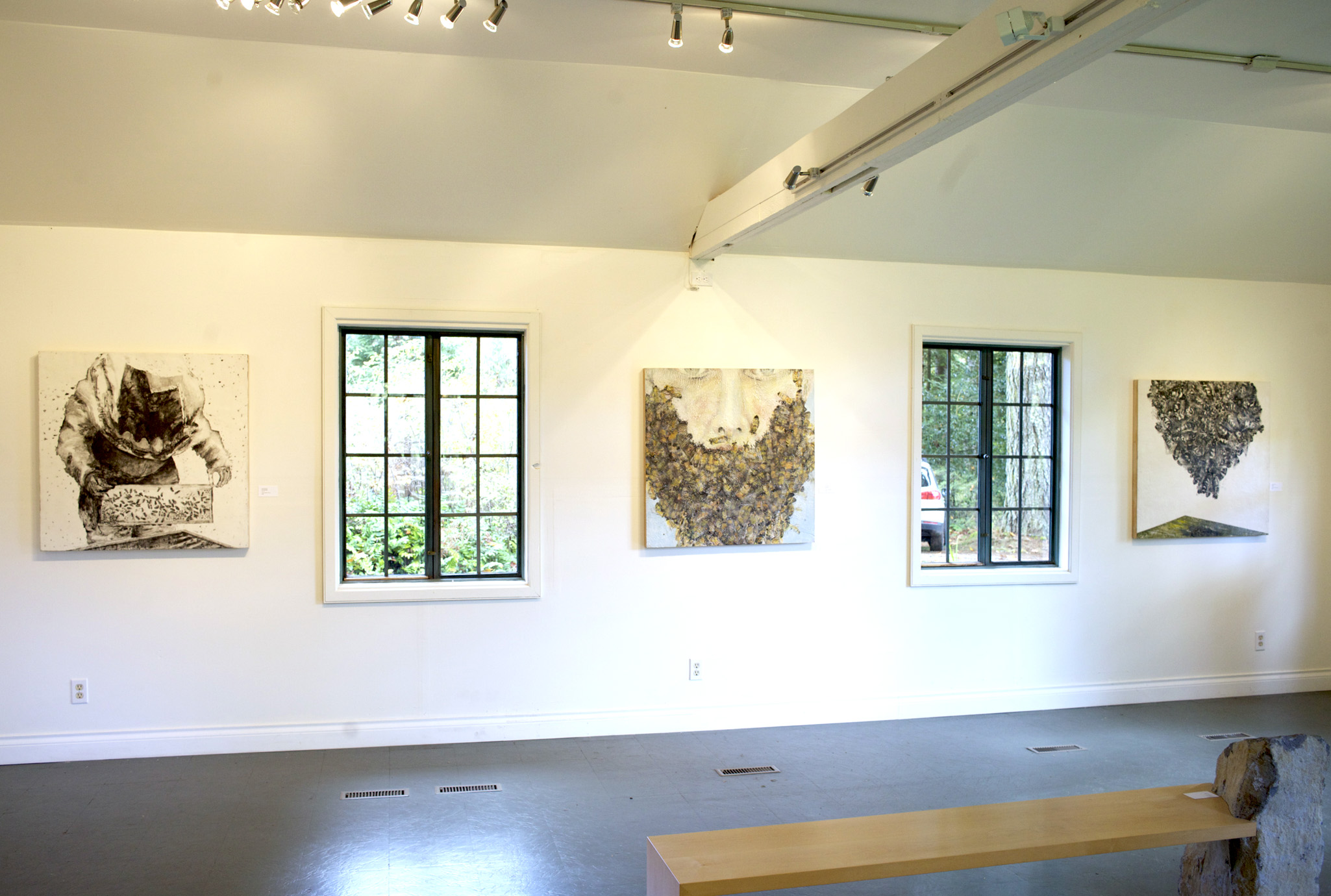
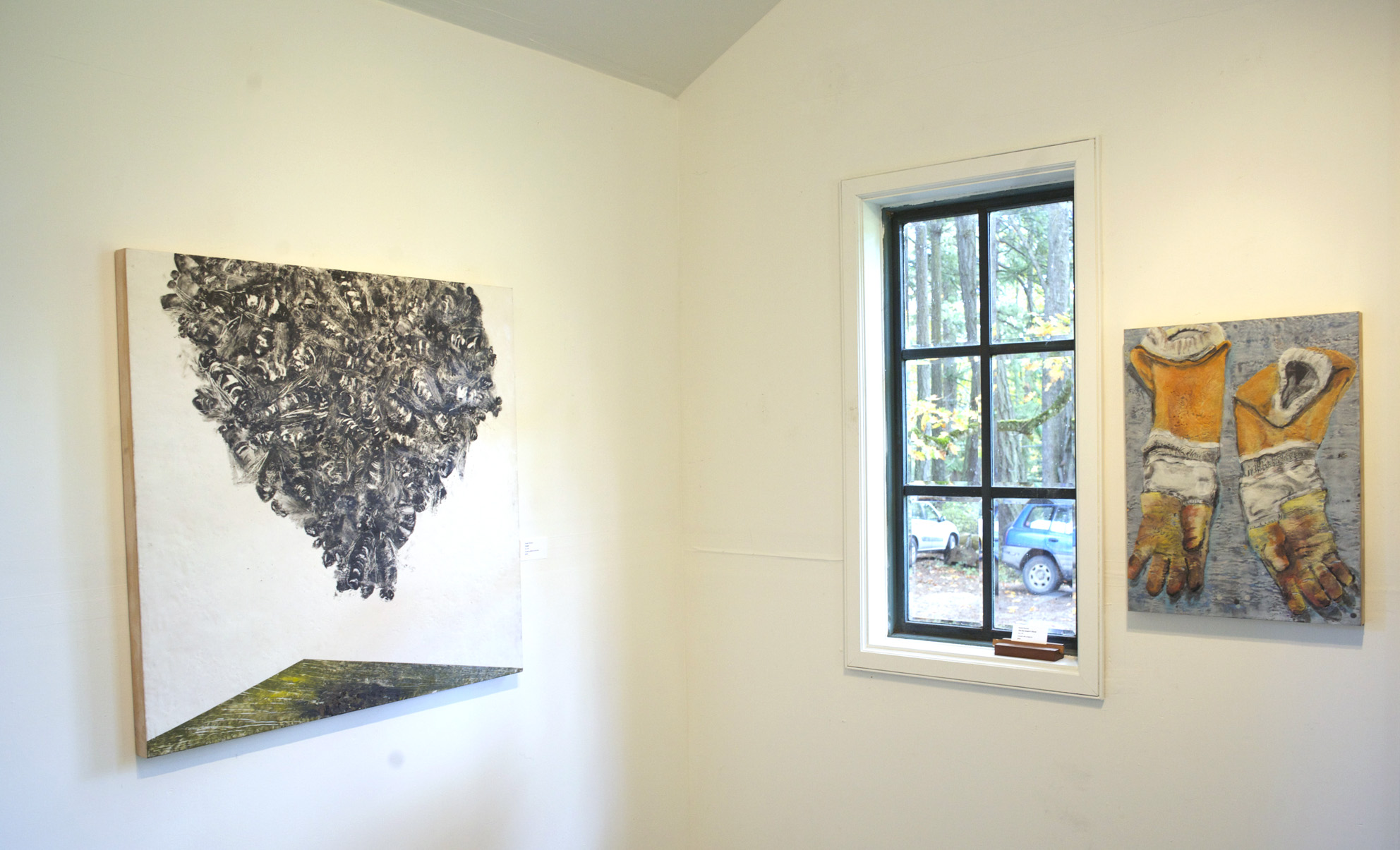
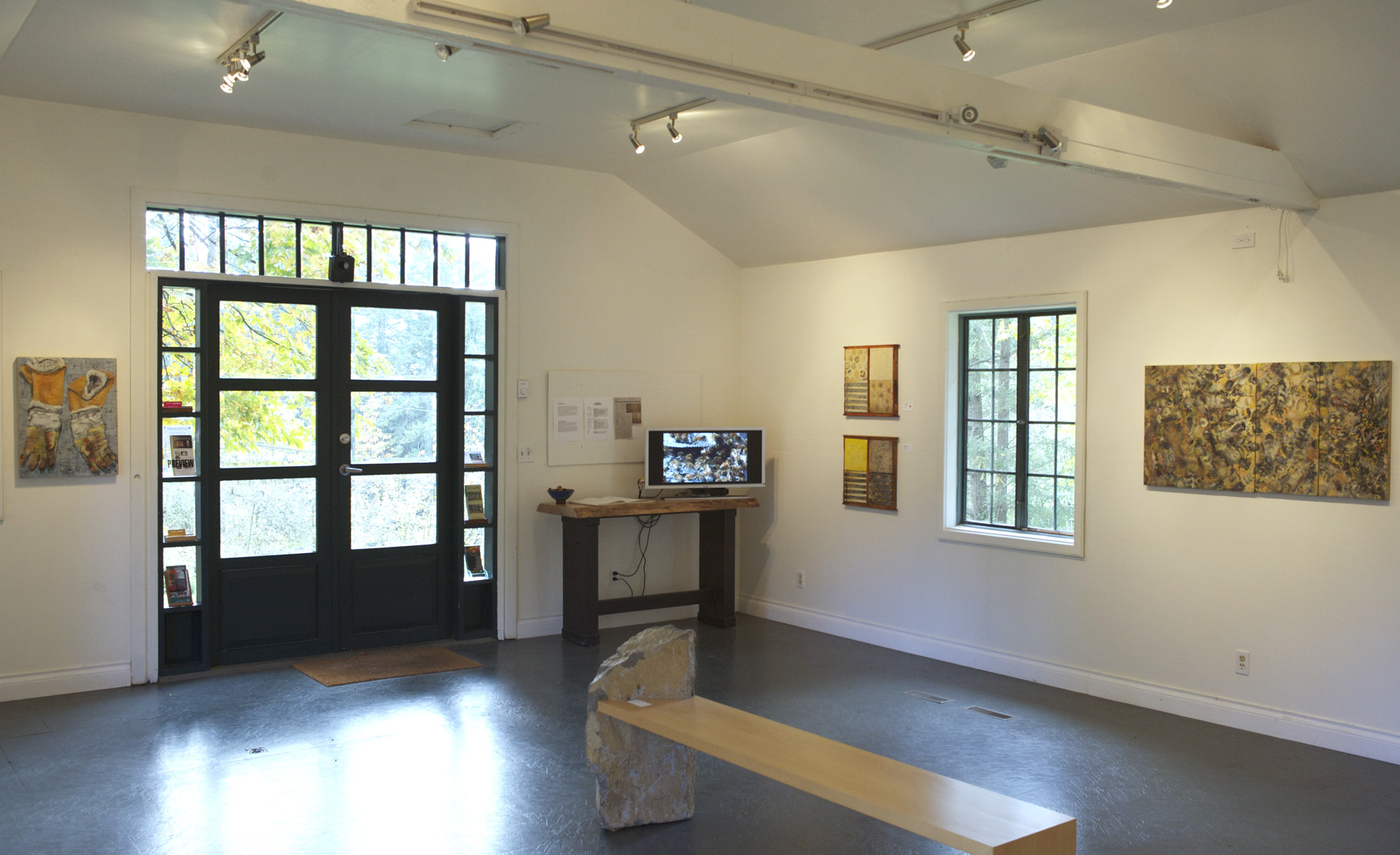
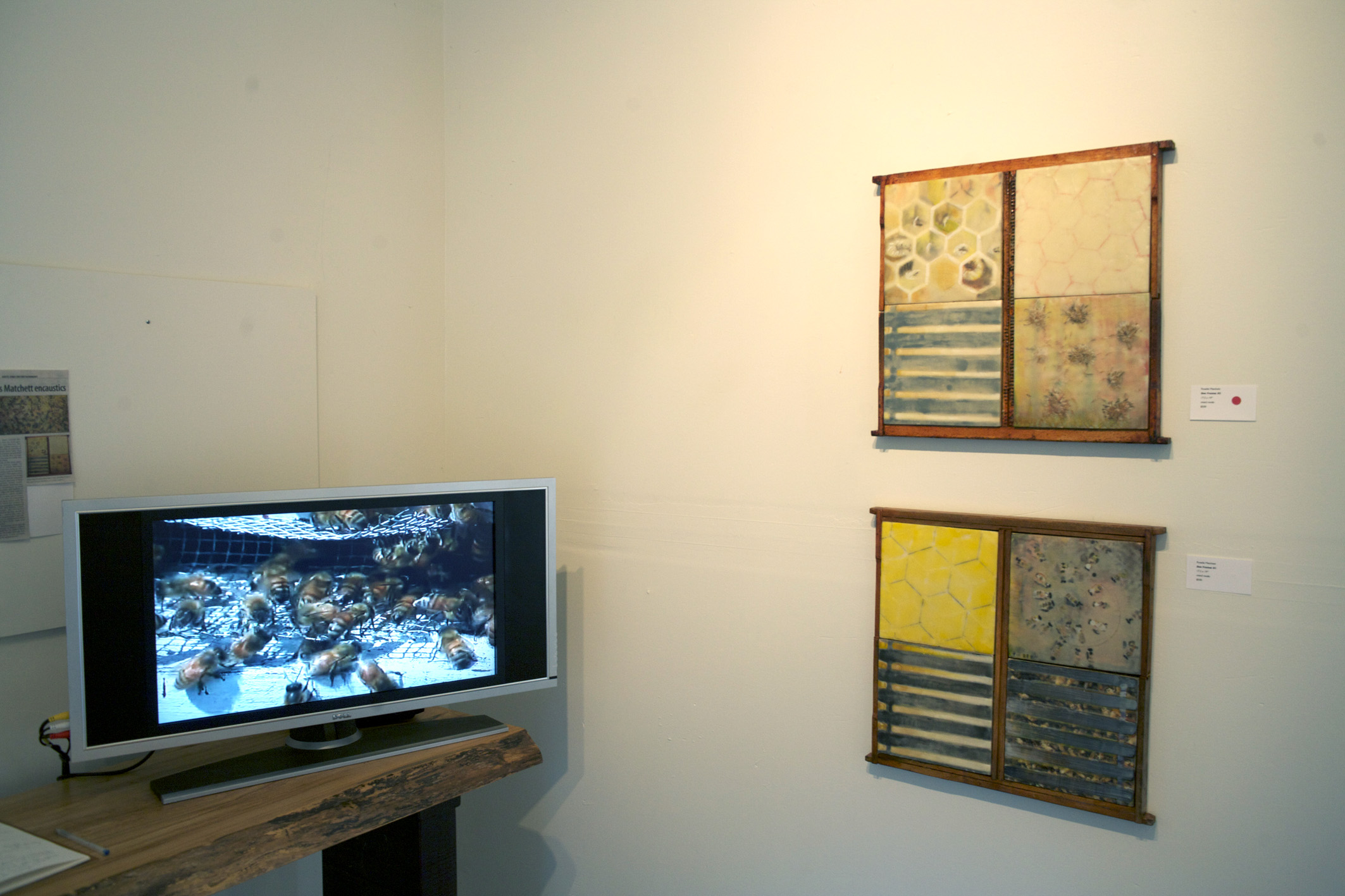
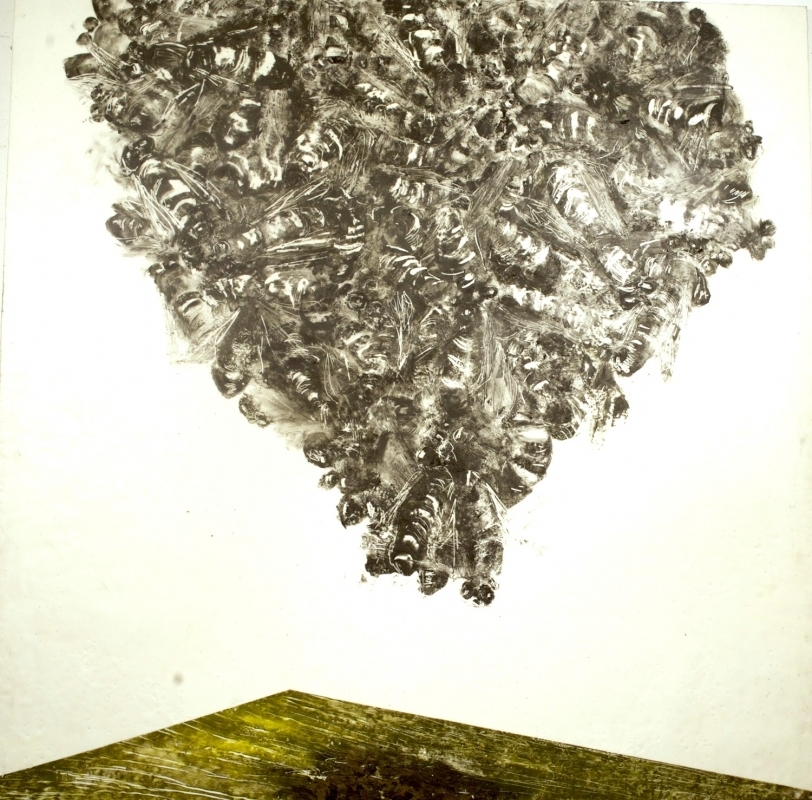
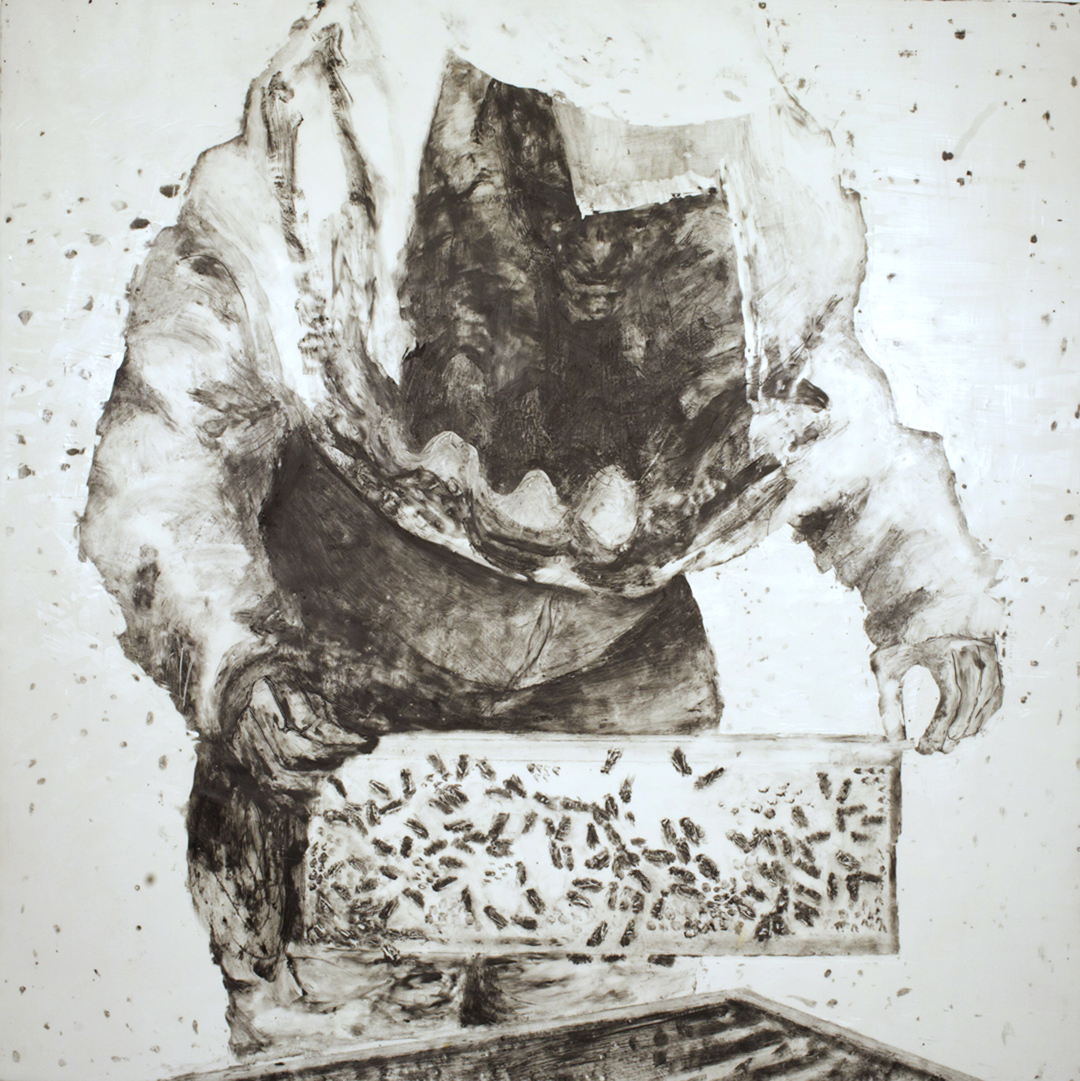
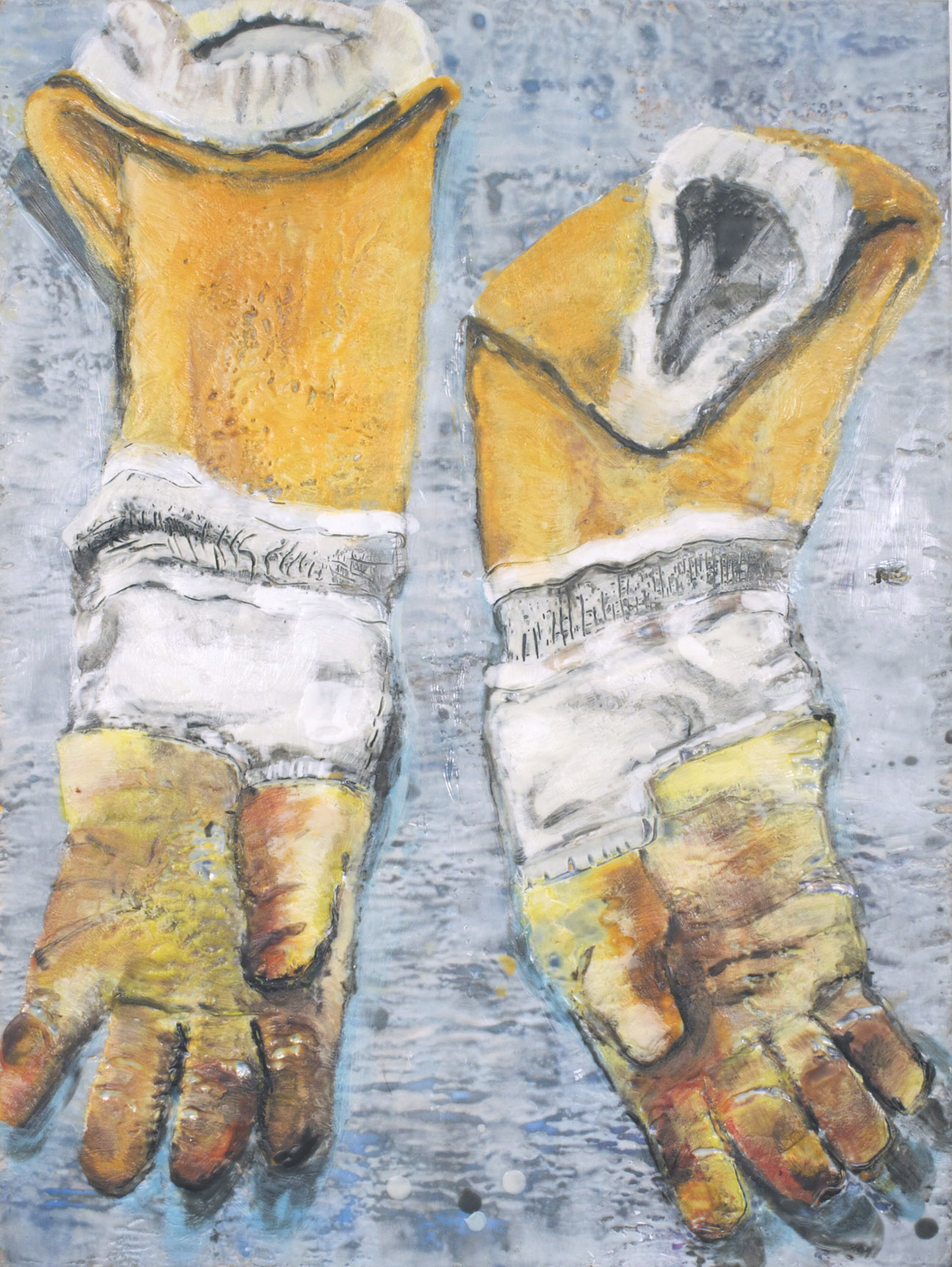
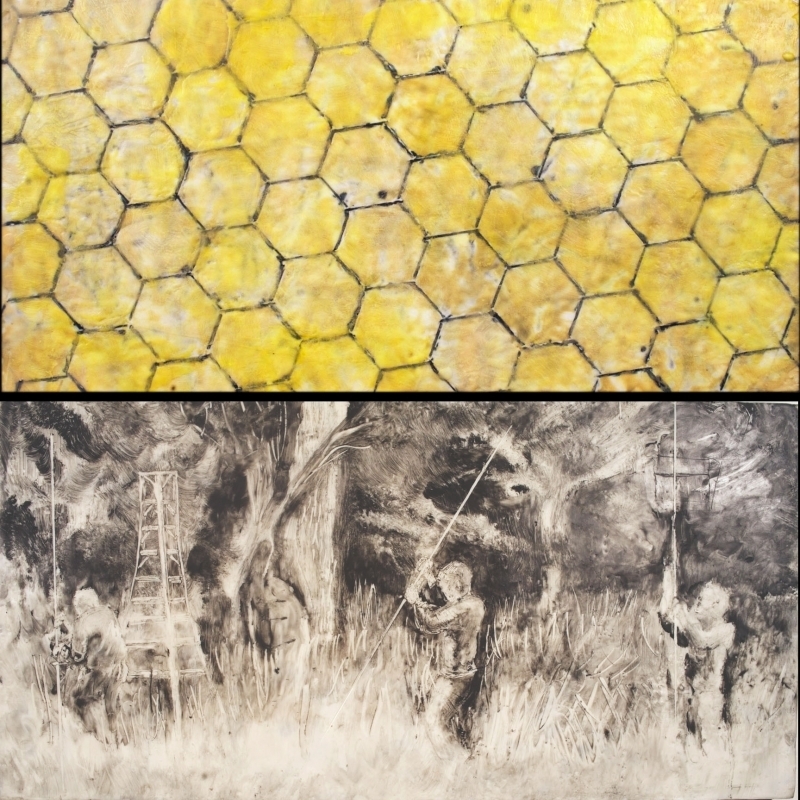
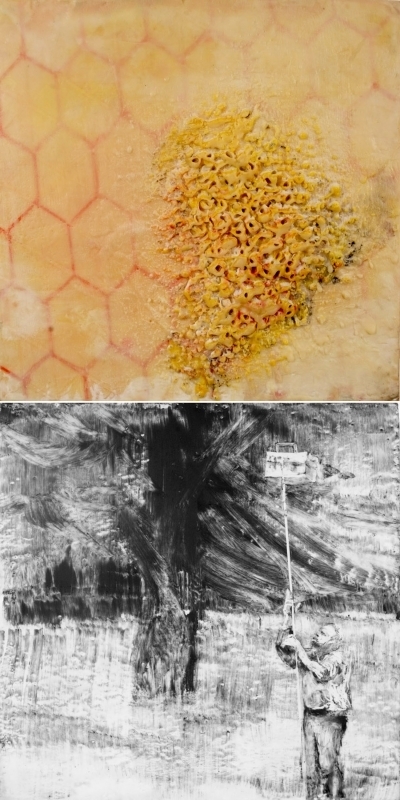
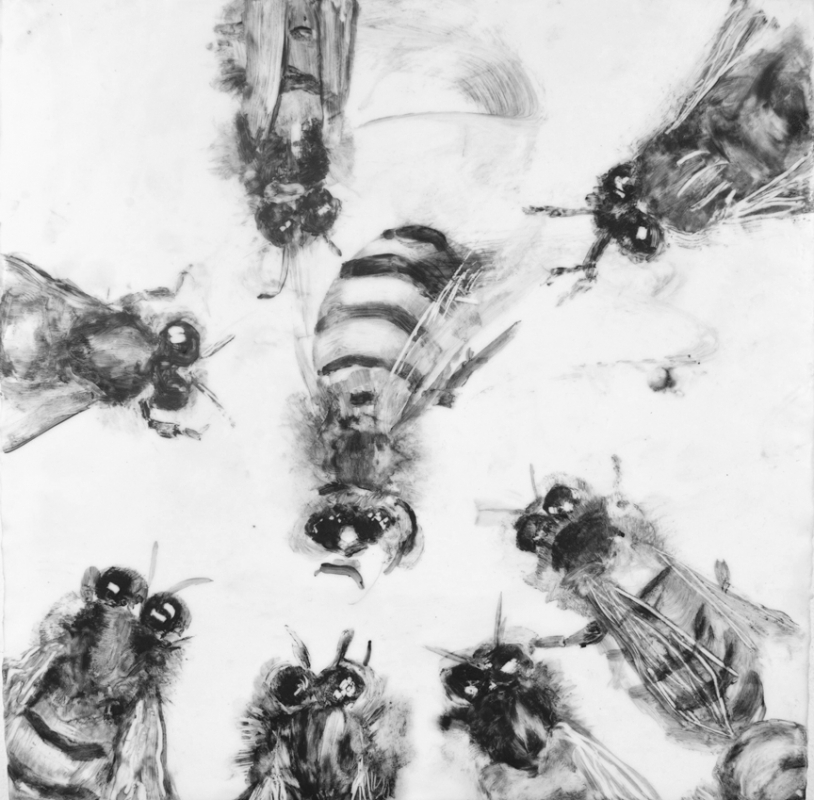
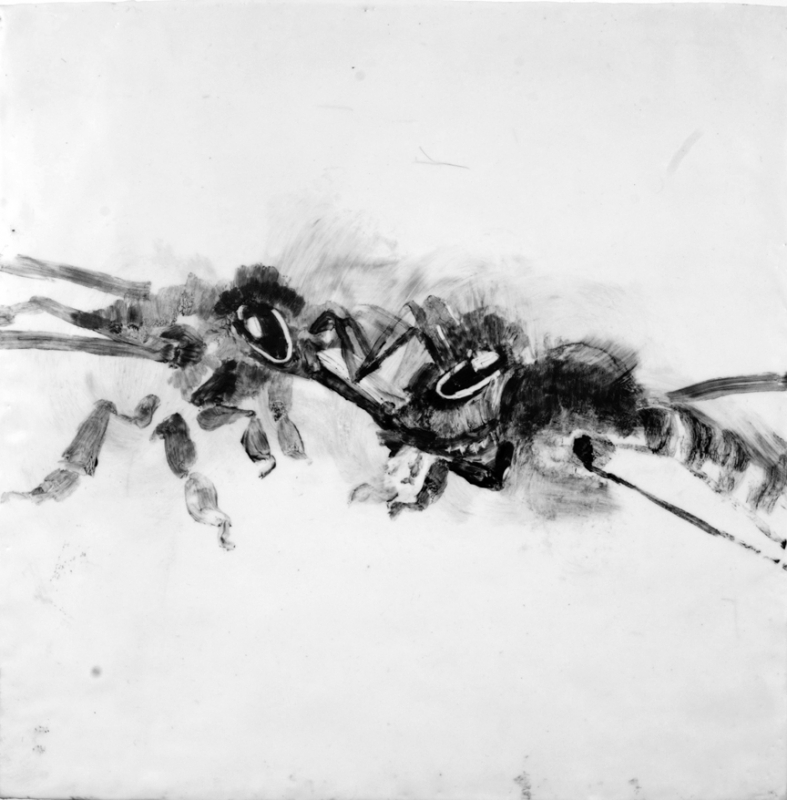
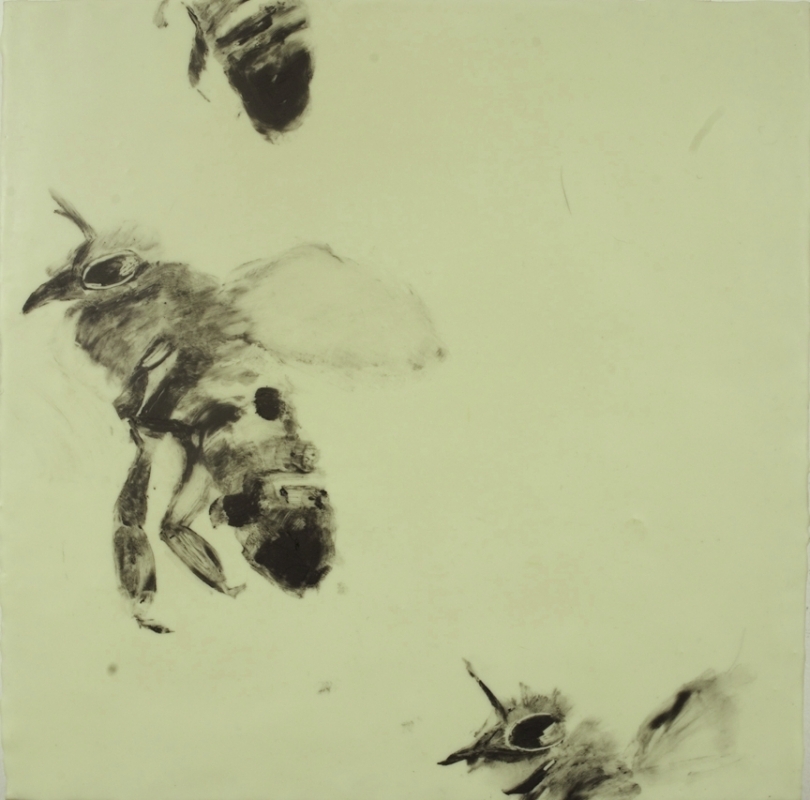
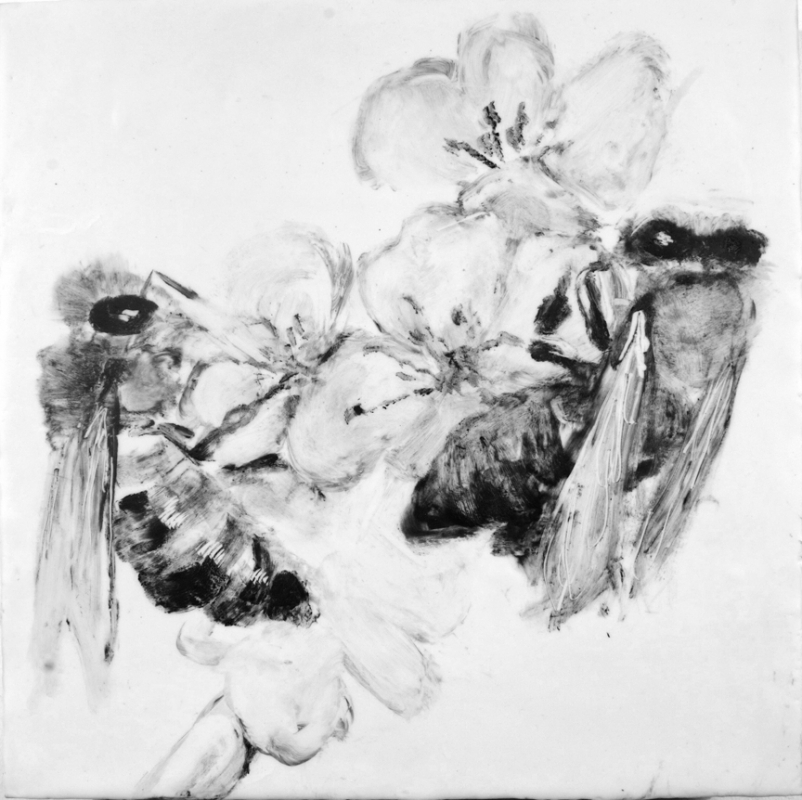
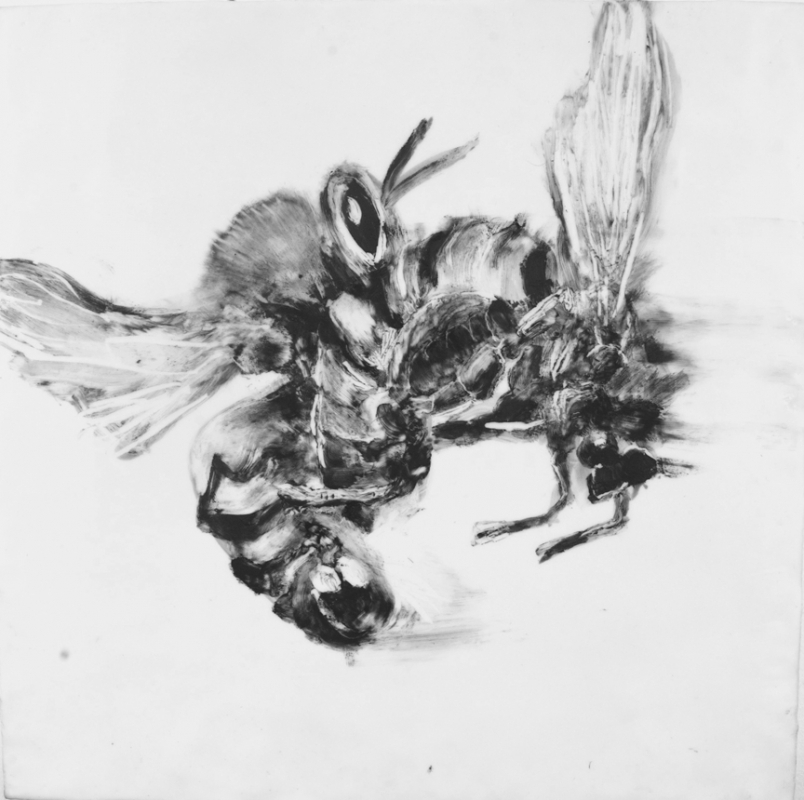
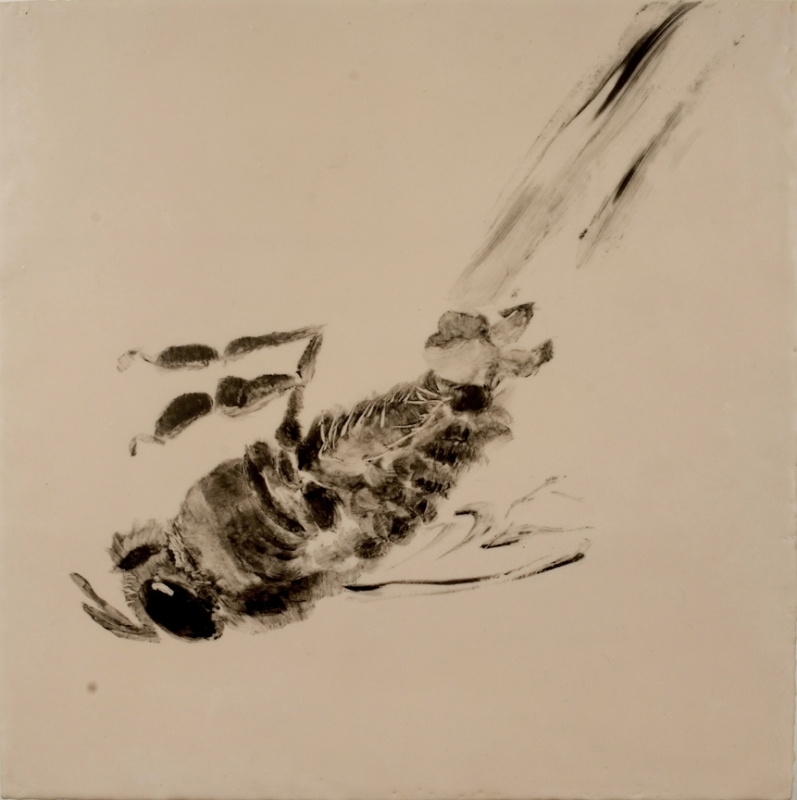
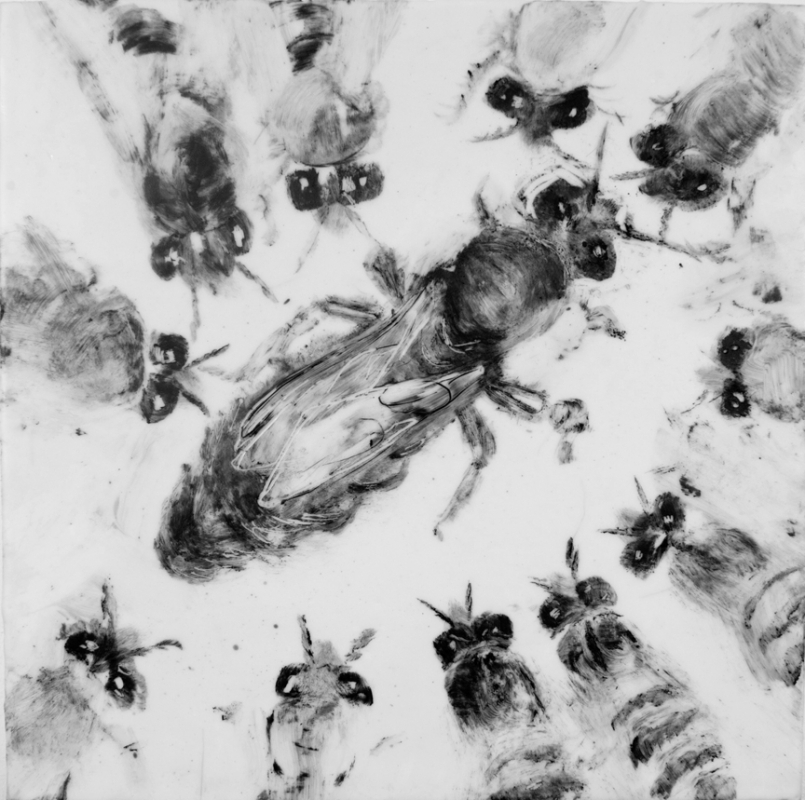
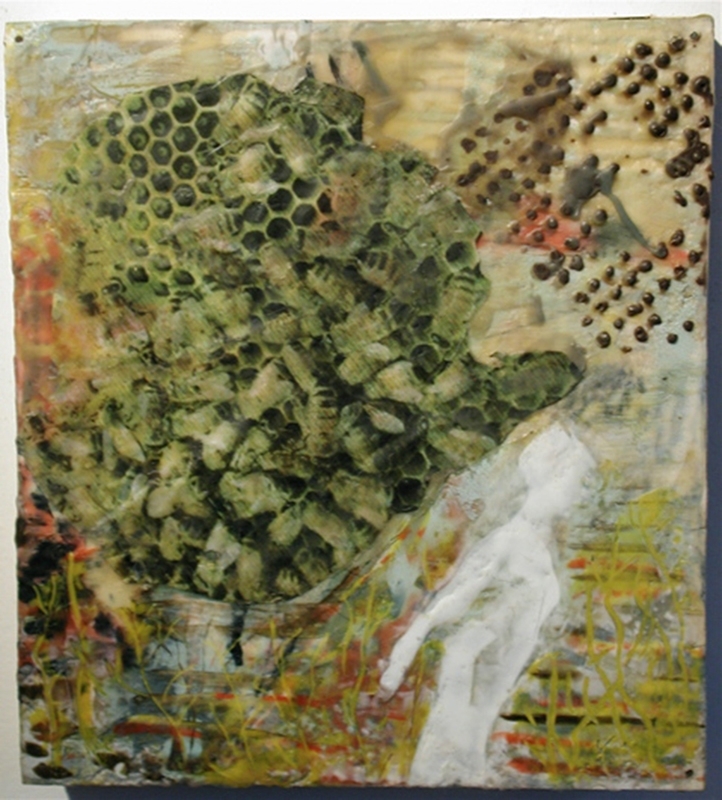
I became a hobby beekeeper shortly after I began working in encaustic. My thought was that I would be able to collect wax for my paintings. I soon realized I needed a lot more wax than my few hives could produce. Nevertheless I quickly learned to love having honey bees in our garden and became more and more fascinated by the life cycle of this social insect. I knew eventually I would do a series of paintings on bees and beekeeping. I didn’t know what it would look like though until I started working on it this past year.
I wanted to show the intensity and pulsing life force of a hive. A hive, made up of thousands of bees, acts like one organism. Each hive has its own character. Some are lazier than others, even under the same conditions. The hive communicates to its various parts through dance, taste, smell and touch. As with so much in life the more I have learned about bees the more mysterious and wonderful they become.

Categories
Encaustic Exhibitions Gallery Svalbard

Salvaged Artifacts & Stories


August 22 – September 14 2014
Mahon Hall, 114 Rainbow Rd, Salt Spring Island

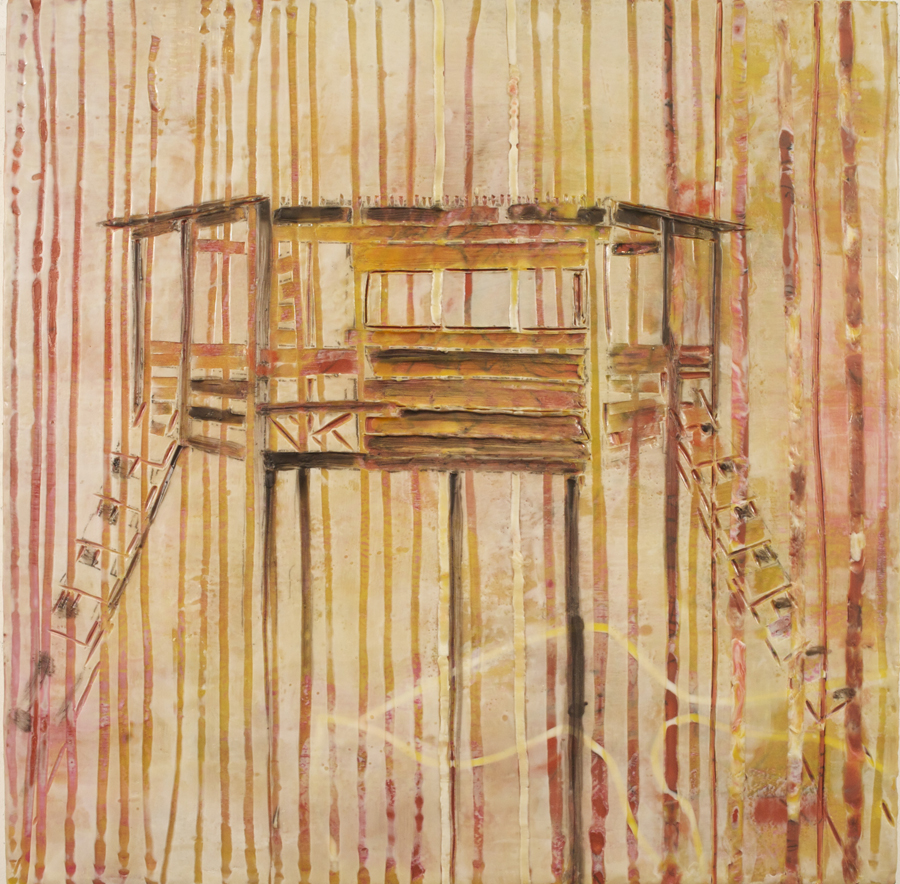
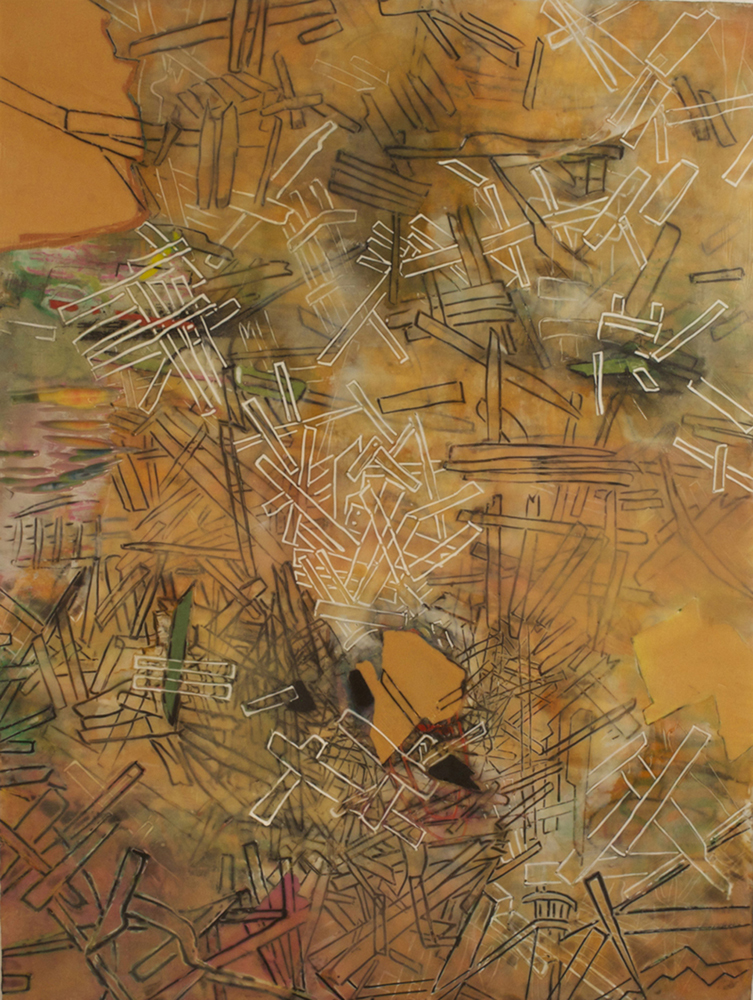
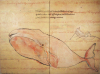
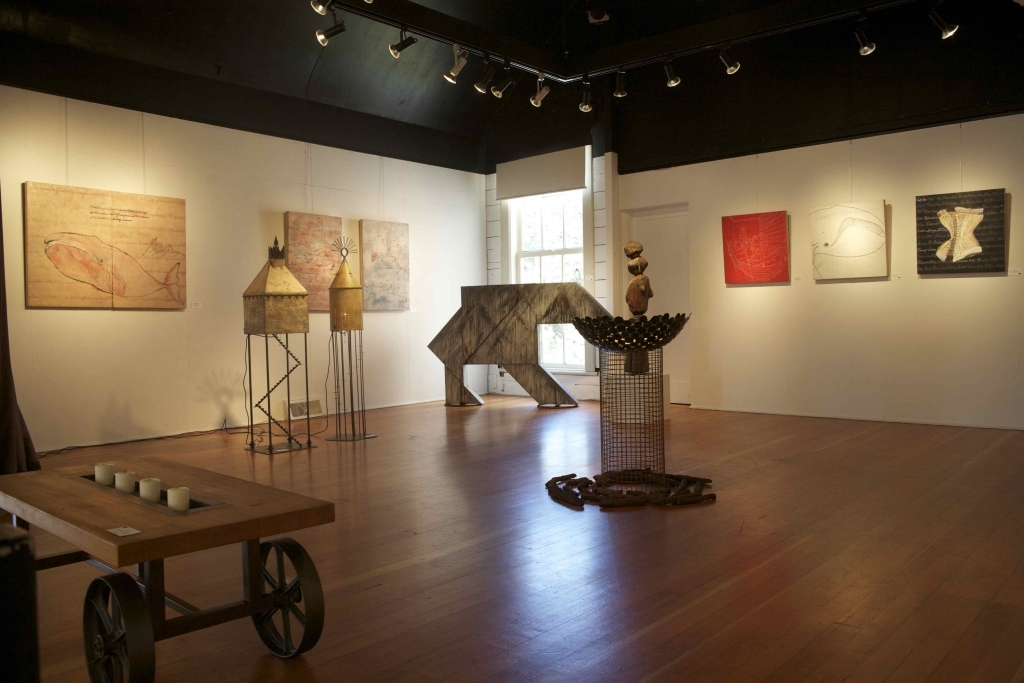
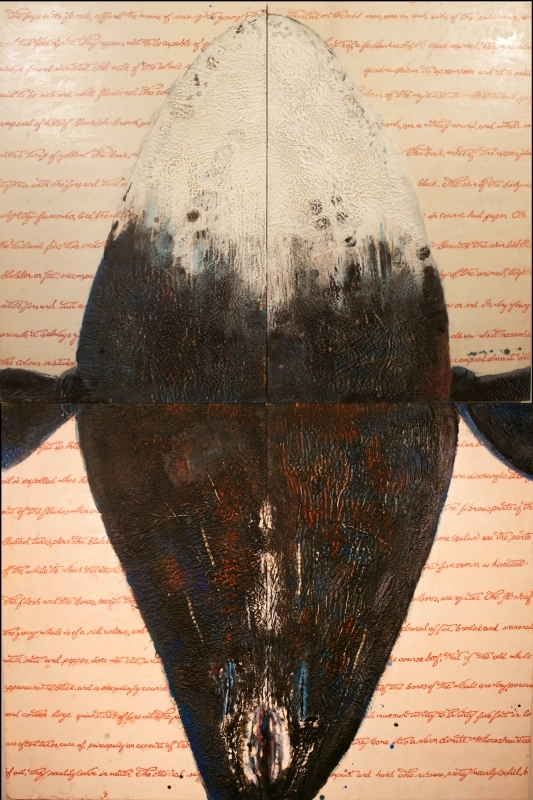
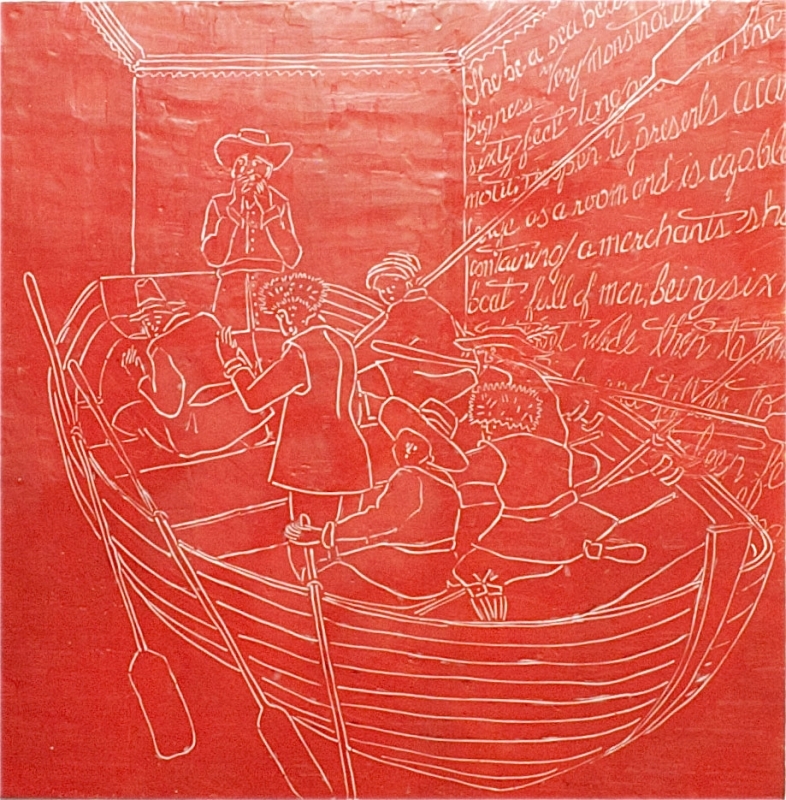
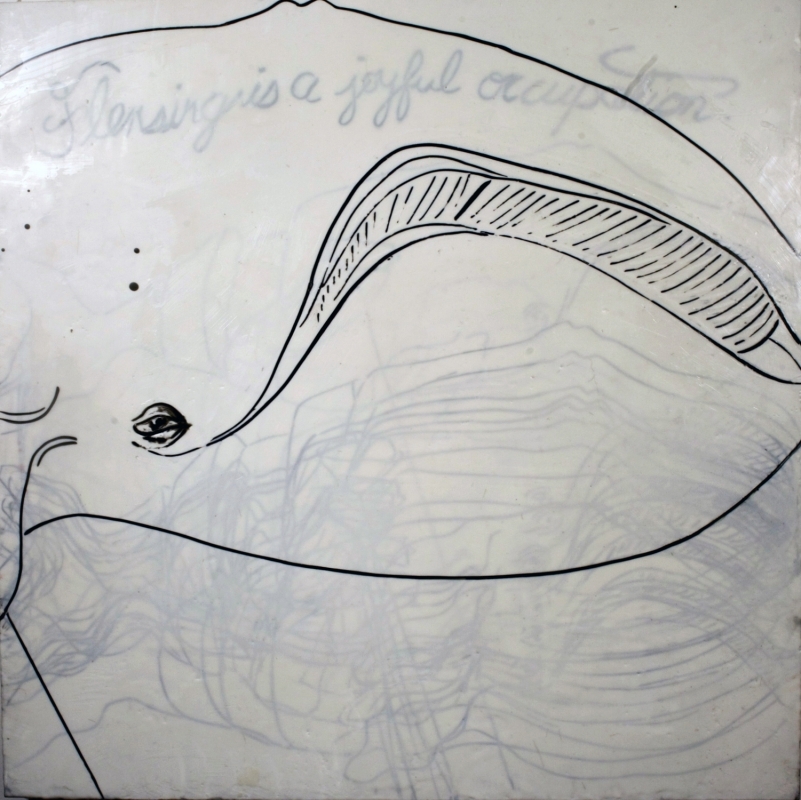
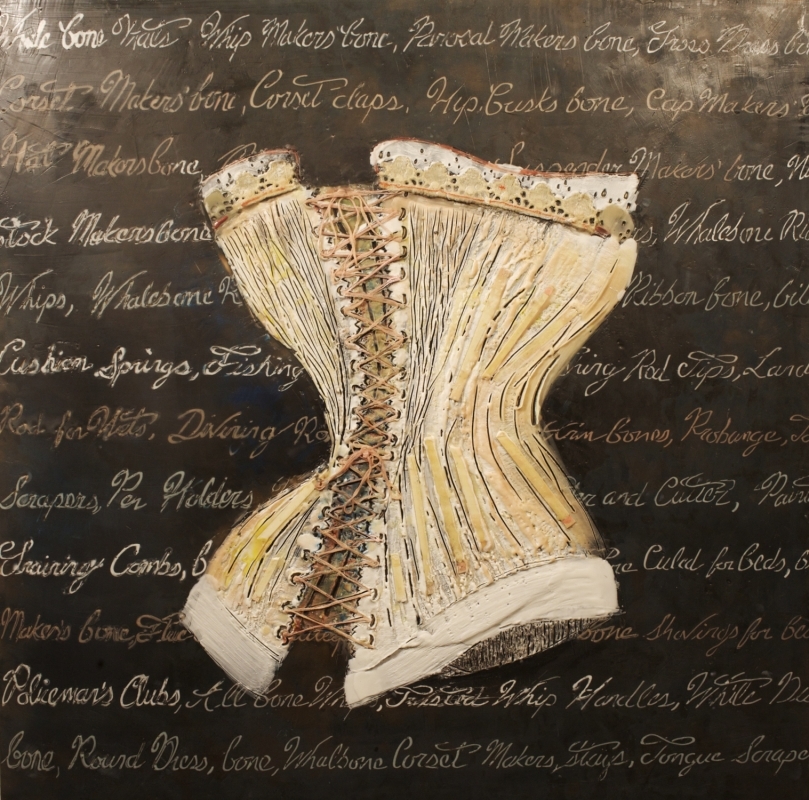
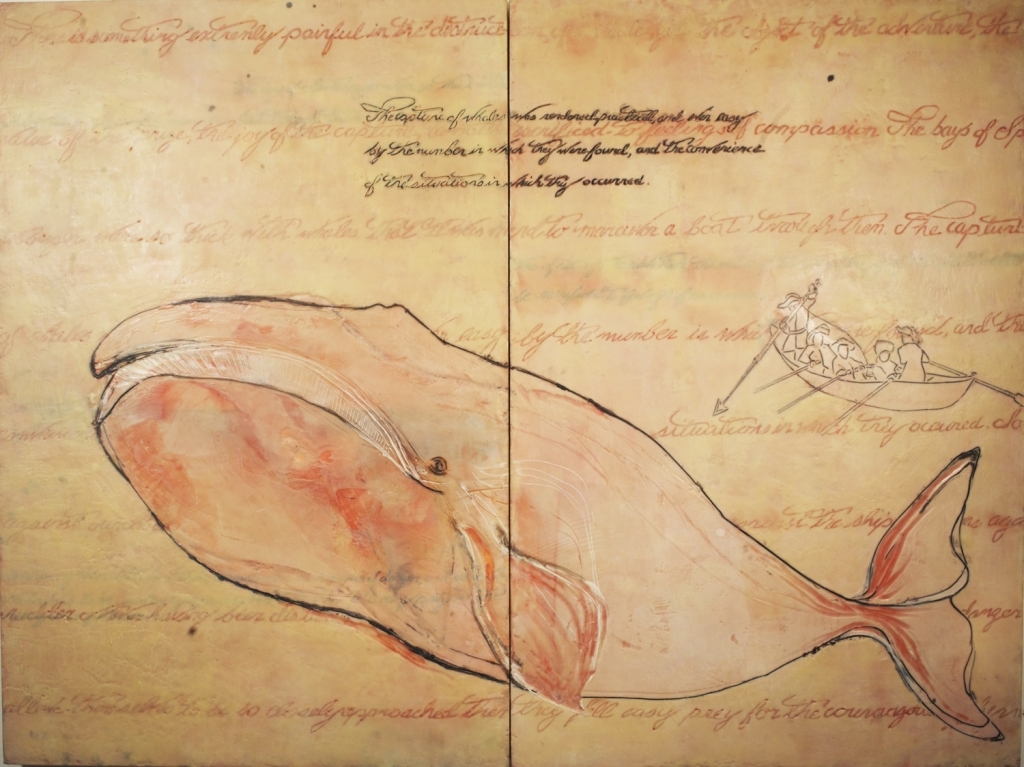
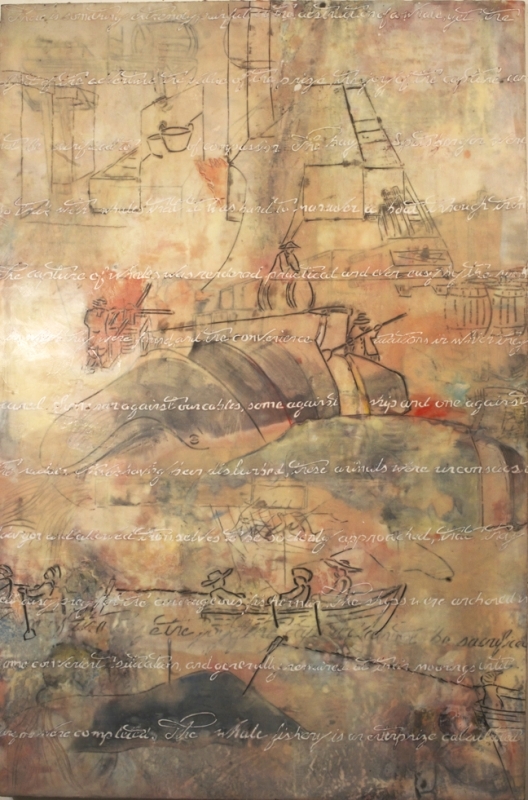
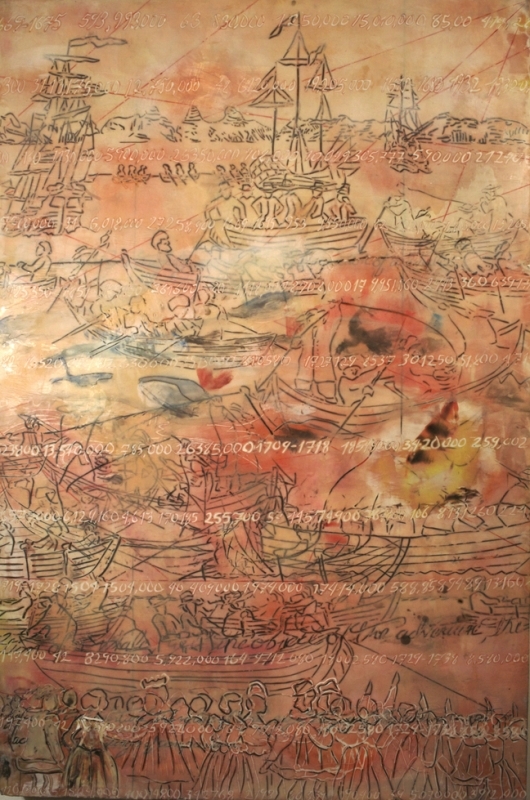
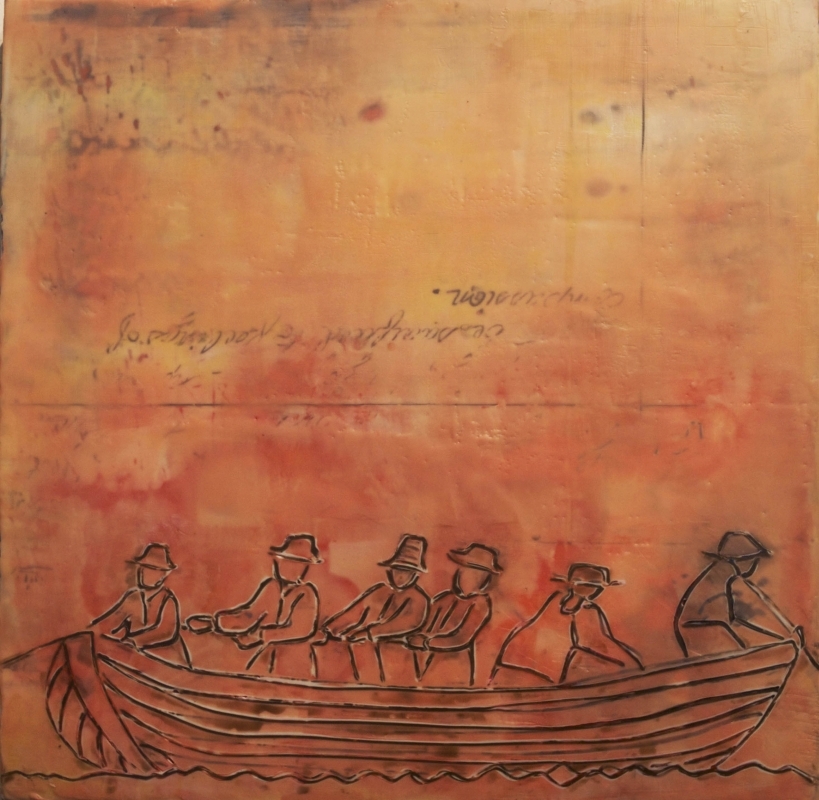
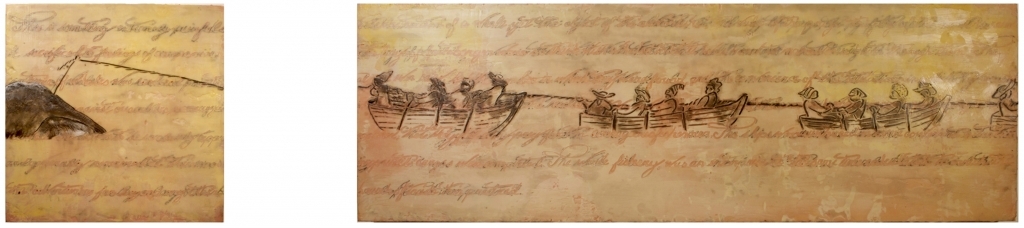
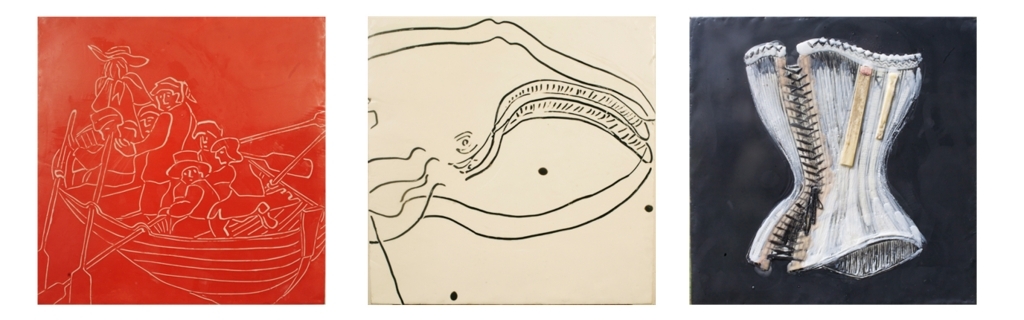
Delving into historical documents is like exploring a culture so foreign that it seems incomprehensible. Assumptions made in the past are often completely contrary to what is believed today. Yet there is always something to latch on to, some thread that brings one right back to the present. Part of my exploration of the history of whaling in the 17th and 18th centuries was to read journals by whalers and historical accounts of the industry. I also poured over whatever images I could find showing the various systems used for slaughter and processing of the whales. As the industry grew the systems become more efficient and economical. Despite the primitive tools used the sheer numbers of people involved in the whaling industry enabled them to kill enough whales to bring the bowhead species to the brink of extinction in just a short period of about 100 years. Only after the industry had developed ways to process whales at sea did European whalers move away from the islands surrounding Spitsbergen and shift to the western arctic, where they discovered a new bounty of bowhead and right whales. There was money to be made in whaling. It was grueling harsh work for the young men who manned the boats and flensed, cut up and boiled the blubber. Many lives were lost at sea. Frenzy is a word I kept thinking about while making this series. I wanted to show the repetition of a systematic slaughter of the whales and to create a feeling of hysteria and claustrophobia. At the same time I always wanted a reference to the historical material from which I was gleaning my information. Hence I chose to write cursive extracts from both journals and historical accounts I drew on, and to emulate drawings of the period to give a sense of time and place. I chose a pink and brown background hue reminiscent of old paper documents, whale blubber and the flesh under the skin. The translucence of the encaustic medium enables me to create layers of both reveled and partially hidden images that act like visual cues to the almost forgotten threads of our past.

Categories
Encaustic Exhibitions Gallery Svalbard

Whalebones, Blubber & Other Relics of First Oil; Show at the Duthie Gallery

April 4 – 29 2014

Duthie Gallery, Salt Spring Island

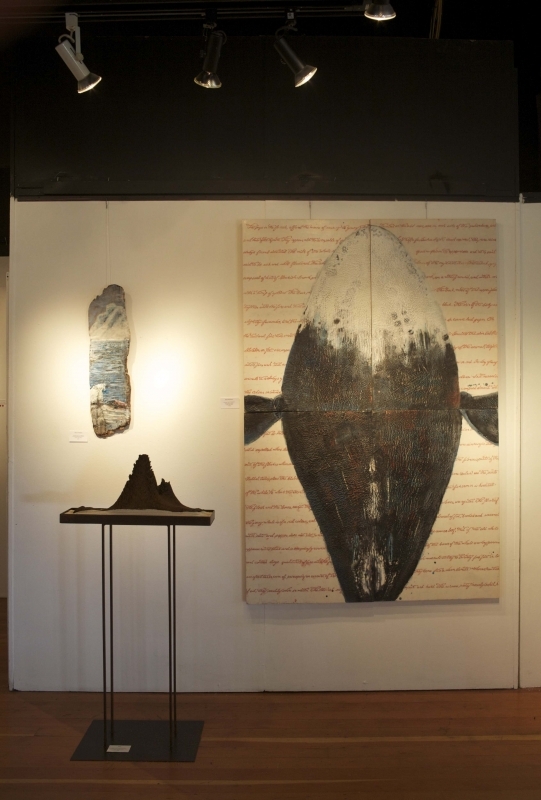
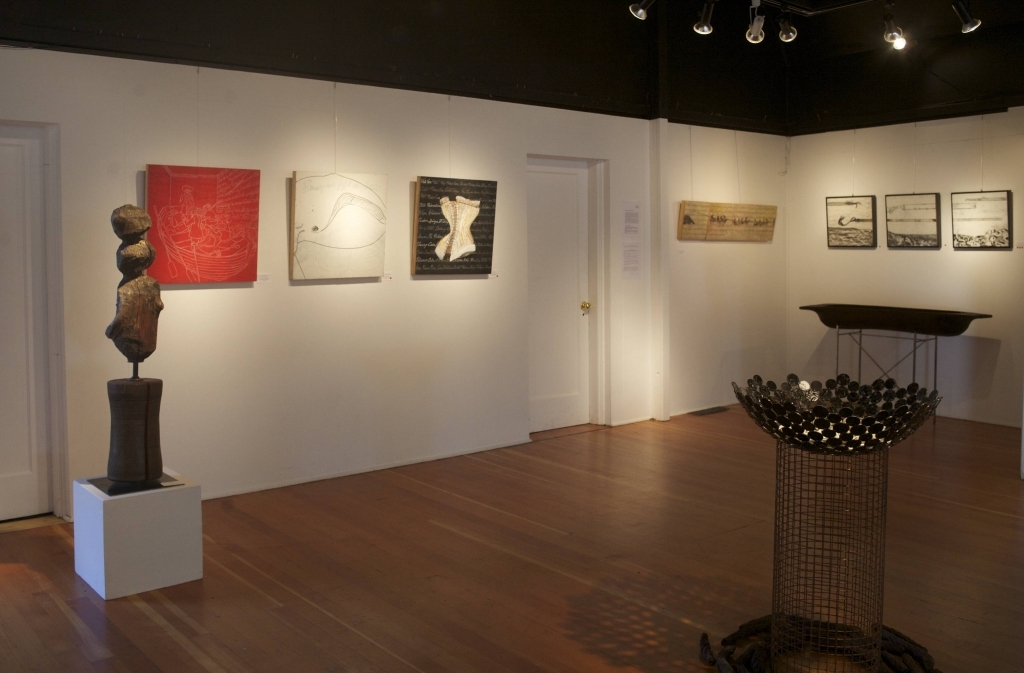
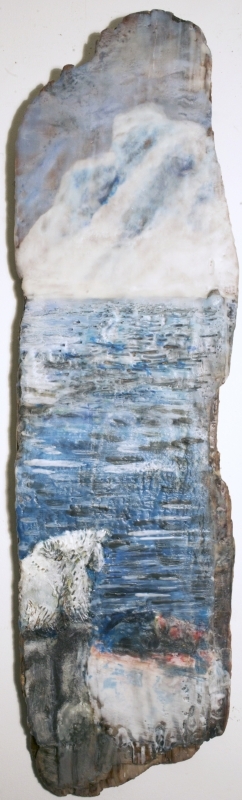
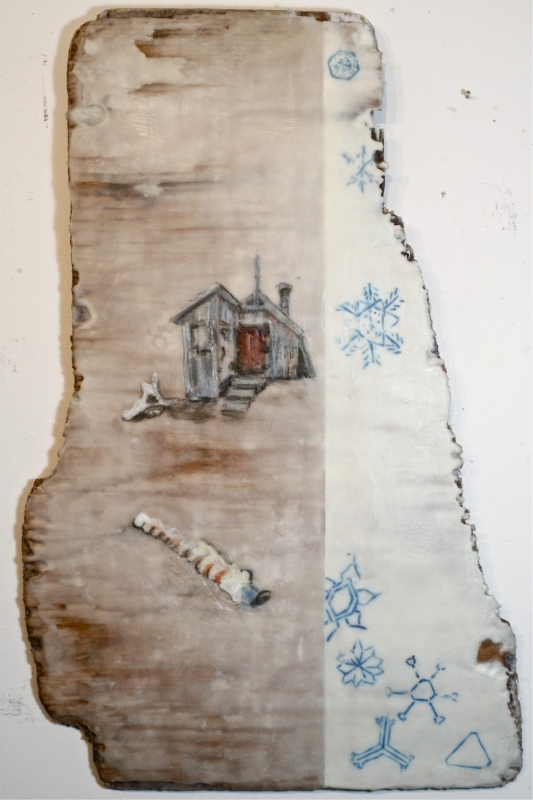
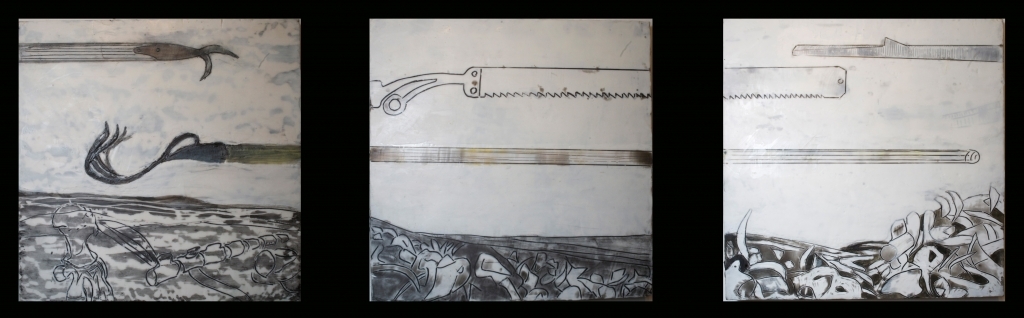
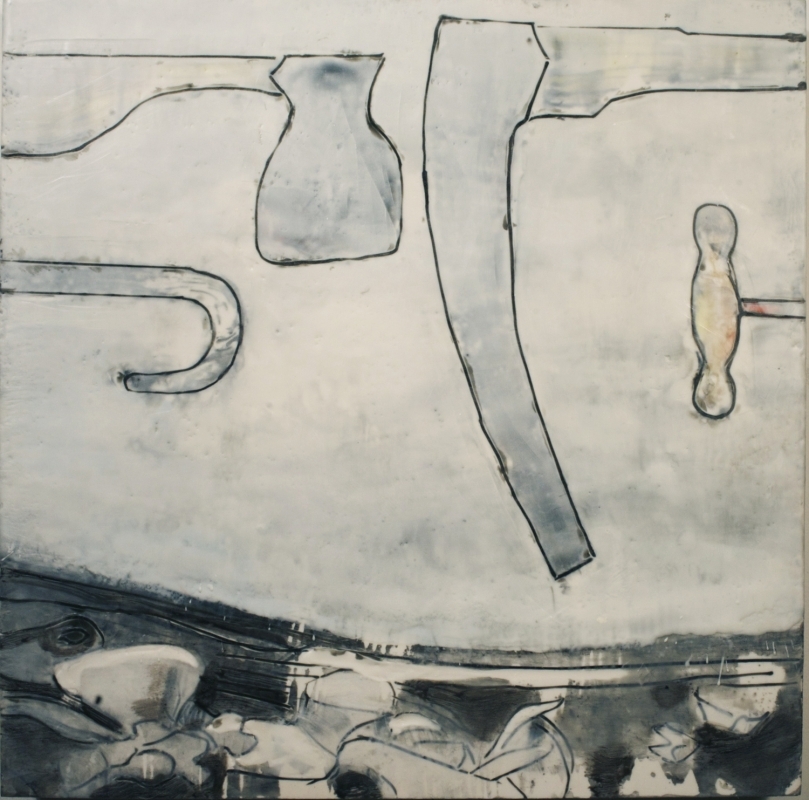
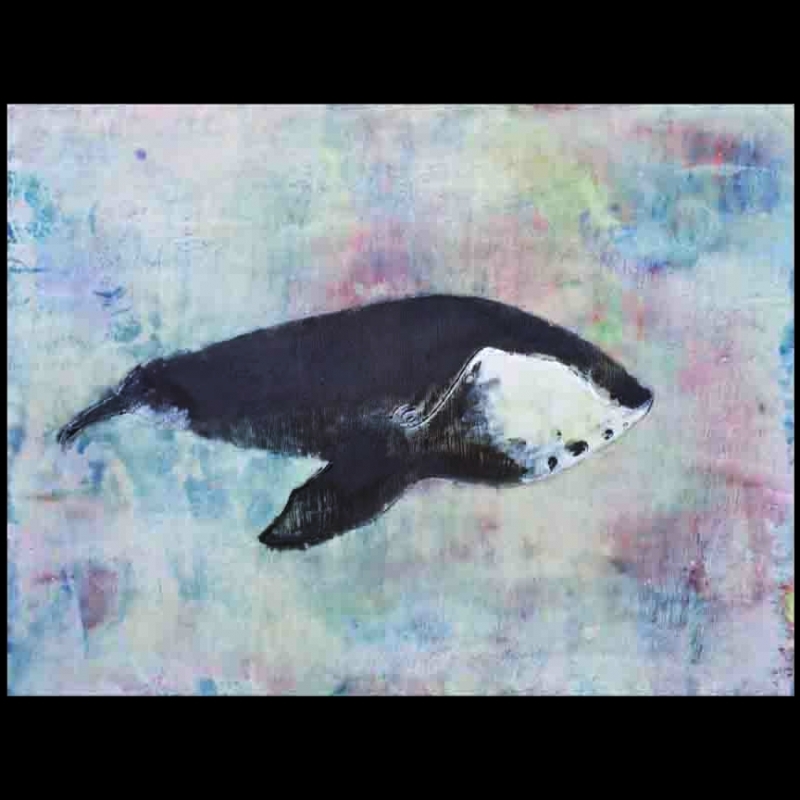
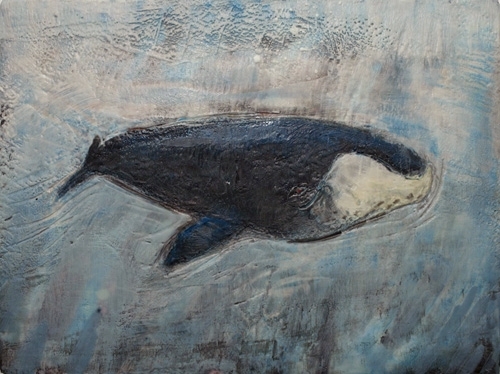
In the early 17th century when European explorers first came across Bowhead whales around Svalbard they were so thick in the bays that the ships could hardly maneuver around them. Now the eastern pod of the Bowhead whale; also known as the Right Whale, because it was the right whale to kill, is near extinction. Estimates say there may be as few as ten left. They are no longer seen anywhere near the islands of Svalbard. There is nothing unusual in this history. In fact the history of the slaughter of whales is much like the history of most western industry. It is a history of exploitation of the natural world until resources are either replaced or extinguished. Nevertheless when reading about the industry I was struck by an image of remnants of ancient whalebones that still litter the beaches of the islands where the processing of whales took place over three hundred years ago. I think one of the reasons the image was so strong for me is that it reminded me of the logs, from our logging industry, that litter our BC beaches. It triggered questions like how to depict extinction? How to visualize what isn’t there anymore? What about things from the past that seem no longer relevant but still linger like ghosts in the corners of our imaginations? These questions were the starting off point for this exhibition.

Categories
Encaustic Gallery

Encaustic Painting 2008-2014


Categories
Drawing Gallery Oil Painting Pastel

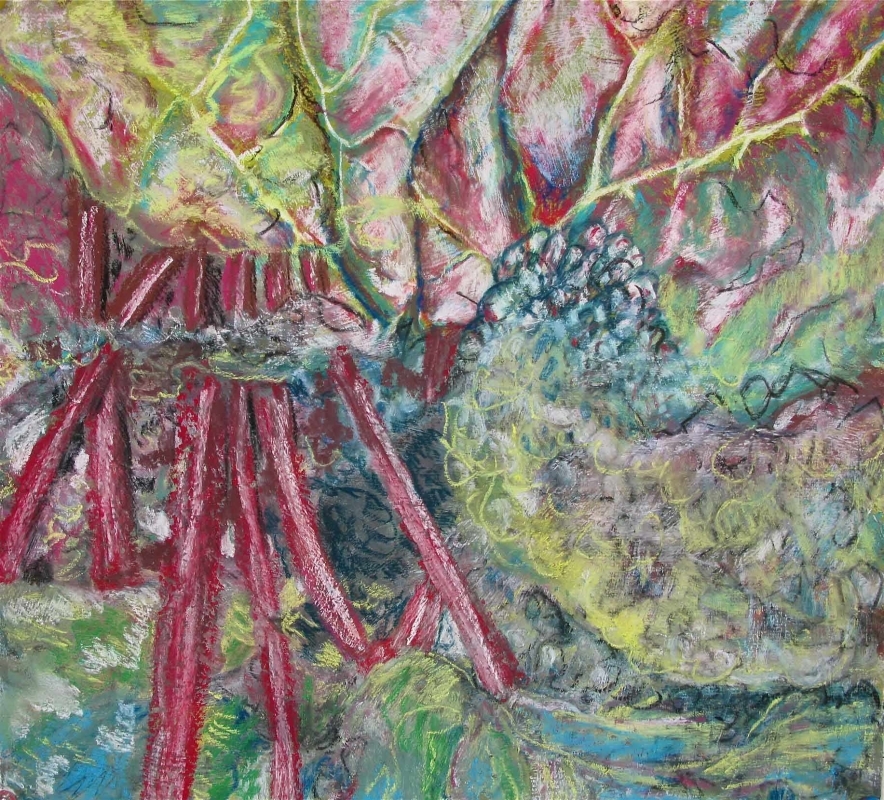
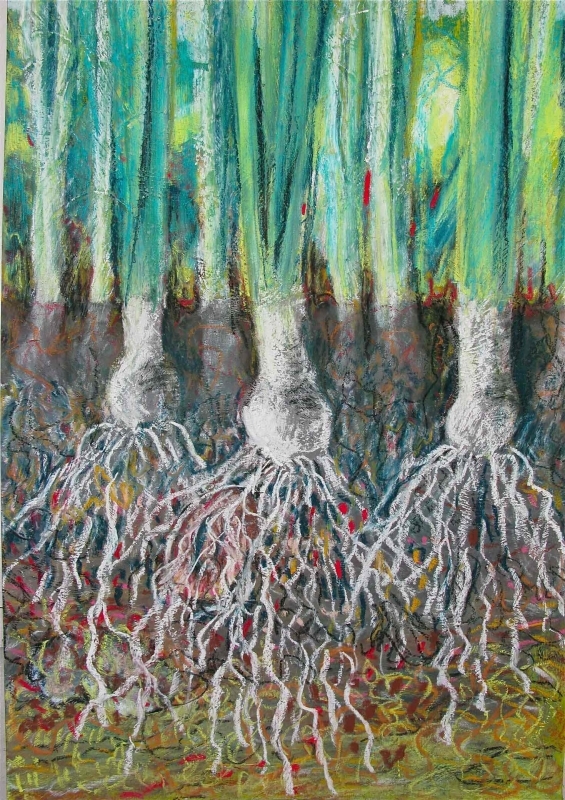
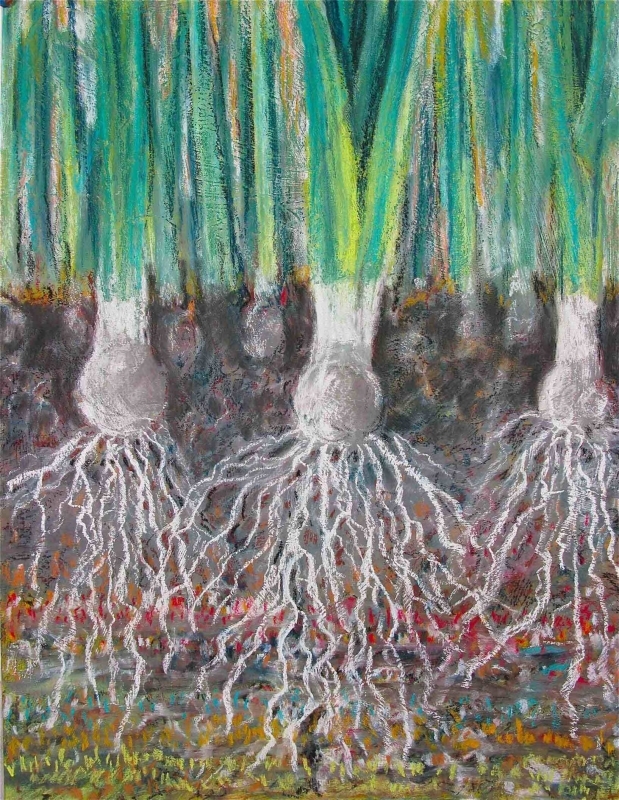
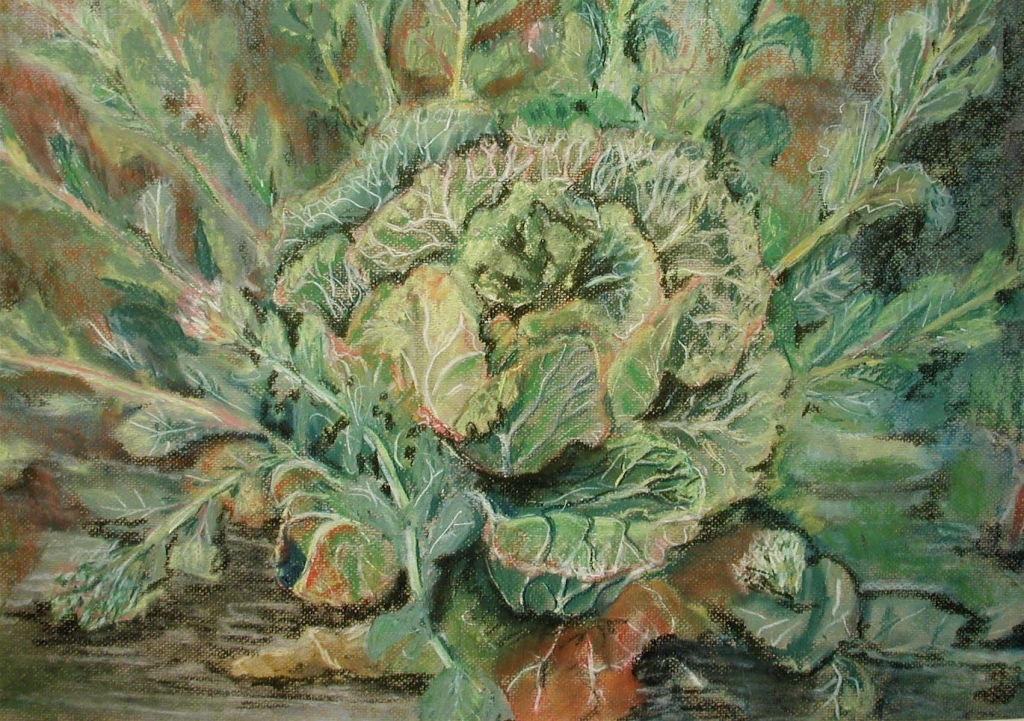
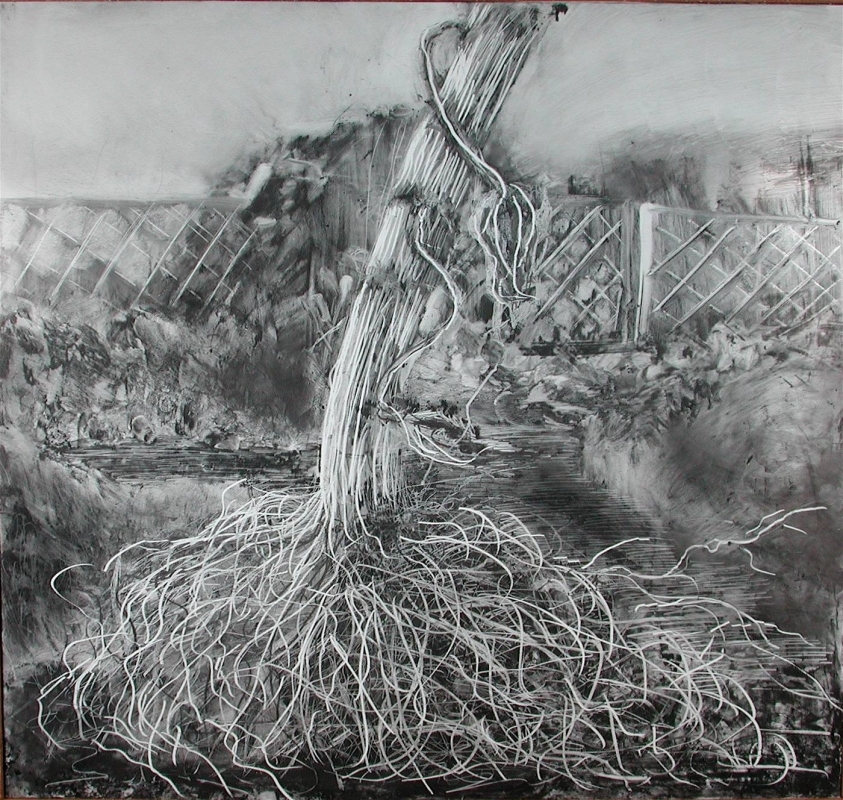
Garden and Land

Categories
Exhibitions Gallery Pastel Uncategorized

Tossed Ashore in a Spring Tide; Collective Works Gallery 2009

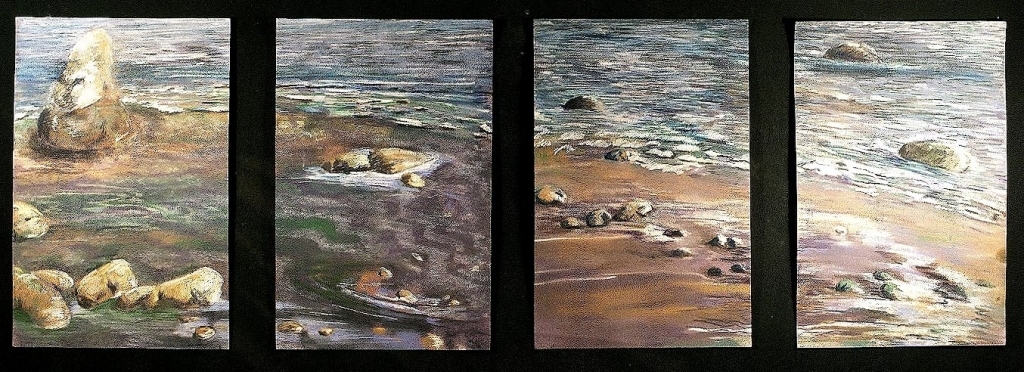
Spring is a time of re-growth in the sea as much as on the land. Strong winds and storms of early spring uproot seaweed, tossing it ashore in high tide; shiny and jewel like for a brief moment only to become decomposing matter by the end of the day. Chalk pastel is essentially a rich pigmented stick of dust. When working on these drawings I find the pastel shifts, smudges or gets blown away leaving shadows of the mark first put there. It seems an appropriate medium to capture the transitory glory of vegetative debris found along the beach.